


Peer Mentor Program
Peer mentoring connects FSL students with trained APSU students who provide encouragement, guidance, and support as they navigate college life. Peer Mentors help students build confidence, develop meaningful campus connections, strengthen self-advocacy and independence, and work toward academic, social, and personal goals.

What is Peer Mentoring?
Peer mentoring is a supportive relationship designed to help students successfully transition to college life and thrive at Austin Peay State University during the student’s freshmen and sophomore years. Through the Full Spectrum Learning (FSL) program, students are paired with trained Peer Mentors who provide guidance, encouragement, and connection throughout their college experience.
What Happens During a Mentor Meeting?
Mentor meetings take place once a week for at least 30 minutes each followed by a mandatory session report. The first meeting is used to build on rapport or catch up from the break. Other areas discussed during meetings include, but are not limited to:
|
|
Every mentoring relationship is unique. Meetings are personalized based on the student's goals, interests, and needs.
Benefits of Having a Peer Mentor
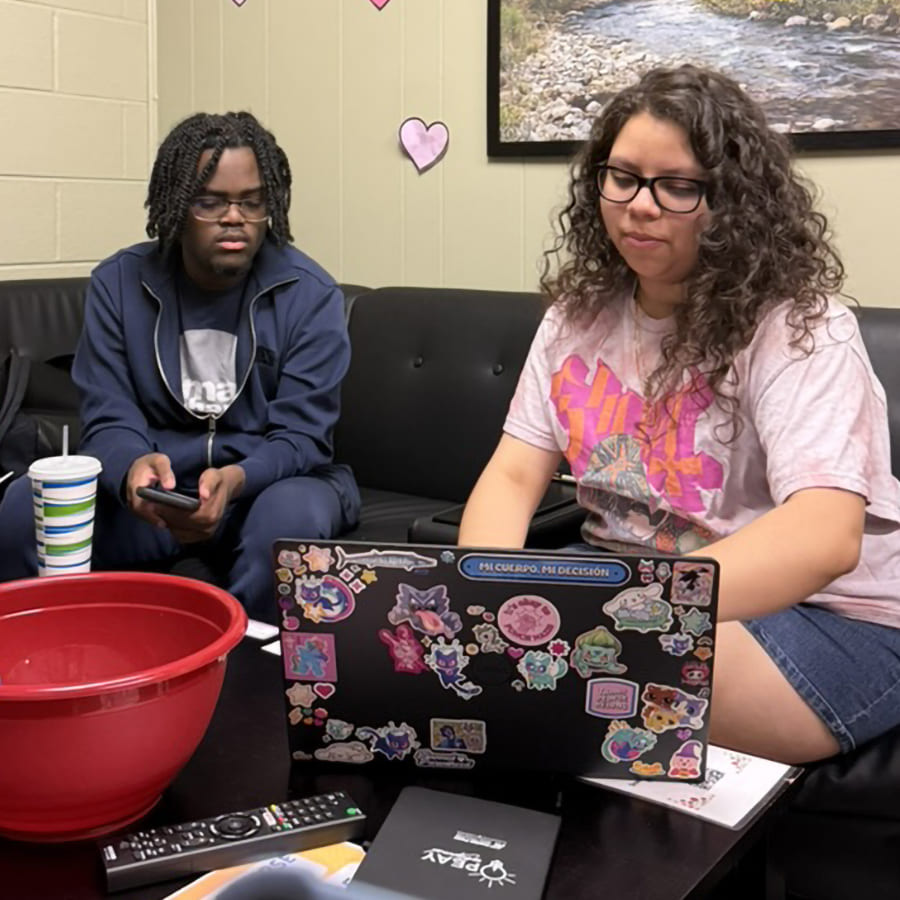
Students who participate in peer mentoring gain support, encouragement, and guidance as they navigate college life. Through regular meetings with a Peer Mentor, students can learn more about Austin Peay State University, connect with campus resources, and become more engaged in both the university and Clarksville communities.
Peer mentoring helps students build confidence, strengthen self-advocacy skills, develop effective goal-setting strategies, and increase their independence. Students also benefit from meaningful social connections, opportunities to practice interpersonal skills, and the support of a mentor who understands the college experience.
Many students report that peer mentoring helps them feel more connected, confident, and empowered while also providing opportunities to make new friends and enjoy their college experience.
Meet Our Mentors
-
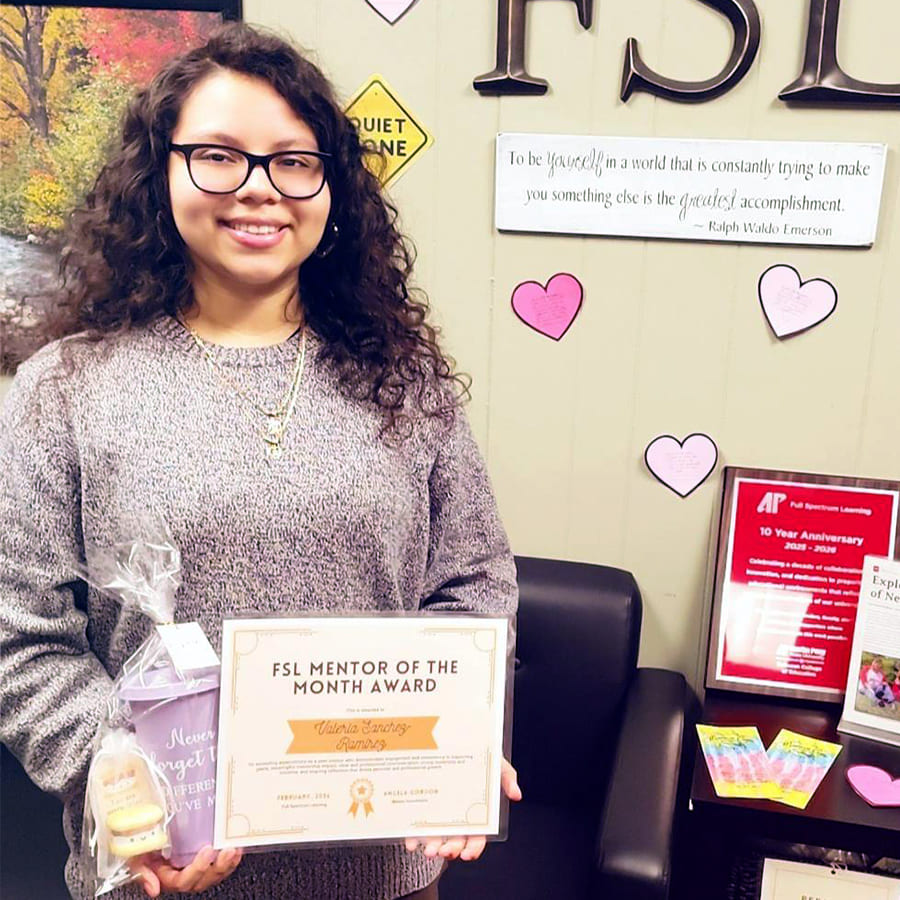
Valeria
Psychological Science
Mentoring since 2024
-
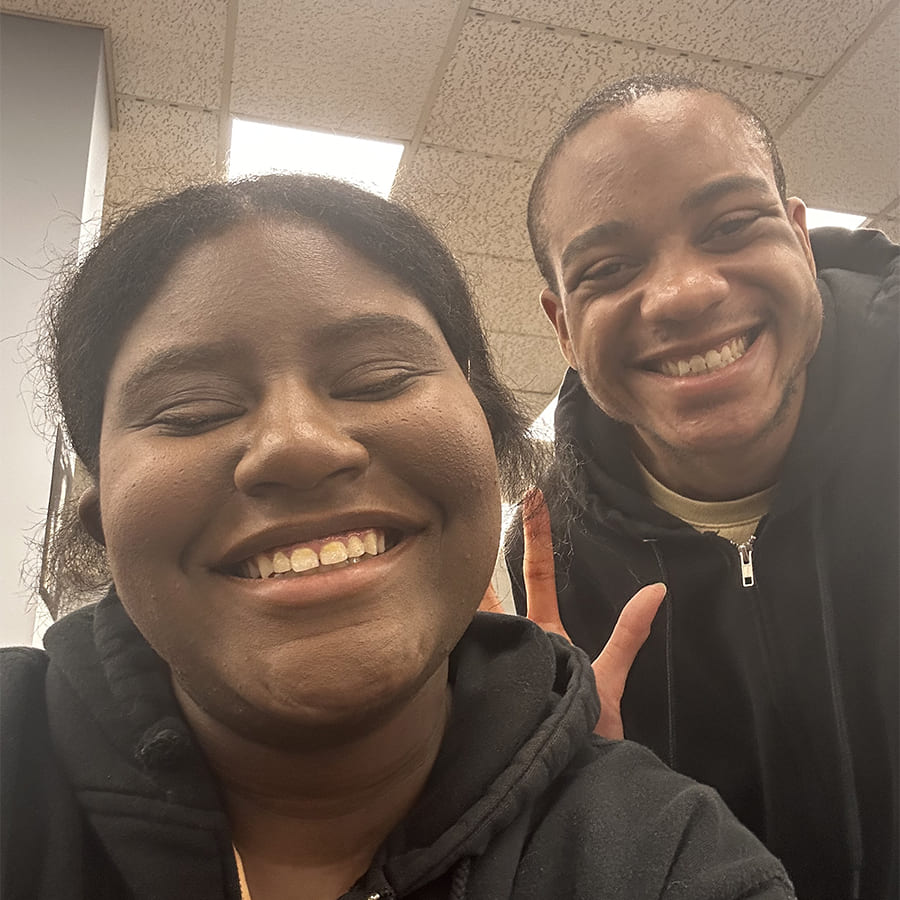
Amira
Business Finance
Mentoring since 2025
-
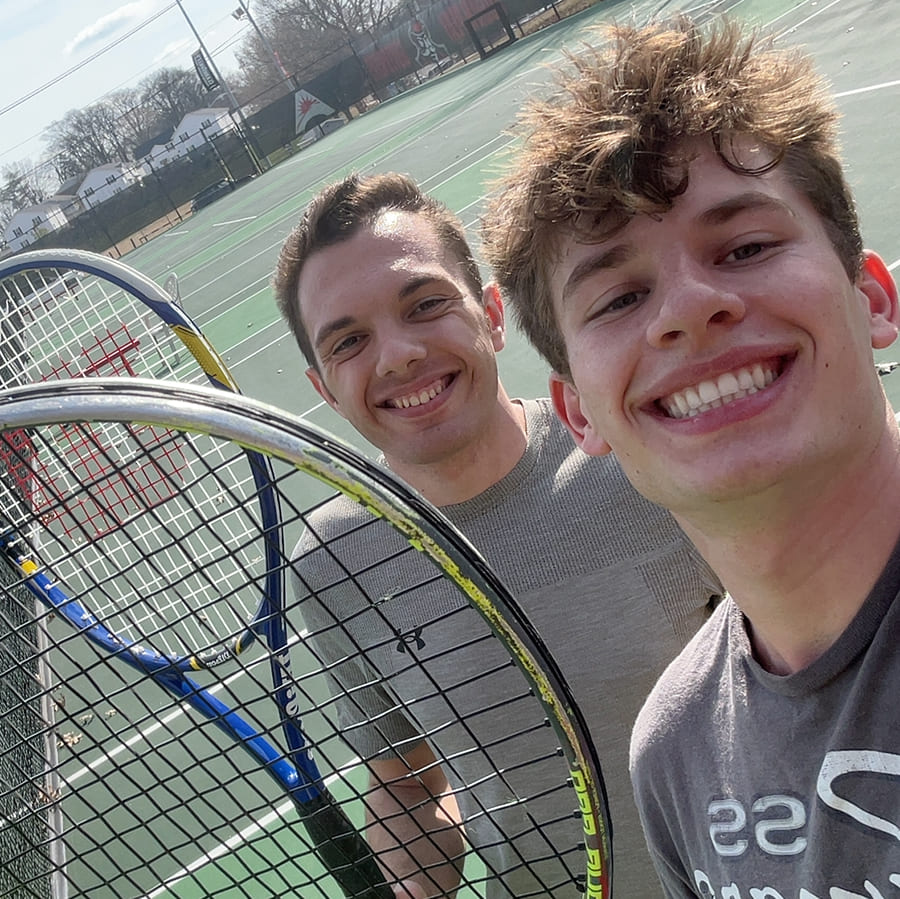
Porter
Pre-Med
Mentoring since 2025
-
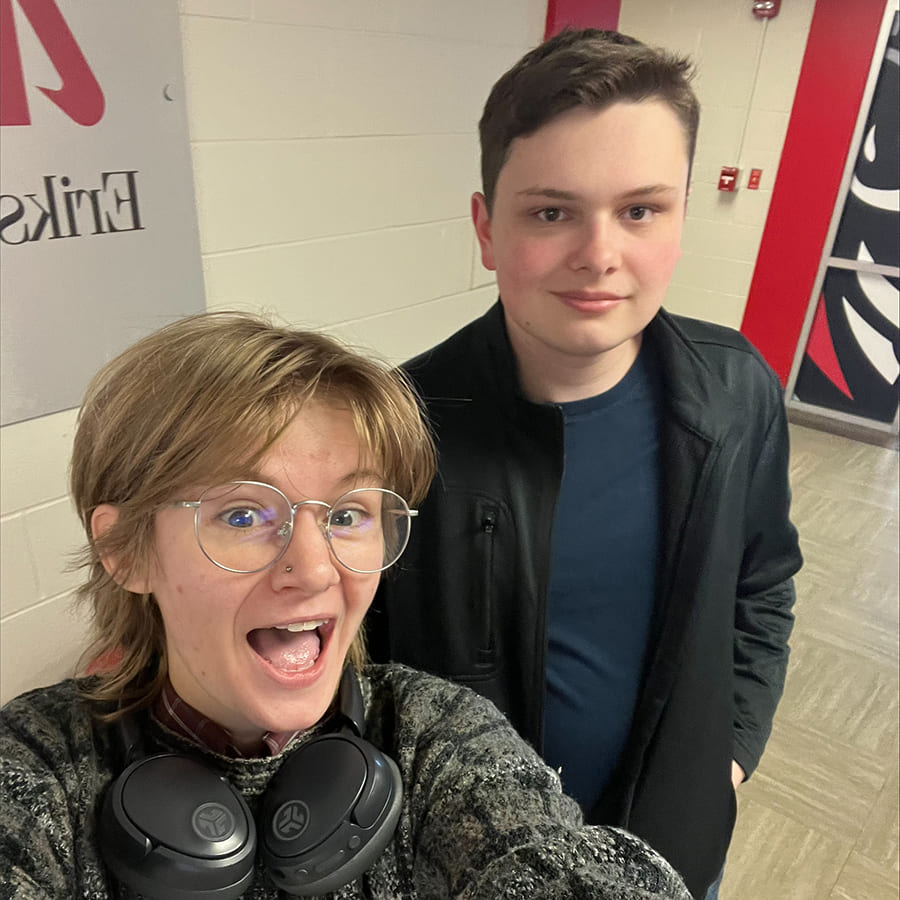
Z
Political Science
Mentoring since 2025
-
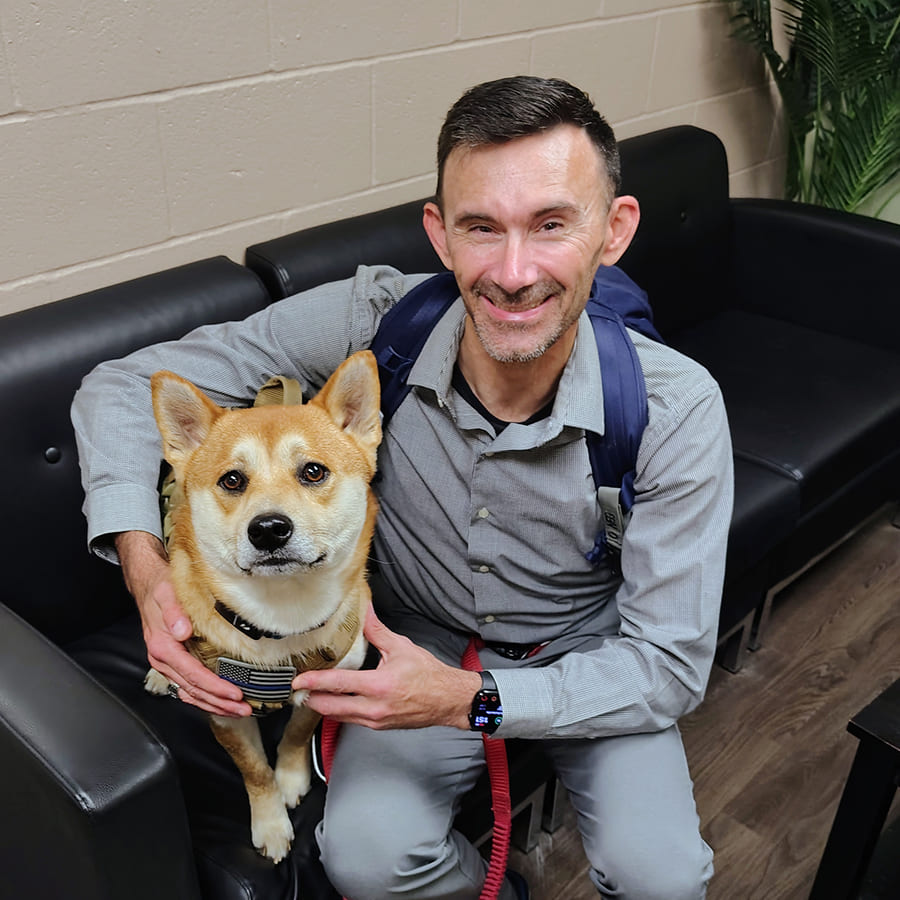
Will & Atlas
Criminal Justice
Mentoring since 2025
-
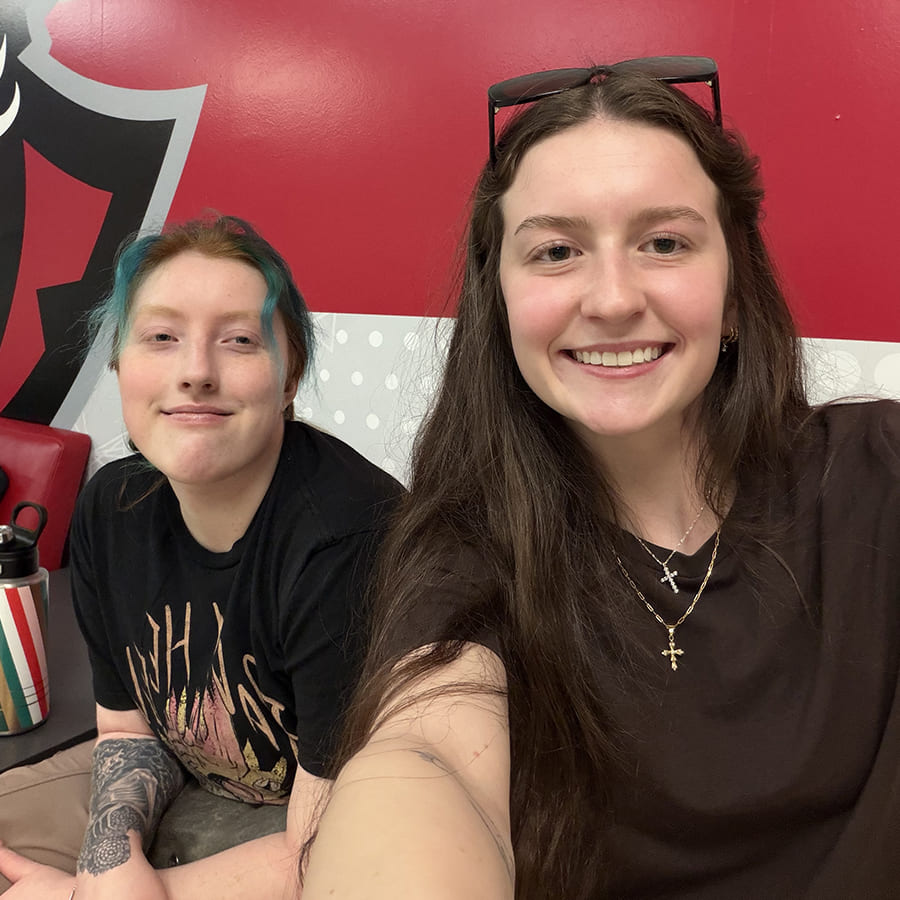
Reese
Political Science
Mentoring since 2025
-
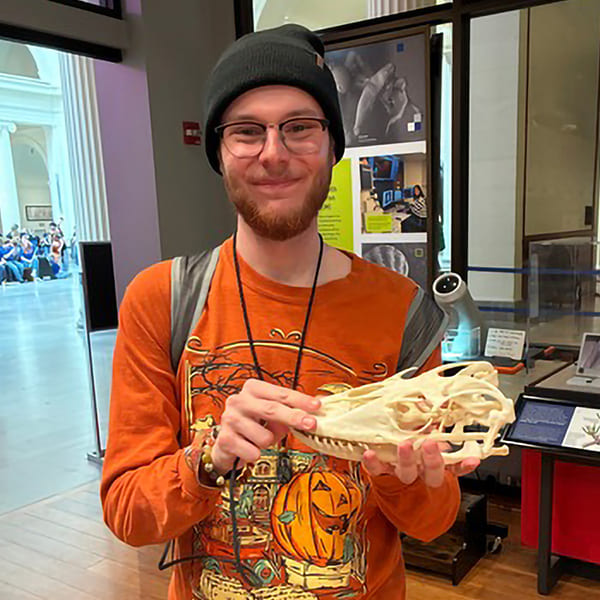
Tristan
Political Science
Mentoring since 2025
Become a Peer Mentor with FSL
Peer mentoring is more than a campus job—it is an opportunity to build transferable skills, create meaningful connections, and make a lasting impact on the college experience of fellow students.
Benefits
Serving as a Peer Mentor is a rewarding opportunity to support fellow students while developing valuable leadership and professional skills. Mentors gain experience in communication, teamwork, problem-solving, and time management while building meaningful connections across the APSU community.
As a Peer Mentor, you will:
-
Receive all necessary training, plus optional CRLA Certification
-
Receive credit for scholarship and/or volunteer hours
-
Develop leadership and interpersonal skills
-
Gain experience for your résumé, LinkedIn profile, and future career portfolios
-
Build confidence and strengthen communication and problem-solving abilities
-
Expanding connections across the APSU community
-
Make a positive impact on the success of fellow students
-
Experiencing personal growth and a sense of purpose through service to others
Requirements
|
|
Apply to Become a Peer Mentor with FSL
Advice from Past Mentors
Frequently Asked Questions
One time a week for 30 minutes per mentee (can have up to 5 mentees). Mentors are required to fill out a session report within 24 hours of each meeting.
Yes. Students can request a specific mentor; however, the request is not guaranteed to be granted. Schedules and availability do factor in. Mentors can also request specific students to mentor as well.
If mentoring pairs do not work out for any reason and all potential solutions have been exhausted, the coordinator can find a different mentor depending on availability.
The coordinator personally matches each pair based on interests, hobbies, field of study, and schedules. Sometimes contrasting schedules can make this more difficult.
Yes. Mentors are trained in confidentiality laws and follow FERPA guidelines.
Mentors can begin in their 2nd year of freshman year and can participate until graduation. They are expected and encouraged to keep the same mentee for more effective results.
Peer mentors participate voluntarily; however, they do receive credit for volunteer and/or scholarship hours. The coordinator can provide a letter of recommendation upon request.