


FSL Professional Mentor Program
Professional mentoring supports FSL students as they prepare for life after college. Students are matched with APSU faculty, staff, or community professionals who offer career-focused guidance, real-world insight, and encouragement related to their academic major and future goals. Professional Mentors help students explore career pathways, build professional skills, expand their networks, and prepare for internships, employment, or graduate school.
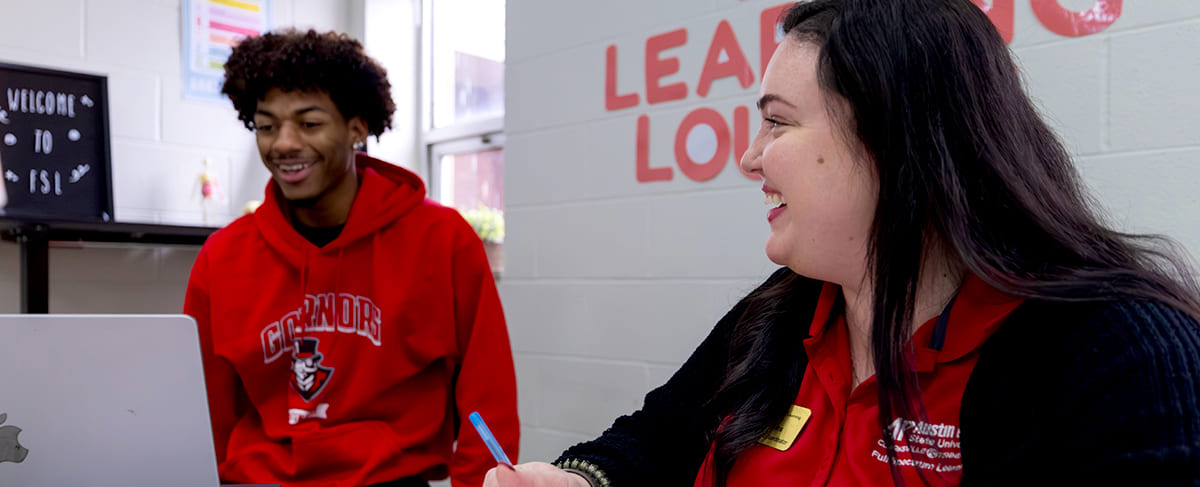
What is a Professional Mentor?
Professional Mentors are APSU faculty, staff, and community professionals who are matched with students based on their academic major, career interests, and professional goals. Professional mentoring is designed for FSL students in their junior and senior years and focuses on supporting career readiness, professional development, and the transition from college to the workforce.
Professional Mentors meet with students throughout the academic year, providing guidance, encouragement, and industry-specific insights that help students explore career pathways and prepare for future success. Through these mentoring relationships, students gain valuable connections, professional perspectives, and support as they work toward their academic and career goals.
Services Provided
Professional Mentors support FSL students as they prepare for life after college by providing guidance in career exploration, professional development, and workforce readiness. Through regular meetings, mentors help students connect their academic experiences to future career opportunities while offering encouragement, insight, and real-world perspectives.
Professional Mentors may assist students with:
|
|
All Professional Mentors receive training, resources, and ongoing support from Full Spectrum Learning to help foster meaningful mentoring relationships and promote student success.
Benefits of Having a Professional Mentor
Professional Mentors provide students with valuable guidance as they prepare for careers after graduation. Through one-on-one mentoring relationships, students gain insight into their chosen field, explore career pathways, and learn what it takes to succeed in a professional environment.
Students benefit from:
-
Career exploration and professional guidance
-
Networking opportunities with professionals in their field
-
Resume, interview, and job search support
-
Increased confidence in professional settings
-
Exposure to workplace expectations and industry trends
-
Opportunities to connect with internships, volunteer experiences, and professional organizations
-
Development of career readiness skills such as communication, leadership, teamwork, and professionalism
Professional mentoring helps students bridge the gap between college and career by providing real-world perspectives, meaningful connections, and support as they work toward their future goals.
A Professional Mentor can open doors, provide valuable insight, and help students confidently take the next step toward their future career.
Become a Professional Mentor with FSL
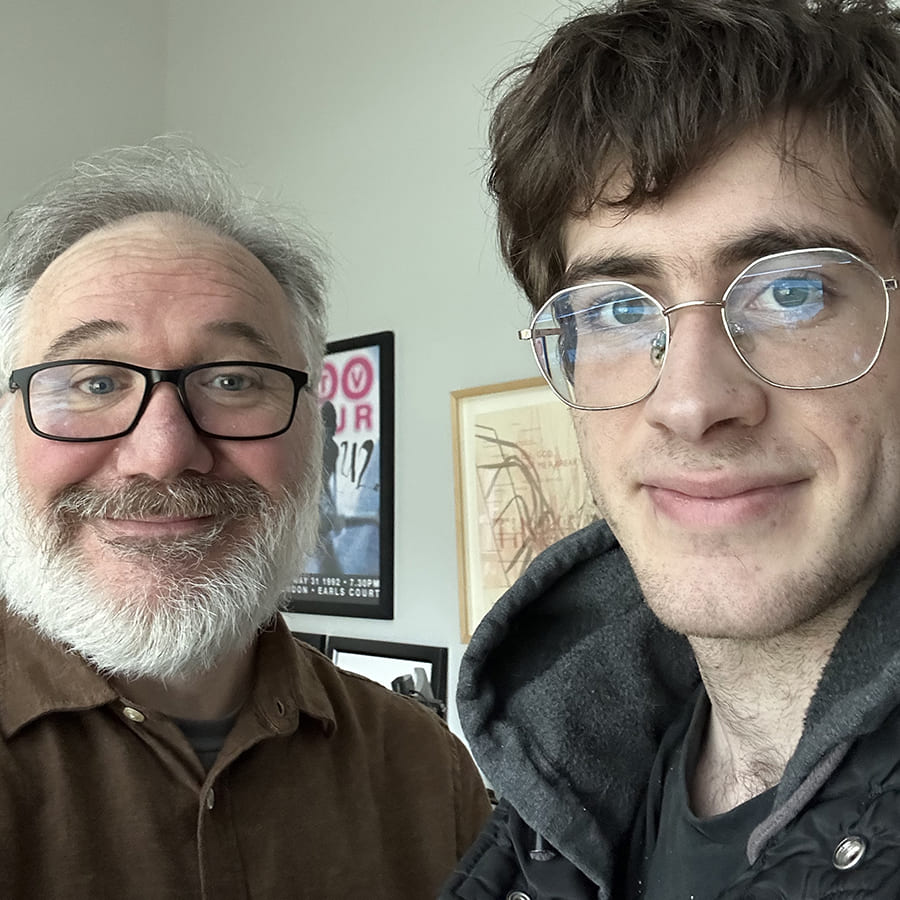
Professional Mentors play a vital role in helping FSL students prepare for life after college. By sharing your experience, professional insights, and encouragement, you can help students build confidence, explore career pathways, and develop the skills needed for future success.
Benefits
Serving as a Professional Mentor is an opportunity to make a lasting impact on a student's college and career journey. By sharing your knowledge, experience, and professional insights, you help students build confidence, develop career readiness skills, and prepare for success beyond graduation.
Professional Mentors benefit from:
-
Giving back to the next generation of professionals
-
Developing meaningful mentoring relationships
-
Expanding their leadership and coaching skills
-
Supporting student growth, independence, and career development
-
Strengthening connections between the university and the professional community
-
Contributing to a more inclusive and supportive campus environment
Many mentors find the experience personally rewarding as they witness students gain confidence, achieve goals, and take meaningful steps toward their future careers.
Professional mentoring is an opportunity to invest in student success while making a lasting difference in the life of a future professional.
QualificationsProfessional Mentors may include:
|
Commitment Expectations
|
Ready to Join?
Please contact Angela Gordon at gordona@apsu.edu or 931-221-7725.
Frequently Asked Questions
Professional mentors meet with their mentee at least 2 times a month, or every other week, for a total of 7 meetings per semester for 30 minutes each. Mentors are required to turn in a session report within 24 hours of each meeting.
Students are paired with a mentor within their field of study. Students submit 3 names to the coordinator of whom they would like to be their mentor and are encouraged to reach out first.
Professional mentors stay with their mentee until graduation, or at least one academic year.
If a student changes their major after being paired, the coordinator can change their mentor to someone in their field that can better assist. However, they can stay if the mentor can still effectively assist in the student’s new field.
Yes. Mentors are trained in confidentiality laws and follow FERPA guidelines.
Sometimes things happen that prevent a mentor from continuing, such as promotions or job changes. When this happens, the mentor is required to provide at least 3 names of suggested mentors, and the coordinator will re-pair.
No. Professional Mentors must follow confidentiality and FERPA guidelines.