


APSU and Fort Campbell partner for wetlands research on post

CLARKSVILLE, Tenn. – Austin Peay State University and the Fort Campbell Army installation deepened their growing relationship on Nov. 6 when the two organizations initiated an Intergovernmental Support Agreement, allowing APSU faculty and students to identify wetland ecosystems within the 105,000-acre Army post. During a special ceremony on post, APSU President Alisa White and Col. Jeremy Bell, Fort Campbell garrison commander, signed the historic agreement.
“Thank you for investing some resources from Fort Campbell to Austin Peay State University, and that primary resource is access,” White said. “Wetlands are important. They’re important to the nation, and this is a project we believe in.”
The U.S. government maintains a “no net loss” policy regarding the nation’s wetlands, and more than 1.4 million acres of wetlands are located inside U.S. Army installations. According to the U.S. Army Environmental Command, “Each year the Army executes projects (mostly construction) that could potentially impact the nation’s rivers, streams, wetlands and other aquatic resources. Compensatory mitigation is necessary to replace aquatic resources lost to authorized and unavoidable impacts to ensure ‘no net loss’ of the nation’s wetlands.”
The Department of Defense has tasked its military installations with identifying the wetlands within a post’s boundaries. Federal regulations previously limited this type of work to a few specific contractors, which often cost the military more money rather than using a local resource. Through this new partnership, Fort Campbell expects to save about $187,000 over a three-year period while also taking advantage of the expertise provided by APSU’s College of Science, Technology, Engineering and Mathematics (STEM).
“What I truly value is the partnership,” Bell said. “To me that’s more important than anything else that we do. Finding those areas where we can cooperate, where we can increase partnerships, is always important to Fort Campbell because we have such a strong connection to our community. That absolutely applies to Austin Peay.”

For Austin Peay, the agreement gives the College of STEM access to a formerly restricted area where faculty and students can perform important field research. Austin Peay’s Global Information Systems (GIS) office will oversee the project, with biology and Center of Excellence for Field Biology students conducting most of the work. Dr. Tiffany Carter, assistant professor of agriculture, will also provide soil expertise for the wetland delineation project.
“What’s really critical is this offers our students the opportunity to get real on-the-job experience because they’ll be on the ground, practicing wetland delineation as professionals,” Dr. Steve Hamilton, director of APSU’s Center of Excellence for Field Biology, said. “They will be on the ground, determining where wetlands are, for the protection of that environment and for safe military training. The students will learn valuable and employable skills.”
The Army post’s leadership is working with APSU’s College of STEM to identify other areas where the two entities can work together. Hamilton said he expects to see more Intergovernmental Support Agreements between the two organizations in the coming months.
News Feed
View All News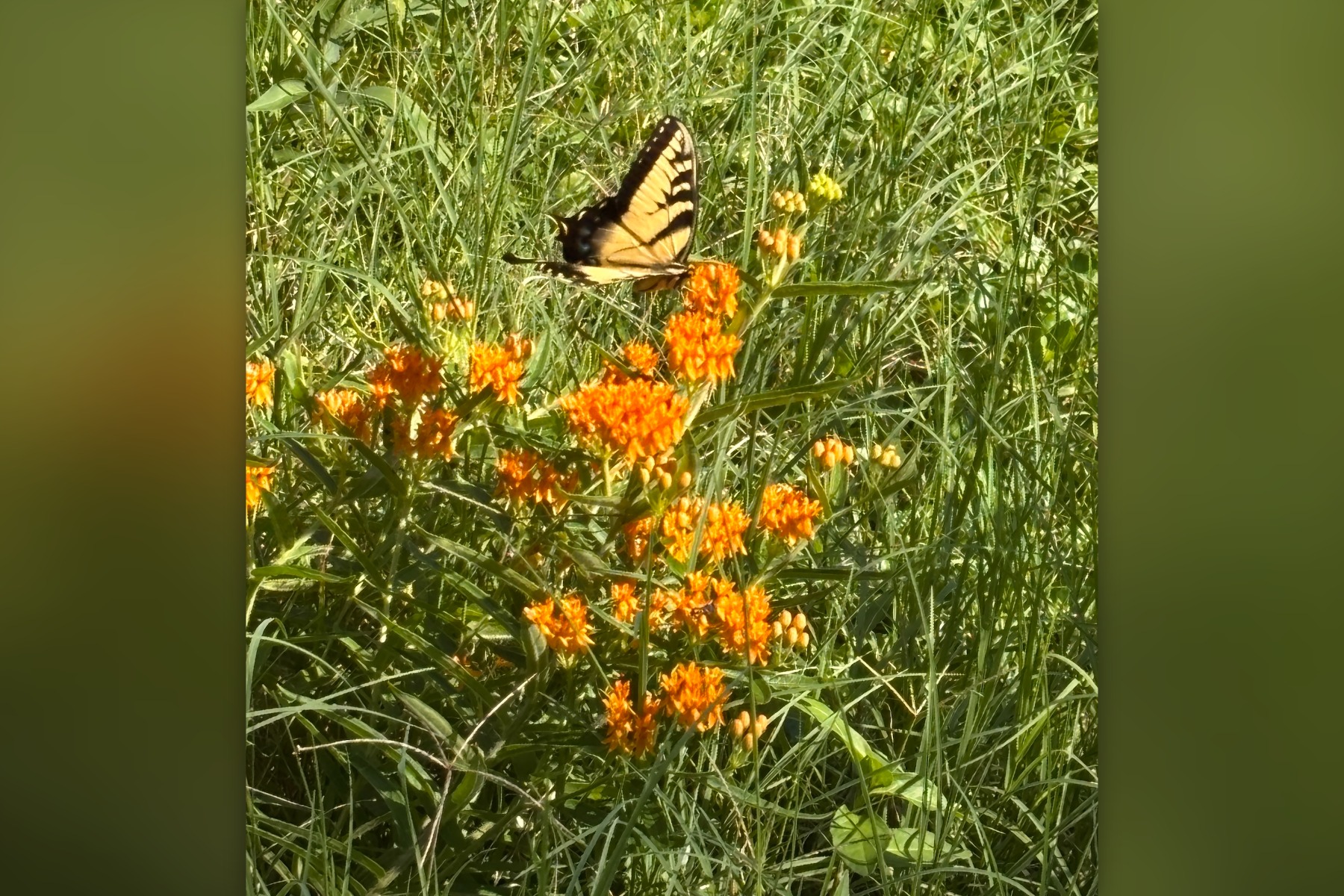
Austin Peay State University's College of STEM will host Science on Tap at 5:30 p.m. on Tuesday, Oct. 6, at Strawberry Alley Ale Works, where biology professor Dr. Mollie Cashner will explore the caterpillars, pollinators, and backyard predators hiding in everyday gardens.
Read More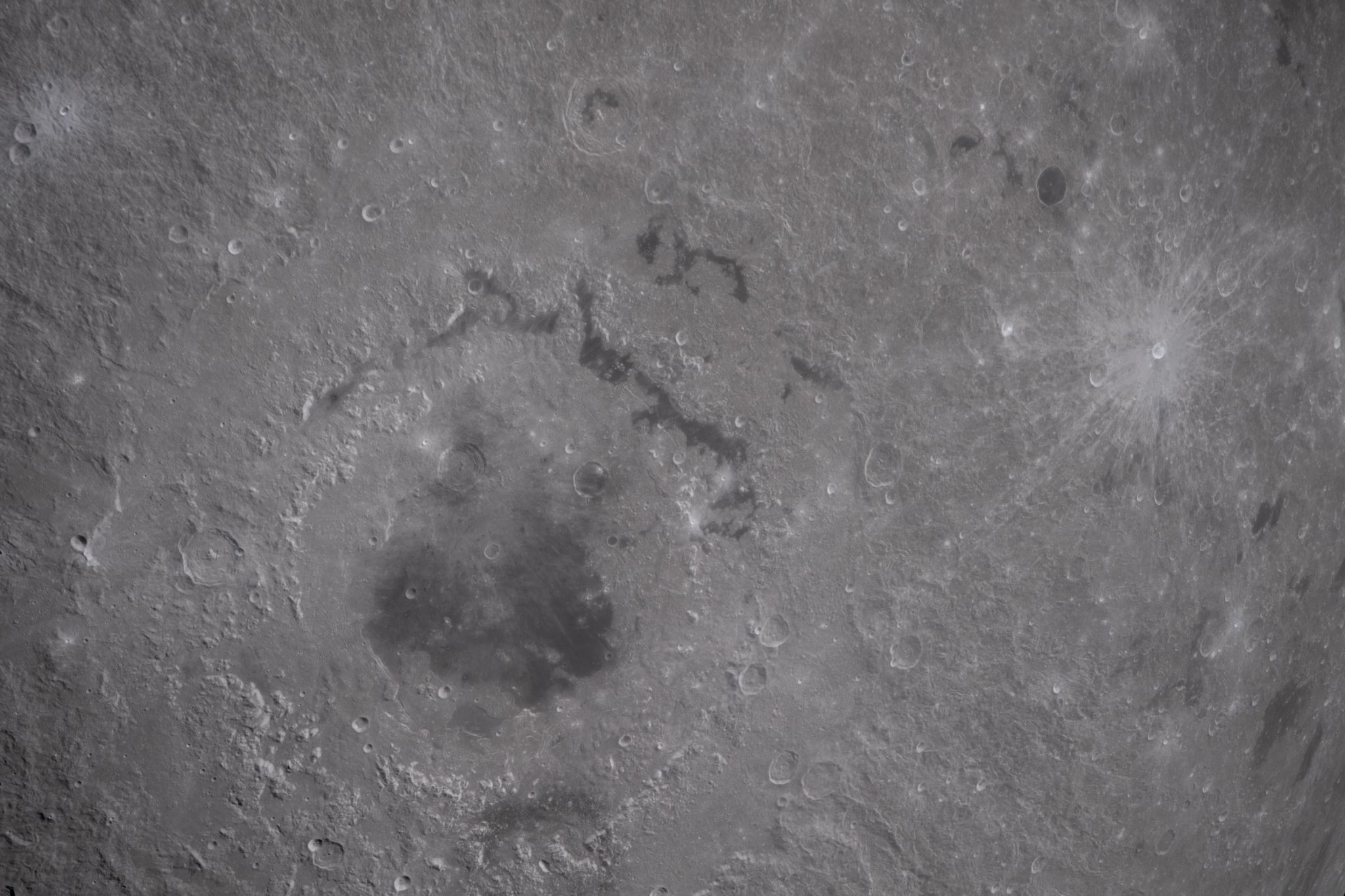
Austin Peay's Science on Tap kicks off its fall season on Sept. 1 at Strawberry Alley Ale Works. Dr. Amanda Stadermann will present "Moon Joy," exploring lunar exploration, NASA's Artemis program, and what moon rocks reveal about Earth's history.
Read More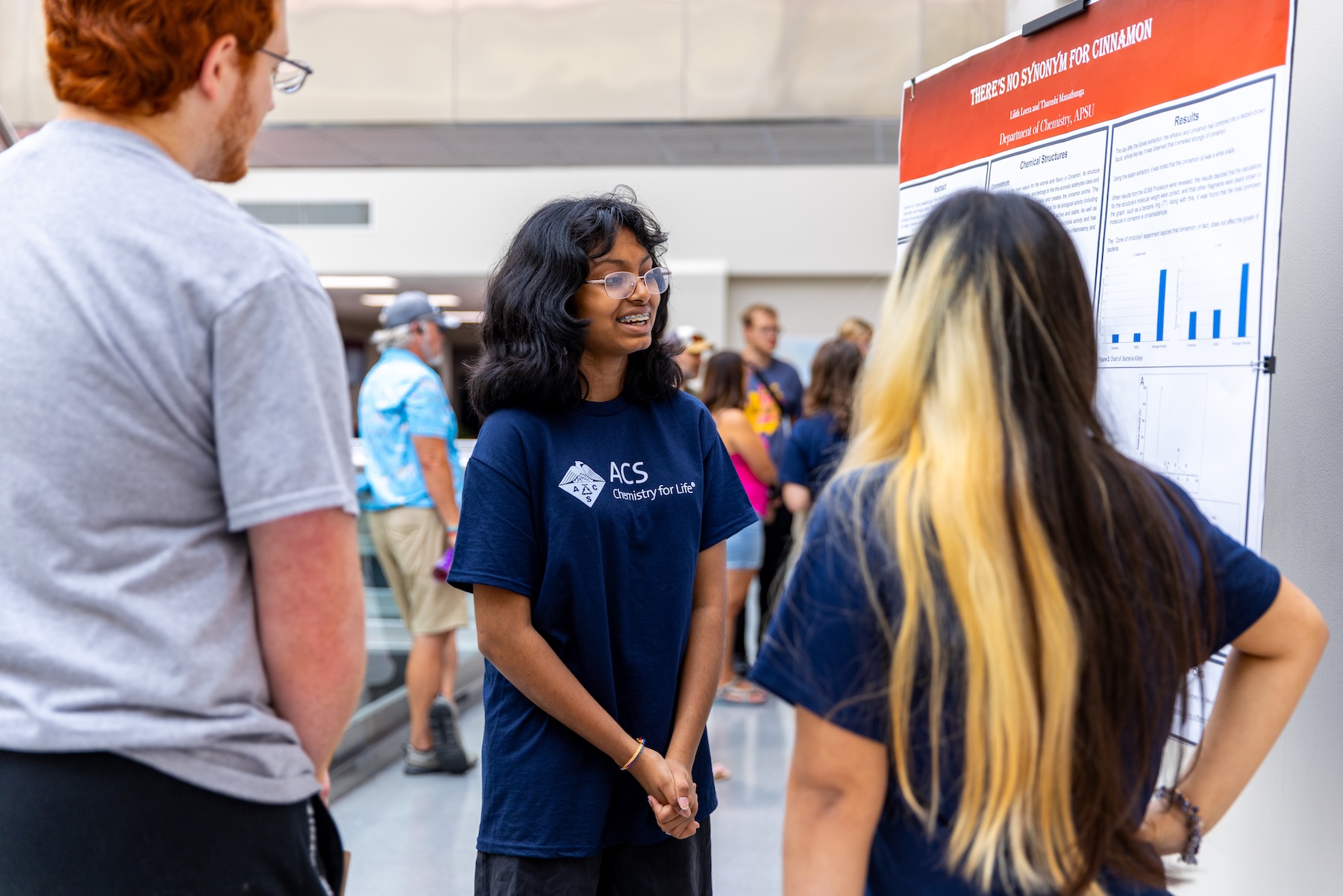
Austin Peay State University's Department of Chemistry hosted its first research-focused camp for middle and high school students from July 27-31, giving eighth through 12th graders hands-on experience extracting natural compounds and exploring their potential medicinal properties in a university lab.
Read More