


Austin Peay’s SGI picks up record $10M to restore Tennessee grasslands
By: Colby Wilson February 23, 2026
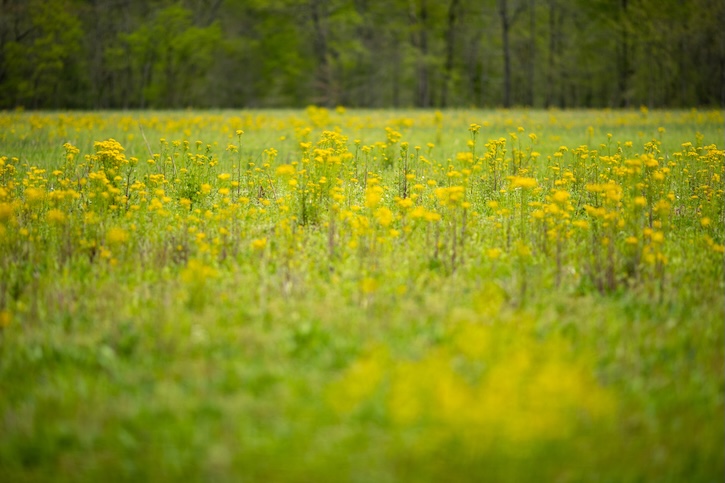
Southeastern grasslands like the ones found in Tennessee are among the world's most biodiverse ecosystems, and SGI is dedicated to restoring these habitats while preserving the flora and fauna that depend on them. | Photo by Sean McCully
CLARKSVILLE, Tenn. — The Southeastern Grasslands Institute (SGI) at Austin Peay State University (APSU) has received a significant grant from the National Fish and Wildlife Foundation’s (NFWF) America’s Ecosystem Restoration Initiative (AERI), which, when combined with matching contributions from benefactors, will bring the project total to $10 million.
The funding will be used to identify, restore, and reconstruct approximately 2,500 acres of grasslands in Central Tennessee over the next four years, signifying a landmark achievement for SGI.
“Through this [grant], we can put people to work, build a conservation workforce, and keep these grassland sites from disappearing,” said Dr. Dwayne Estes, executive director and co-founder of SGI. “But the real impact is what it does for communities: grassland anchors become places people can gather, learn, and reconnect with where they live, while also supporting human health, education, and tourism. In some counties, the remaining small grasslands are the last of their kind, and it’s imperative we find and protect them now.”
SGI previously received a $495,000 grant from the NFWF in 2023, which was used to fund a comprehensive status assessment and conservation plan for the open ecosystems of the Cumberland Plateau. The latest grant through the NFWF will allow SGI to conduct operations and efforts on an expanded scale.
The scope of work includes:
-
Establishment of six grassland anchor sites across four Middle Tennessee counties, totaling 1,500 acres, and identification of smaller grassland fragments ripe for restoration across all Middle Tennessee counties.
-
Employment of 13 individuals over the next four years, all from SGI’s Clarksville headquarters, including a director of community engagement and a chief of ecological restoration, seasonal restoration technicians, and additional full-time restoration practitioners to the grassland restoration team.
-
Establishment of a partnership with Belmont University to fund two restoration technicians annually to assist with restoring Lytle Bend Park in Nashville.
-
Launch of the Dickson and Hickman County Grasslands Fellowship Program to work across private and public lands in these counties.
-
Purchase of new equipment and vehicles to supplement ecological restoration equipment needs.
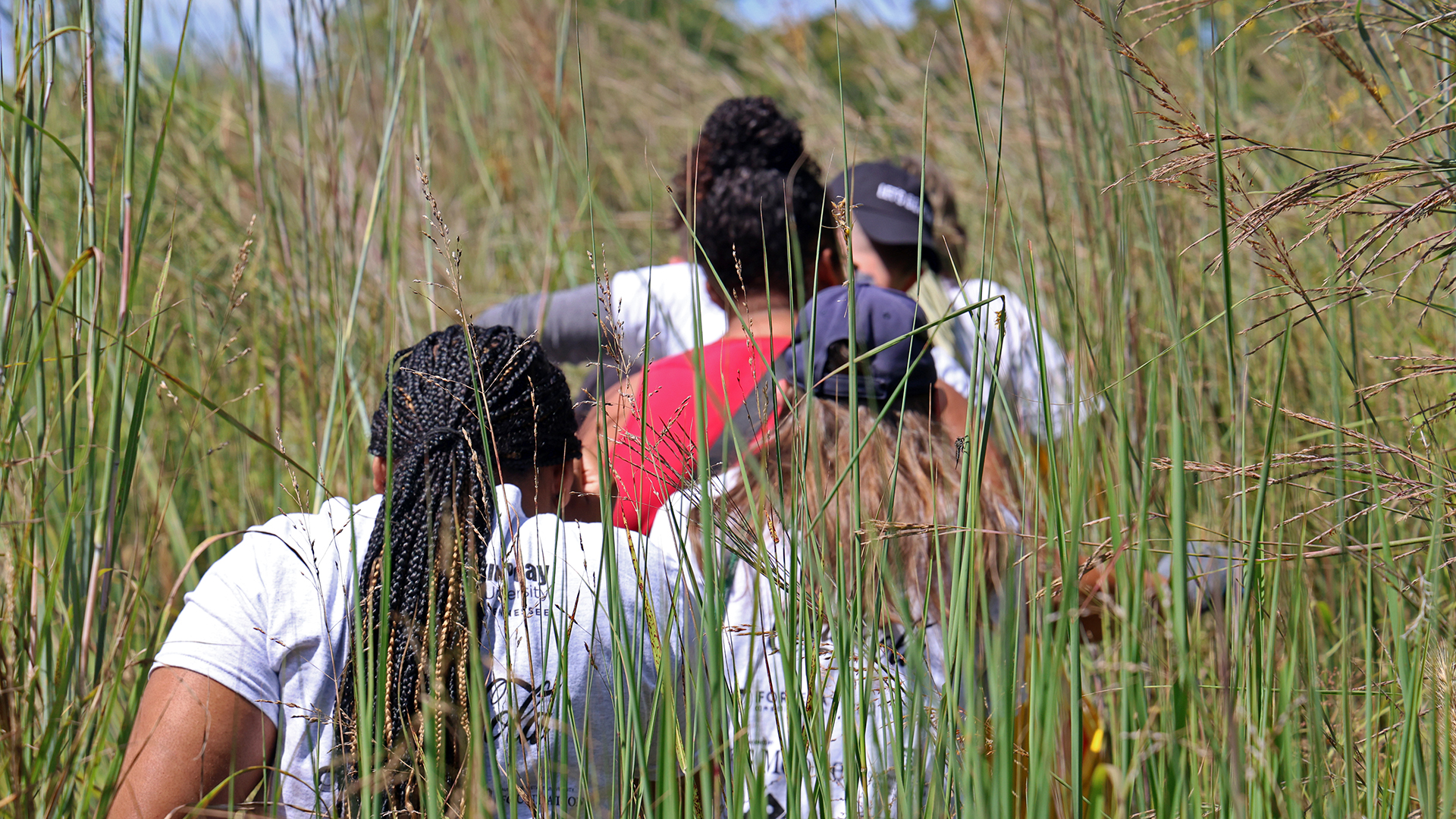
Austin Peay State University’s Southeastern Grasslands Institute also provides volunteer opportunities for community members and allows students to gain practical experience with lab and field work. | Photo by Colby Wilson
By combining multiple federal and private funding sources into a single competitive grant program, America’s Ecosystem Restoration Initiative simplifies the application process. This enables larger, more impactful multijurisdictional projects while making it easier for states, tribal nations, U.S. territories, non-governmental organizations, academic institutions, and others to access a variety of funds with one application.
“Jeremy French, in his role as [SGI’s] chief of ecological restoration, led the writing and development of this grant, drawing upon six years of relationships and partnerships he has built in the region,” Estes said. “Layla Dunlap (chief of staff), Theo Witsell (chief conservation officer and co-founder), and Chip Morgan (GIS analyst) played key supporting roles, helping to bring Jeremy’s vision for this project to life.”
The America’s Ecosystem Restoration Initiative is funded with significant financial contributions from the U.S. Department of the Interior through the Fish and Wildlife Service, the U.S. Department of Agriculture through the Natural Resources Conservation Service and the Forest Service, the U.S. Department of Defense, Native Americans in Philanthropy, and other private donors.
The SGI team assembled several benefactors to supplement the grant, with matching funds and/or letters of support coming from 23 partners: BAND Foundation, Google, Tennessee Department of Environment & Conservation, Tennessee Wildlife Federation, Wessyngton Company LLC, Sen. Bill & Tracy Frist, Roundstone Native Seed Company, Nashville Metro Parks & Recreation, The Nature Conservancy of Tennessee, Bask Retreat Center, Best Hope Farm, Belmont University, Central Hardwoods Joint Venture, Fort Campbell, Betsy & Thomas Morgan, the Native American Indian Association of Tennessee, Quail Forever, Friends of Shelby Bottom Park, Tennessee Wildlife Resources Agency, U.S. Dept. of Interior Fish & Wildlife Service, USDA Natural Resources Conservation Service, the Land Trust for Tennessee, and Anne Walker King.
For more information about the Southeastern Grasslands Institute, visit https://www.segrasslands.org.
About the Austin Peay College of STEM
The College of Science, Technology, Engineering & Mathematics (STEM) provides studies for students in the areas of agriculture, astronomy, aviation sciences, biology, chemistry, computer science, earth and environmental sciences, engineering physics, engineering technology, information technology, mathematics, medical laboratory sciences, radiologic sciences and physics. Our outstanding, discipline-based programs are student-centered and designed to prepare students for responsible positions at all levels of research, industry, education, medicine and government positions.