


APSU to launch free monthly public observation nights at university’s observatory

Starting this Saturday, Jan. 28, Austin Peay State University’s Department of Physics, Engineering and Astronomy will host a free public observation night on the last Saturday of every month through May.
This Saturday’s event will be at 7 p.m. at the university’s observatory, housed at APSU’s Farm and Environmental Education Center, 1991 Pickens Road.
Each event will feature the university’s 20-inch Ritchey-Chretien telescope, which has the same optical design as NASA’s Hubble Telescope. Professors and students also will be eager to help visitors scan and learn about the night sky.
If clouds move in during any of the events, professors will lead indoor educational activities.
Anyone who wants to attend the Saturday, Jan. 28, event must sign up at the event registration page. The event will be limited to 40 attendees. Everyone should dress warmly because temperatures on Saturday night could drop into the 40s.
Future public observation nights will be on:
- Saturday, Feb. 25.
- Saturday, March 25.
- Saturday, April 29.
- Saturday, May 27.
News Feed
View All News
The move positions APSU at the forefront of safety management in aviation education and sets a new precedent for how flight training programs approach safety culture, risk management, and operational oversight.
Read More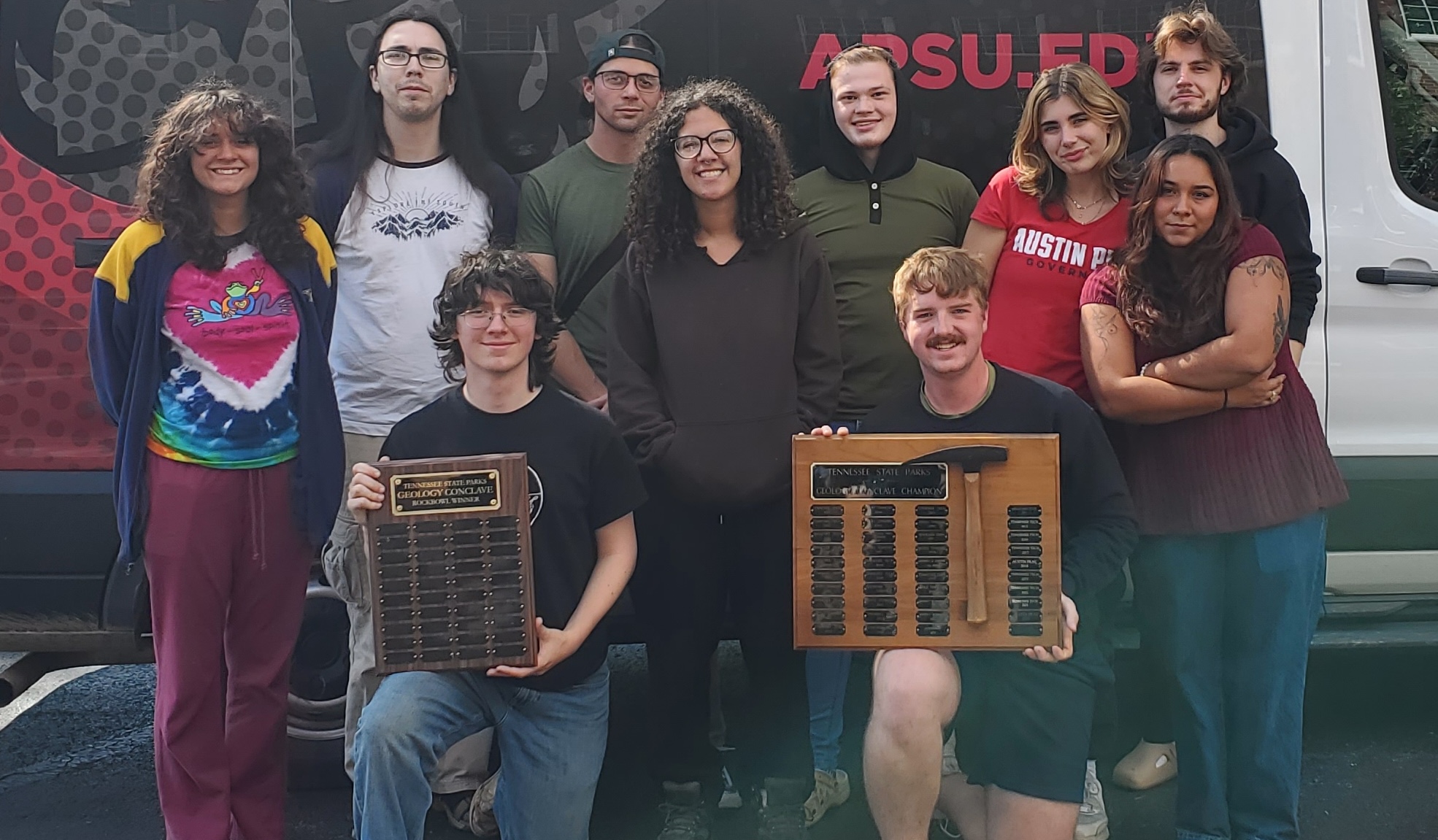
Ten students from APSU's Department of Earth and Environmental Sciences traveled to Big Ridge State Park in late September to compete against teams from Middle Tennessee State University, Tennessee Tech, the University of Tennessee at Knoxville, and the University of Tennessee at Martin. They returned with both trophies for the second straight year.
Read More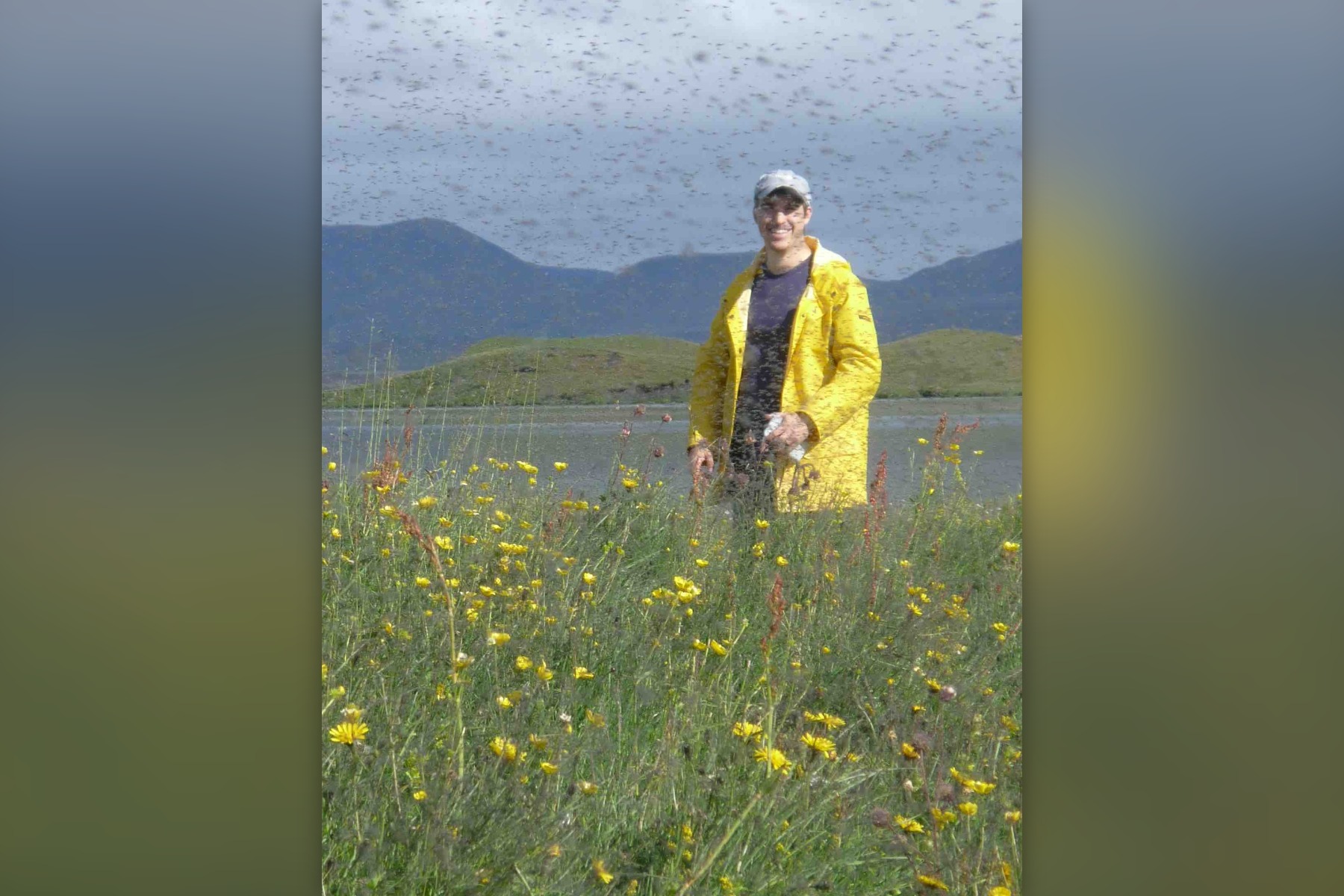
Dr. Jamie Botsch, assistant professor in the Department of Biology, will present on Lake Mývatn (which translates to midge lake) in northern Iceland, where tiny midges have a surprising effect on both the water and the land.
Read More