


APSU, Vol State and Robertson County Schools partner on innovative three-year residency and degree program

SPRINGFIELD, Tenn. – Over the last 50 years, the U.S. has suffered from a growing teacher shortage, with fewer and fewer college students majoring in education. This shortage has hurt schools across the country, but small, rural school districts are often the hardest hit by this educational crisis. In Tennessee, communities such as Robertson County need more teachers, and they need them now.
“Robertson County is a fine school district, but they struggle – our rural counties really struggle – to attract teachers because of the lure of going to larger districts,” Dr. Lisa Barron, director of teacher education and partnerships at Austin Peay State University, said. “These rural districts have found if they can get people already committed to or with ties to the district, if they grew up in the district, they’re less likely to go somewhere else. They want to grow their own.”
That concept of a rural district “growing” its own teachers is at the heart of an innovative new partnership between Austin Peay’s Eriksson College of Education, the Robertson County Schools System and Volunteer State Community College. This fall, the three organizations launched the Grow Your Own Rural Teachers Residency Program, which is providing recent high school graduates in Robertson County with an accelerated, free path to become full-time Robertson County school teachers in just three years.
“During the day, the candidates will be working in classrooms as teacher’s assistants,” Dr. Benita Bruster, APSU professor of education, said. “It’s a residency model, so they’ll learn their licensure through embedded student teaching. Every day they’ll go to work and shadow classroom teachers. They’ll be placed with some of the highest performing teachers in the county.”
These individuals will earn a full salary with benefits from their jobs. In the evenings, the students will then head to the Highland Crest Campus – a 25,000-square-foot educational facility in Springfield, Tennessee, where they will initially take classes through Volunteer State.
“At Highland Crest, they will participate in classes specifically designed for them,” Barron said. “They will complete their Associate of Science in Teaching degree in two years from Vol State. All those hours will transfer to Austin Peay, and then our faculty will go to Highland Crest. It wouldn’t make sense for them to work all day in Robertson County and then come to Clarksville, so we’ll go to them.”
After a year of classes, the students will graduate from Austin Peay with a Bachelor of Science in Education with a K-5 license. They can also add on a special education endorsement, making them more marketable. And the entire program is free, with APSU, Vol State and Robertson County Schools covering tuition and textbooks.
Last year, Austin Peay launched the state’s first “Grow Your Own” program, when it partnered with the Clarksville-Montgomery County School System on the Early Learning Tennessee Residency Program. That program provided 40 candidates with an accelerated, free path to become full-time CMCSS teachers in just three years.
The new Grow Your Own Rural Teachers Residency Program began this fall during one of the most challenging times in public education with the COVID-19 pandemic causing administrators and teachers to re-think education delivery. These new challenges, however, didn’t stop this important program from moving forward.
“The pandemic did change our strategy somewhat, but the cohort is moving along successfully,” Dr. Anne-Marie McKee, director of Vol State Springfield, said. “Vol State provides laptops and hot spots to participants so they have access to all their classes. In addition to classes, the program is designed so students get together once a week via Zoom to discuss successes and challenges, and provide support to one another. It is rewarding to be a part of an innovated program and I am grateful to Vol State, the Robertson County School System and APSU for the forward thinking to meet the future educational needs of Robertson County.”
When the program’s students graduate in three years, they will be offered jobs in Robertson County.
“I’m very excited to see this innovative partnership begin, and I look forward to Vol State’s continued participation to support the educational needs of Robertson County,” Dr. Jennifer Brezina, vice president for Academic Affairs at Vol State, said.
Austin Peay’s Eriksson College of Education is currently working with four other rural school districts to develop similar Grow Your Own programs.
News Feed
View All News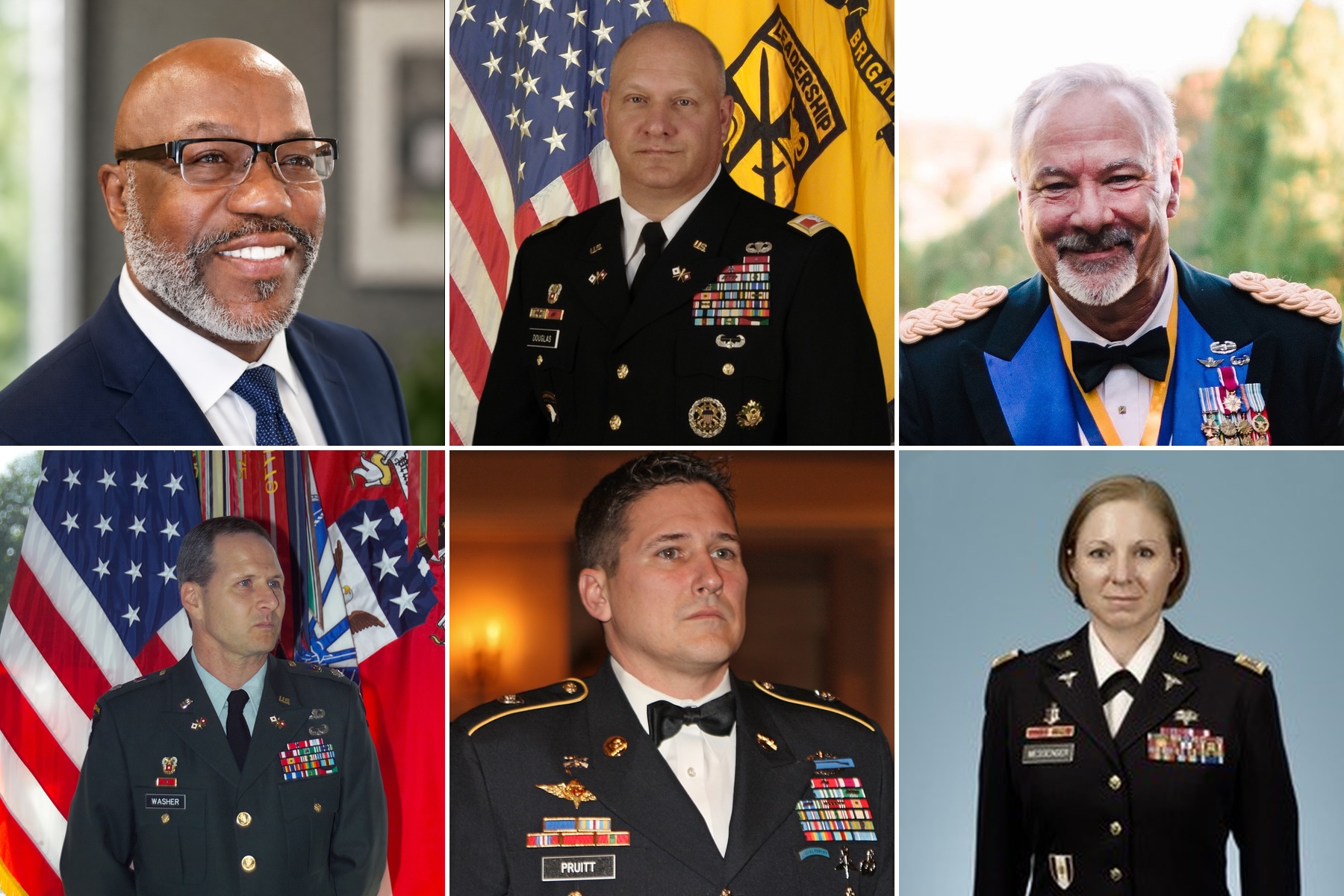
Austin Peay State University has announced six inductees into the APSU Governors Military Hall of Fame Class of 2026, to be honored during a reception and induction dinner on Friday, Nov. 6, in the Morgan University Center Ballroom.
Read More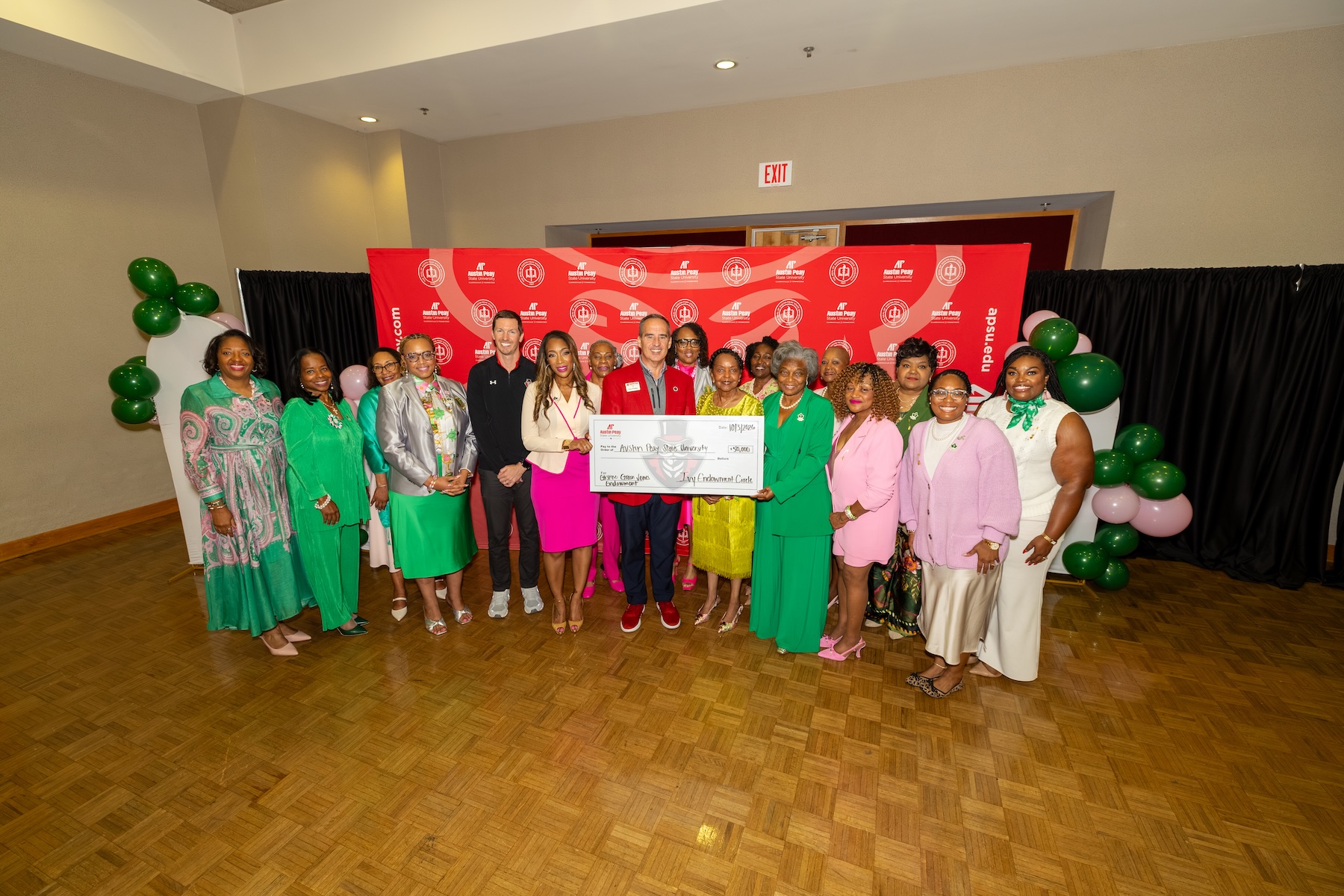
Austin Peay State University has received a generous gift from The Ivy Endowment Circle to establish the Glistine Green Jones Scholarship Endowment. The endowment honors Glistine Green Jones' legacy of mentorship, service, and leadership within Alpha Kappa Alpha Sorority, Incorporated® Kappa Rho Chapter.
Read More
Austin Peay State University's Zone 3 Press, with support from the Center of Excellence for the Creative Arts, will host Newbery Honor-winning Lipan Apache author Darcie Little Badger for a free public reading and book signing at 7 p.m. on Nov. 5 in Art + Design Room 120.
Read More