


APSU to open psychiatric nurse practitioner clinic thanks to new grant

CLARKSVILLE, Tenn. – A few years ago, the Austin Peay State University College of Behavioral and Health Sciences addressed an important mental health crisis within the local community. According to a report on mental health in America, Tennessee ranked 45th in the nation for providing access to mental health care, so the college opened the Psychological Science and Counseling Clinic in the former Wesley Foundation Building at 510 College St.
The clinic, which is part of Austin Peay’s Doctor of Psychology (Psy.D.) in counseling psychology program, now serves low-income, under-insured and uninsured Clarksville residents in need of mental health counseling. The facility provides the community with evidence-based treatments for mood, trauma, anxiety and other issues, but anyone needing additional support through medication is referred to one of the area’s overwhelmed psychiatric providers.
“You can go (to the APSU clinic) for counseling, and the counselors often refer you to psychiatrists or psychiatric nurse practitioners if you require medication to support your mental health needs,” Dr. Kristen Hershey, APSU professor of nursing, said. “Right now, that service isn’t offered at the clinic.”
“And most community mental health right now has a six month wait list,” Dr. Leslie Binford, APSU assistant professor of nursing, said.
This fall, Hershey and Binford, both psychiatric nurse practitioners, will help make that waiting period go away thanks to a grant they received from Clarksville Montgomery County Community Health Foundation. They’ll use that money to embed an APSU School of Nursing team in Austin Peay’s existing counseling clinic

“The Psychological Science and Counseling Clinic is already established, so we are going to be joining them, cooperating really, to do prescribing, medication prescribing for mental health,” Binford said. “Anyone in the community can access our services on a low-cost, sliding scale.”
Office visits will start as low as $5, and the psychiatric clinic has the option to provide clients a bill if they need to submit to insurance for reimbursement.
In addition to supporting the local community, the APSU Psychological Science and Counseling Clinic was developed to provide a primary training site for Austin Peay’s Doctor of Psychology and Master of Science in counseling programs. With this new medication service, the clinic also will provide a training site for another APSU degree program.
“We have a psychiatric nurse practitioner track now open in the School of Nursing. So, we will have students working there as a clinical site,” Hershey said. “We’re very excited about the opportunities for collaborative, hands-on learning for our students, as well as community service and outreach.
For information on the clinic’s psychiatric services, visit https://www.apsu.edu/medication-management-clinic/.
News Feed
View All News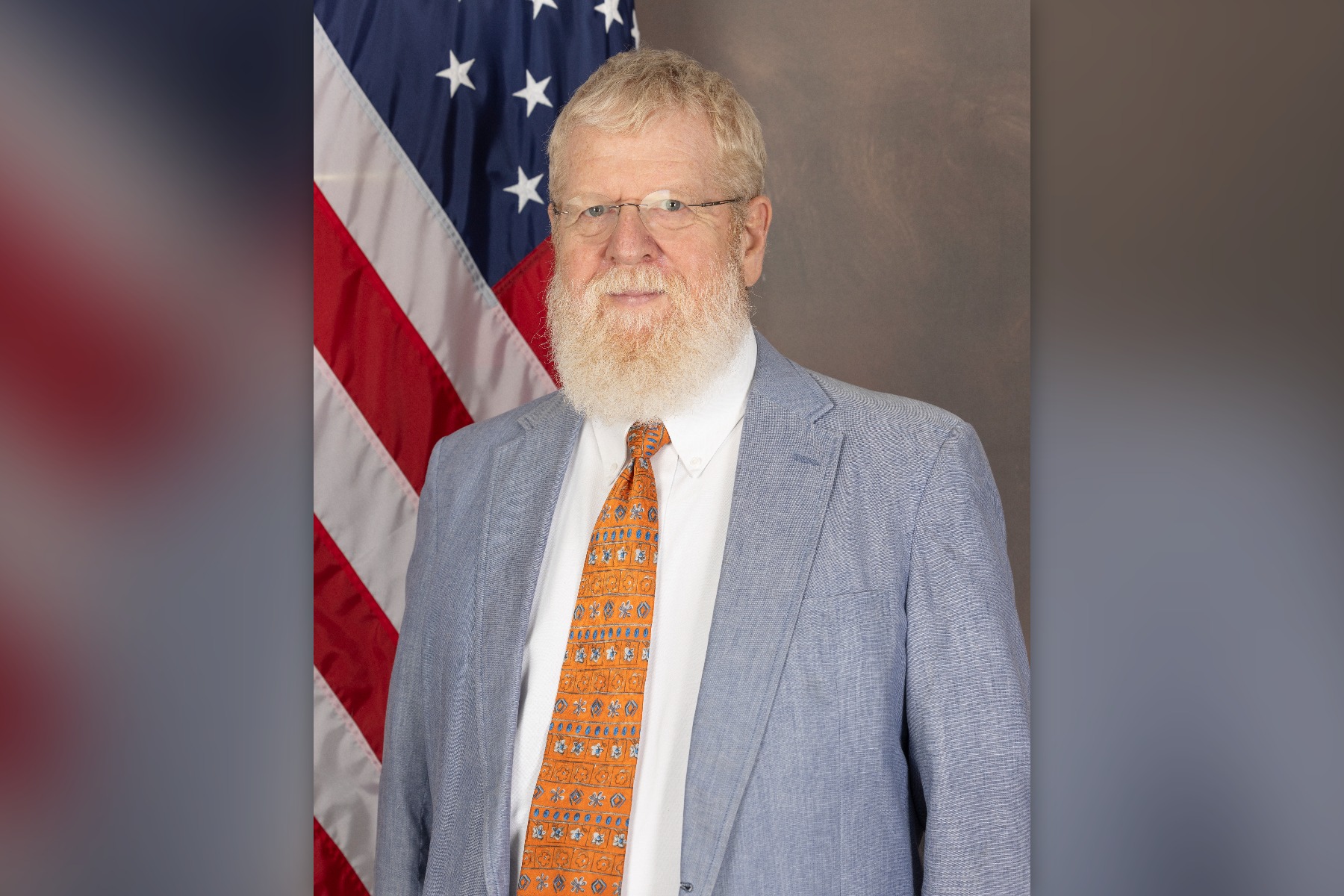
Dr. John W. Steinberg, an Austin Peay State University professor of history and one of the world's leading authorities on Russian military history, is spending the 2026-27 academic year teaching cadets at the United States Military Academy at West Point as the Charles Boal Ewing Chair in Military History.
Read More
Austin Peay State University has received a gift from Sharon A. Dunn ('73), a College of Business graduate, to establish the KY Tri-County College of Business Scholarship Endowment, giving first preference to students from Todd, Christian, and Trigg counties in Kentucky.
Read More
The Department of Physics, Engineering and Astronomy has announced two free Public Observatory Nights this fall at the Coleman Tractor APSU Farm Powered by Kubota, with sessions on Oct. 17 and Dec. 19 open to stargazers of all ages.
Read More