APSU College of Ed grad class partners with Moore Magnet on outdoor science lessons
CLARKSVILLE, Tenn. – On an October afternoon in 2013, students at Moore Magnet Elementary School began their first hands-on lessons in an innovative outdoor classroom. The space, developed by local architect Brad Martin, featured a garden and a pond for students at this STEM school to explore their curiosity.
Eight years later, the outdoor classroom sits abandoned, with teachers no longer taking their students to learn in this space. When Kelsea Cox arrived earlier this year as the school’s new principal, she knew this important space needed to be restored.
“The big thing about Moore is we have this garden and this pond, but they need to be revived,” she said. “What can we do with that space?”
The school’s teachers were focusing on how to incorporate STEM topics into all subject areas, while also continuing to deal with an ongoing pandemic, so they didn’t have time to focus on reestablishing this outdoor space. Then one day, kindergarten teacher Hannah Oglesbee reached out to her former professors at Austin Peay State University’s Eriksson College of Education. Specifically, she contacted Drs. Donna and Phillip Short, who run the college’s Jack Hunt STEM Center.
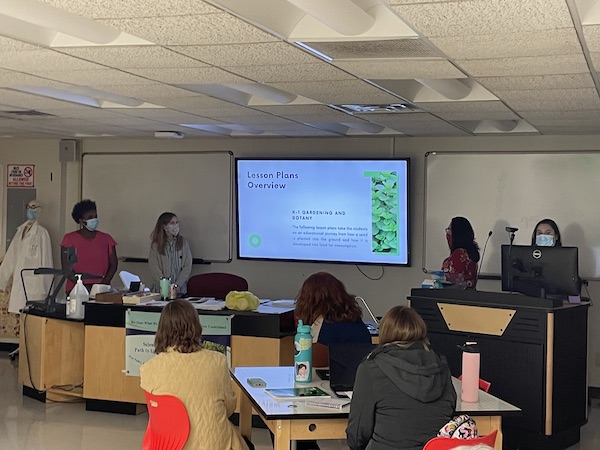
The Shorts added the project to their Education 5360 course – a master’s level class that integrates science and social studies into school curriculums. This semester, their students are developing lesson plans for the teachers at Moore to use in the outdoor classroom.
“We have so much on our plate right now, so when they agreed to help us, it was like, ‘wow, this is really something,’” Oglesbee said. “And we know it’s going to be high-quality instruction.”
The Shorts already required their students to develop lesson plans, but often those plans went unused at the end of the semester. Now, the grad students are providing free STEM lessons for the magnet school’s teachers.
“What we’re really trying to do is integrate those subjects (science and social studies) and provide the K-5 students with a richer experience with their learning,” Donna Short said.
Michelle Rogers, an Austin Peay Center of Excellence in Field Biology researcher, is also helping with the project to make sure the Moore teachers have access to materials and expertise.
“We can provide a lot of support to them,” she said. “We have access to native seeds and experts in water quality and the plants and animals that live here. The (APSU) Office of Sustainability has a set of children’s binoculars. There are a lot of options.”
As part of the APSU graduate class, the students make sure their lesson plans incorporate the five “E’s” – engagement, exploration, explanation, elaboration and evaluation.
“The interesting thing is if we do this thing right, then the students are actually constructing their own understanding based on what they’re observing and what they’re doing,” Dr. Philip Short said. “They make mistakes which is the golden moment in education. Why did I fail? Why did I get different results?’”
As part of the APSU class, students are divided up into grade-level groups – kindergarten and first grade, second and third grades, and fourth and fifth grades – with each group developing outlines for different activities the Moore teachers can use in the outdoor classroom.
“I think it’s really good to be able to create something that is going to be used in the community and help students see connections between the standards they’re being taught and the purpose for learning those things,” Ruth Coats, a graduate student in the class, said.
Lisa Bledsoe, a graduate student in the kindergarten and first grade group, said she was excited that her lesson plans will get children to think about science at an early age and beyond their indoor classroom.
“They’ll get a lot of hands-on activities,” she said. “This plan brings them outside, and they’ll get to explore colors, shapes, their ABCs, art with mosaics.”
The outdoor classroom also features a pond, which APSU graduate student Mariel Tomes is incorporating into her lesson plan.
“Ours centers around the chemical makeup of it, the ecosystem, how it works, the water cycle, water molecules,” she said. “We’re looking at how water molecules affect the actual water cycle. It’s like sticking your toe in the water, literally.”
The APSU students recently presented their plans to Cox, Moore Magnet’s principal. The elementary school, the Eriksson College of Education and the College of STEM will continue to build upon this collaboration throughout the coming year.
News Feed
View All News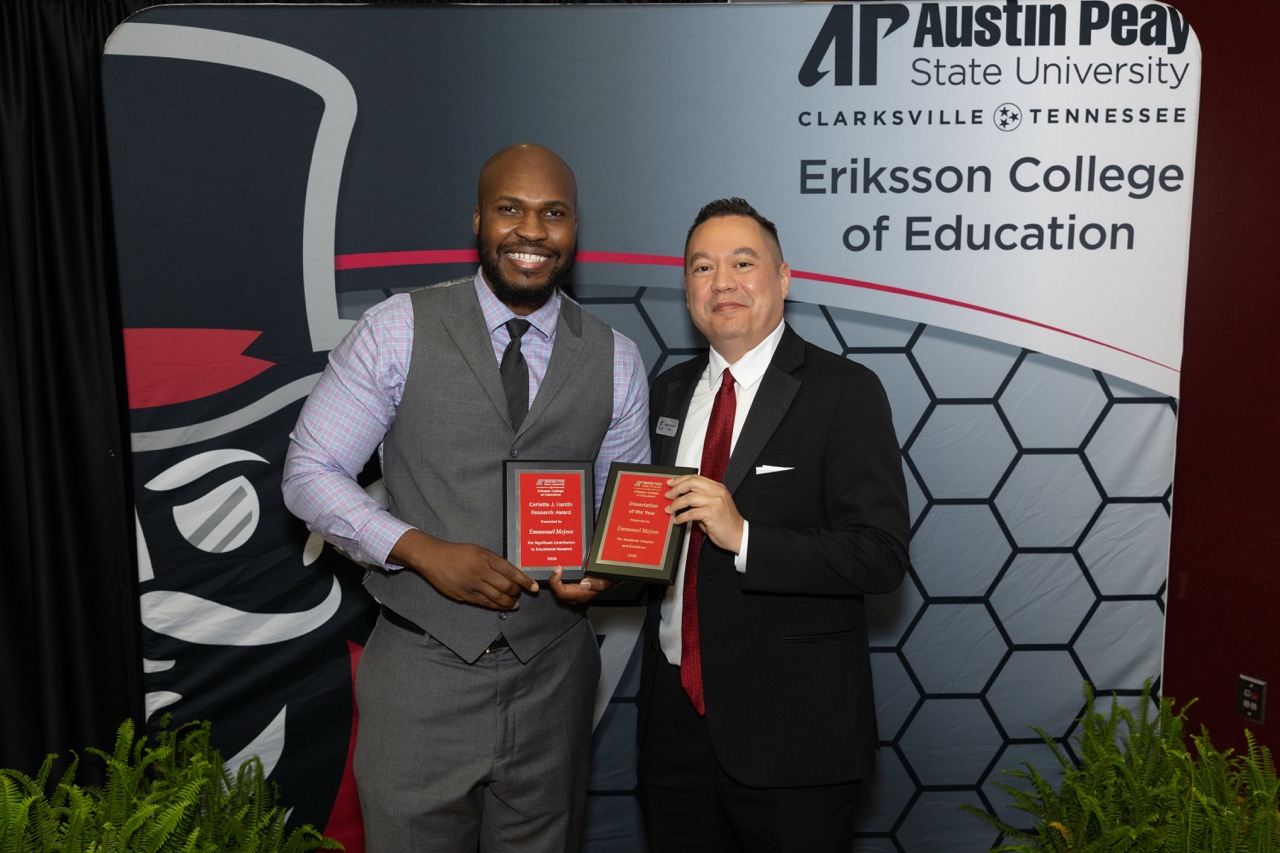
Austin Peay State University's Eriksson College of Education hosted its annual Awards Ceremony. Recognizing outstanding student, faculty, and staff achievements, the celebration featured Tennessee Teacher of the Year Dr. Brandi De La Cruz and honored top scholar Emmanuel Méjeun.
Read More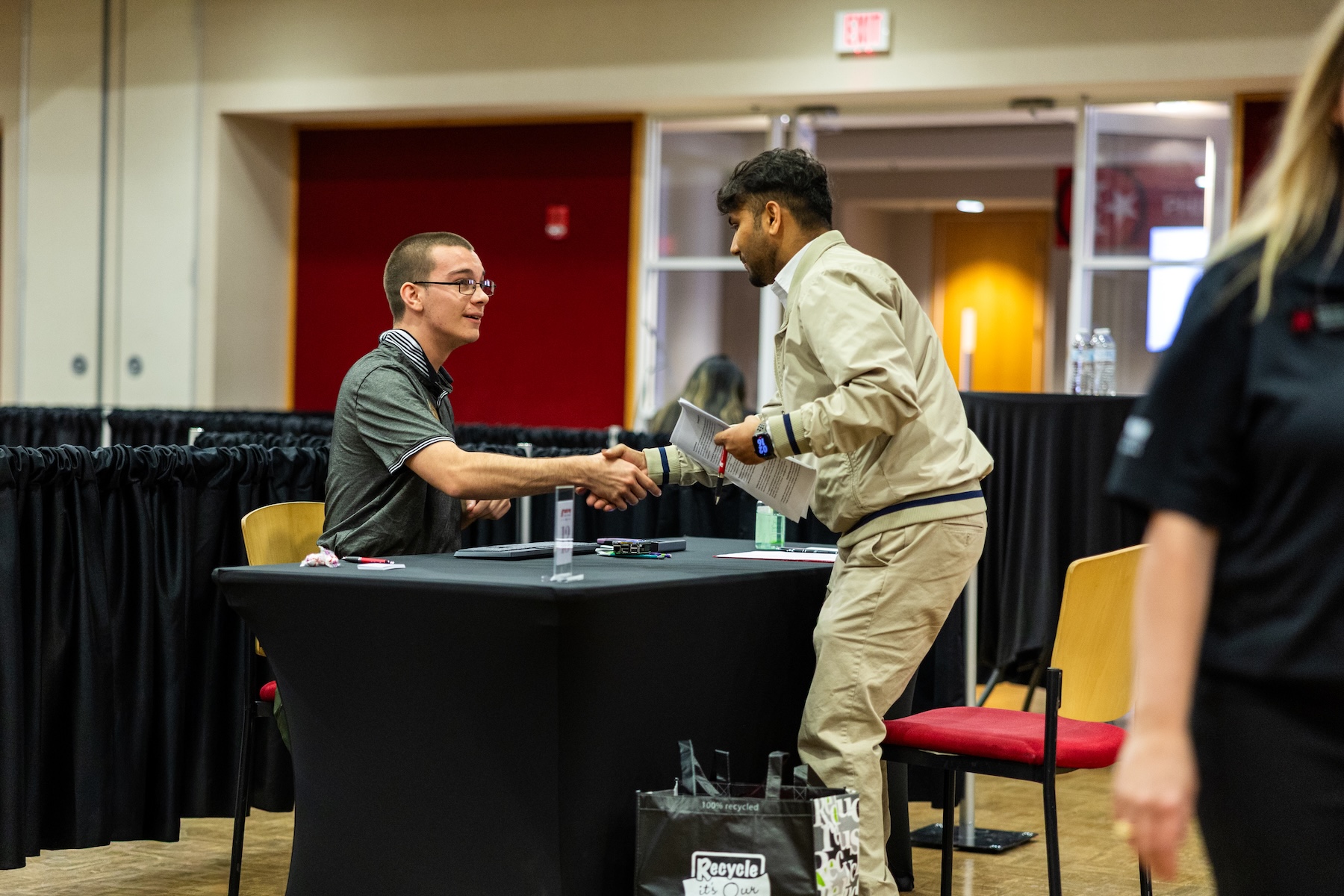
Hosted by the Full Spectrum Learning (FSL) program in partnership with the Career Success Center (CSC) and the Disability Student Success Center (DSSC), the event changes the traditional career fair model by letting students host tables for employers.
Read More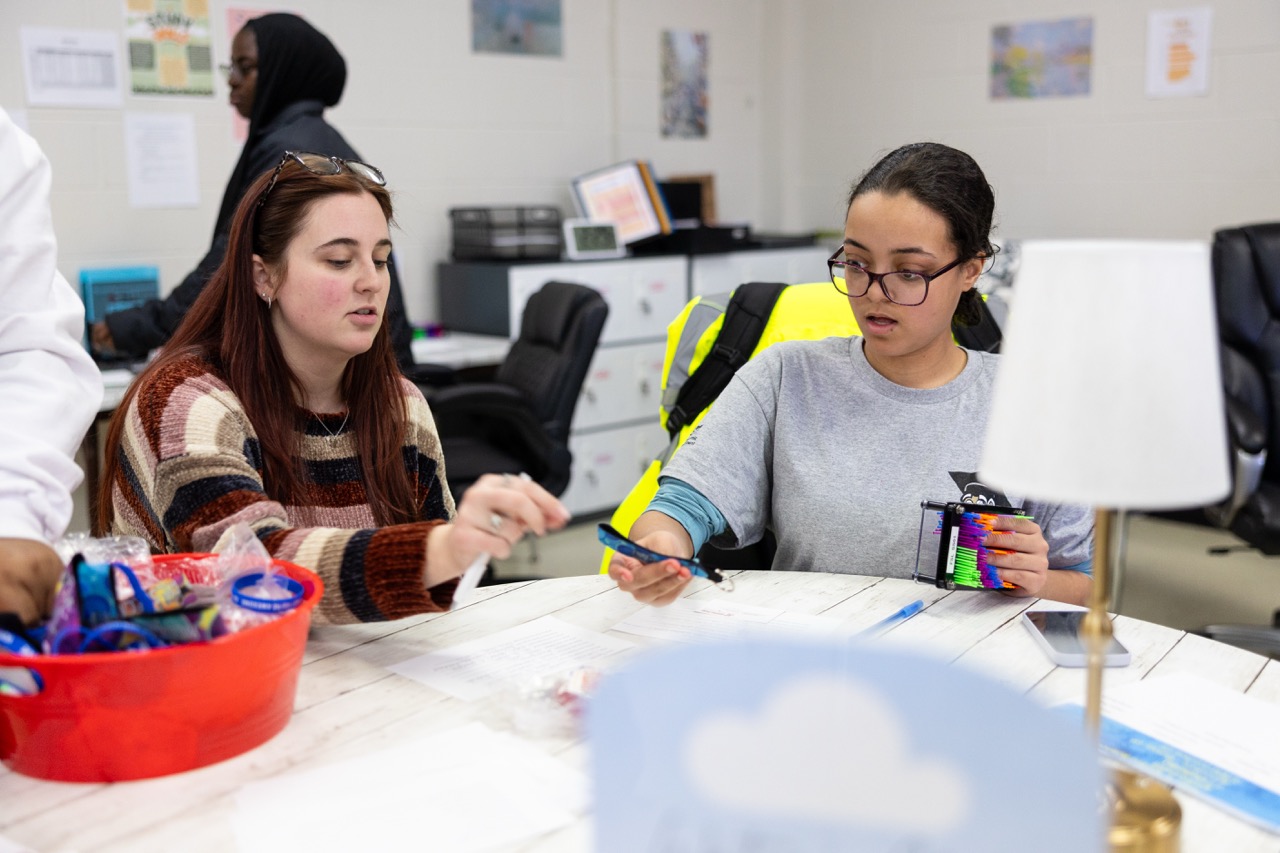
Austin Peay State University's Full Spectrum Learning program celebrates its 10th anniversary with Autism Awareness Week events April 13-18. Free and open to the public, the week features workshops, a student showcase, a forum, and an anniversary celebration honoring a decade of supporting neurodiverse students.
Read More