APSU Eriksson College of Education to host teacher shortage conference

CLARKSVILLE, Tenn. – The Austin Peay State University Eriksson College of Education is focused on finding new ways to address the need for licensed teachers in local and regional school districts. The college’s efforts, including the Grow Your Own initiative, garnered attention from White House officials in 2022. Next month, the College of Education will share successes and lessons from the past few years during the inaugural Virtual Conference on Teacher Shortage.
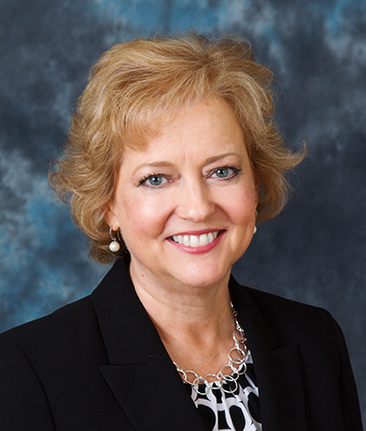
“With many school districts struggling to find qualified teachers, we have found the Grow Your Own model to be a new pipeline,” said Dr. Lisa Barron, APSU director of teacher education and partnerships. “Through this conference, we hope to present this model to school districts across the state and show them how they can partner with Austin Peay to train more teachers for their schools.”
The virtual conference, 8 a.m. – 3 p.m., Feb. 28, allows school district administrators and teachers across the state, as well as community colleges, to garner advice and engage in best practices from experts. While Austin Peay’s Grow Your Own program began with the surrounding five-county area, Barron said she receives calls weekly from school districts statewide seeking assistance on how to replicate the success originally sparked in a partnership between APSU and the Clarksville-Montgomery County School System.
“I saw the need to expand upon what we have learned to a wider audience,” Barron said. “We are ready and equipped to partner with interested school districts and community colleges across the state.”
Austin Peay’s Grow Your Own program launched in 2019, with the first degrees awarded in August 2022. The initiative is designed for recent high school graduates and college students to work as support staff in schools for three years while completing coursework toward a bachelor’s degree in teaching. Students complete the degree at no cost. The program expanded in 2022 when the U.S. Department of Labor approved APSU’s Teacher Residency program as the first registered apprenticeship of its kind.
Highlighted sessions for the conference include:
- “Paving the Way: The Austin Peay, Clarksville-Montgomery County School System and Nashville State Community College Model,” presented by the APSU Eriksson College of Education, Clarksville-Montgomery County School System and Nashville State Community College;
- “Apprenticeships,” presented by the Tennessee Department of Education and Tennessee Grow Your Own Center;
- “Budget and Financial Considerations and Innovations," presented by the Clarksville-Montgomery County School System;
- “What a Difference a Year Makes: The Expansion of Registered Apprenticeships in Teaching from Tennessee to the Rest of the Country," presented by the National Center for Grow Your Own;
- “Partnering with APSU for Job-Embedded Teachers,” presented by the APSU Eriksson College of Education.
“We are very excited to have these key national and state partners to participate in this event,” said Dr. Prentice Chandler, dean of the Eriksson College of Education. “Our intention is to continue to equip dynamic teachers and work with school districts to better understand their needs and challenges.”
Register for the conference here. For more information about APSU’s Eriksson College of Education, visit www.apsu.edu/education.
News Feed
View All News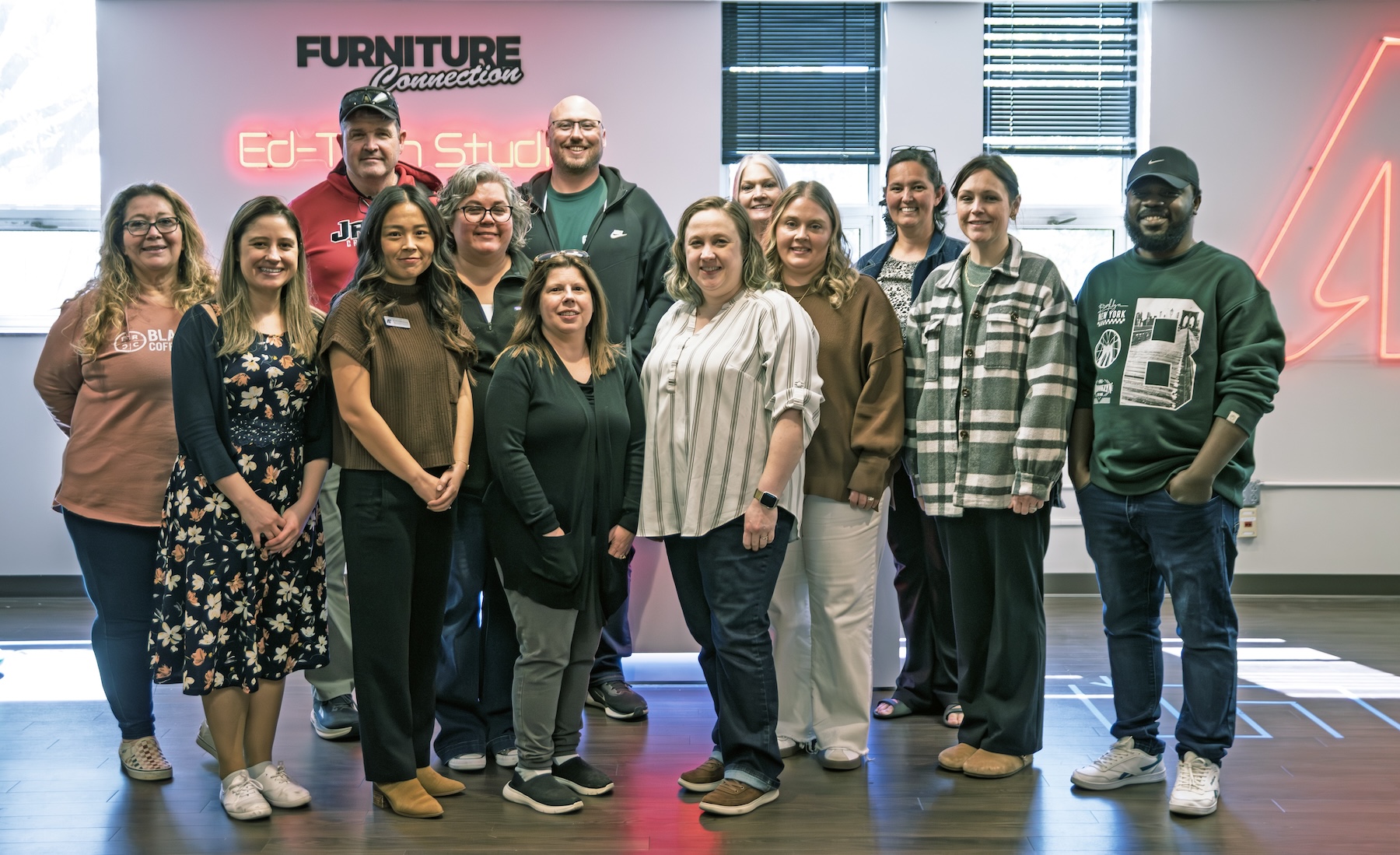
The Austin Peay State University Foundation has received a $50,000 contribution from Google to support its Collaborative STEM Education Initiative, delivering hands-on workshops in coding robotics, virtual reality, 3D printing, and artificial intelligence to K-12 students across five rural Middle Tennessee counties.
Read More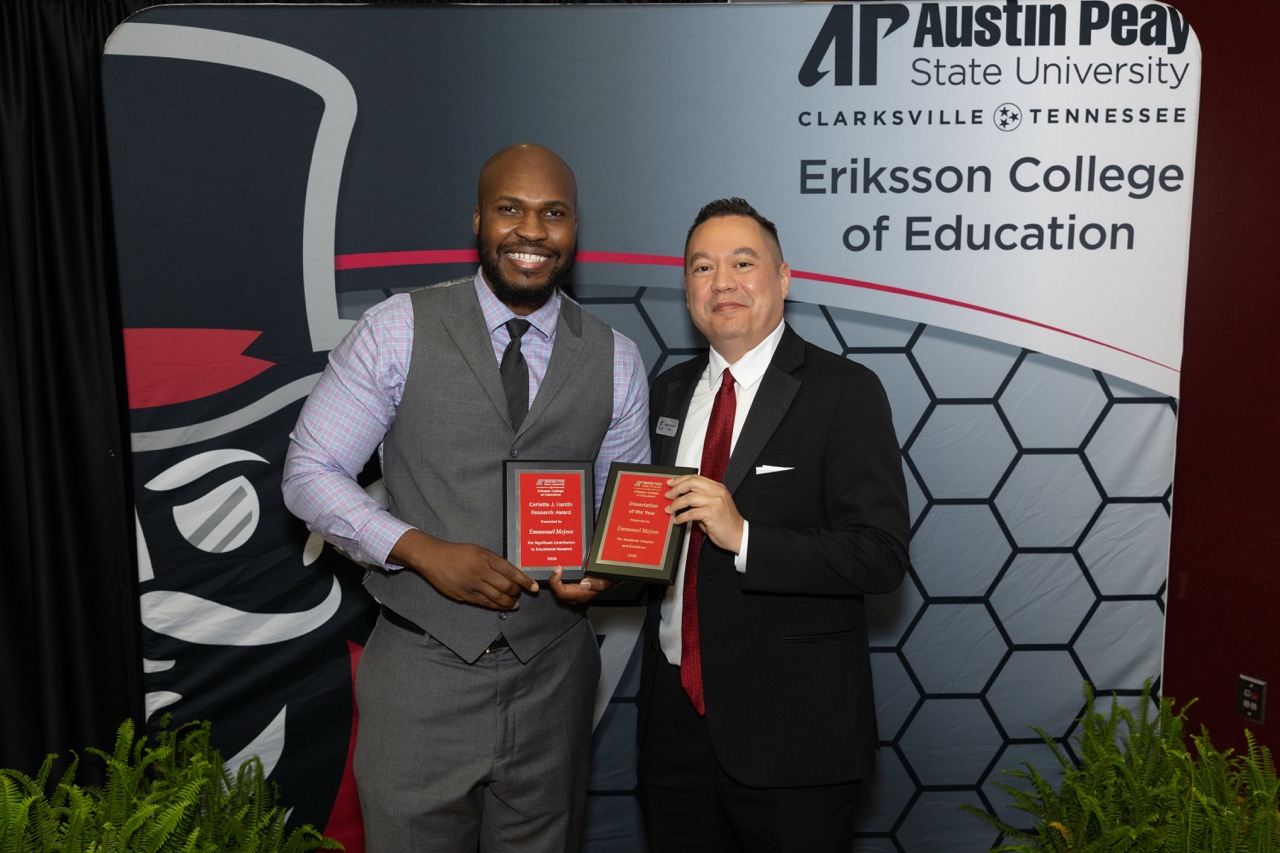
Austin Peay State University's Eriksson College of Education hosted its annual Awards Ceremony. Recognizing outstanding student, faculty, and staff achievements, the celebration featured Tennessee Teacher of the Year Dr. Brandi De La Cruz and honored top scholar Emmanuel Méjeun.
Read More
Austin Peay State University's Full Spectrum Learning program celebrates its 10th anniversary with Autism Awareness Week events April 13-18. Free and open to the public, the week features workshops, a student showcase, a forum, and an anniversary celebration honoring a decade of supporting neurodiverse students.
Read More