Geology professor explores teaching strategies at national petrology workshop
By: Brian Dunn August 28, 2023

Dr. Erik Haroldson, an associate professor of geology at Austin Peay State University, was recently selected to attend an exclusive workshop focused on improving the teaching of petrology, the study of how rocks form.
The Teaching Petrology Workshop, funded by the National Science Foundation, was held at Smith College in Northampton, Massachusetts, earlier this month. Haroldson was one of only 30 geology professors from colleges and universities nationwide chosen to attend the workshop.
Workshop focus: innovative teaching and digital tools
The four-day workshop brought together educators with a wide range of experience in teaching petrology. The goal was to explore innovative techniques and resources to enhance the petrology curriculum at colleges and universities nationwide.
A primary focus was incorporating internet-based visualizations, animations and other digital tools into traditional hands-on classroom and field learning. The workshop intended to help professors effectively integrate online resources into their courses, drawing from a wealth of materials developed during the shift to more remote learning due to the COVID-19 pandemic.
“The workshop provided a platform for all of us to share our knowledge and aspirations for teaching petrology using online resources,” Haroldson said. “We discussed finding the right balance between technology and traditional methods.”
Dr. John Brady, professor emeritus at Smith College, organized the workshop and created an extensive educational website with interactive visuals to explain igneous and metamorphic petrology concepts.
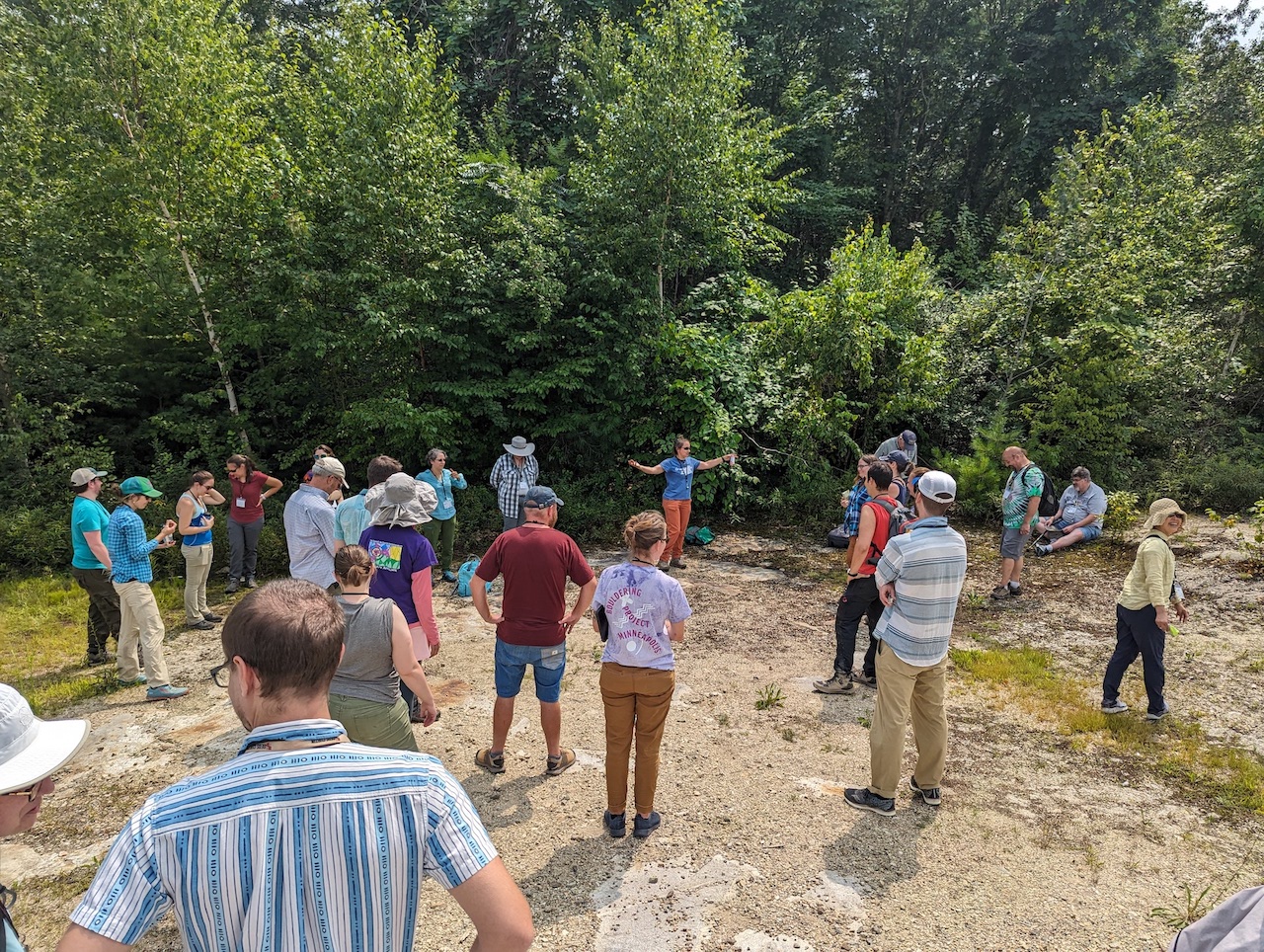
Developing engaging lessons and demos
A core goal of the workshop was developing new active learning assignments and classroom activities incorporating Brady’s website. Haroldson collaborated in a small group to design student activities and demonstrations using these digital tools.
“My group focused on creating a series of short, engaging introductory activities and demos to spark student interest and illustrate key concepts,” Haroldson said. “Any instructor can use them to enhance their curriculum.”
Haroldson is helping build a shareable “library” of these activities called SPARKS, which stands for Short Petrology Activities to Raise Knowledge for Students. He plans to implement several SPARKS lessons in his Austin Peay State University classes during the upcoming school year.
“The SPARKS lessons use techniques like demonstrations, animations and group discussions to illustrate concepts and get students thinking like geologists,” he said.
Longer term, he, Dr. Dory Farthing of the State University of New York-Geneseo and Dr. Kyle Gray of the University of Northern Iowa will assess the lesson impacts through pre-and post-tests and student surveys. Haroldson hopes to expand this research on the effectiveness of SPARKS activities to other workshop participants.
“The goal is to create a diverse go-to set of introductory activities that instructors nationwide can use to bring petrology concepts to life,” he said.
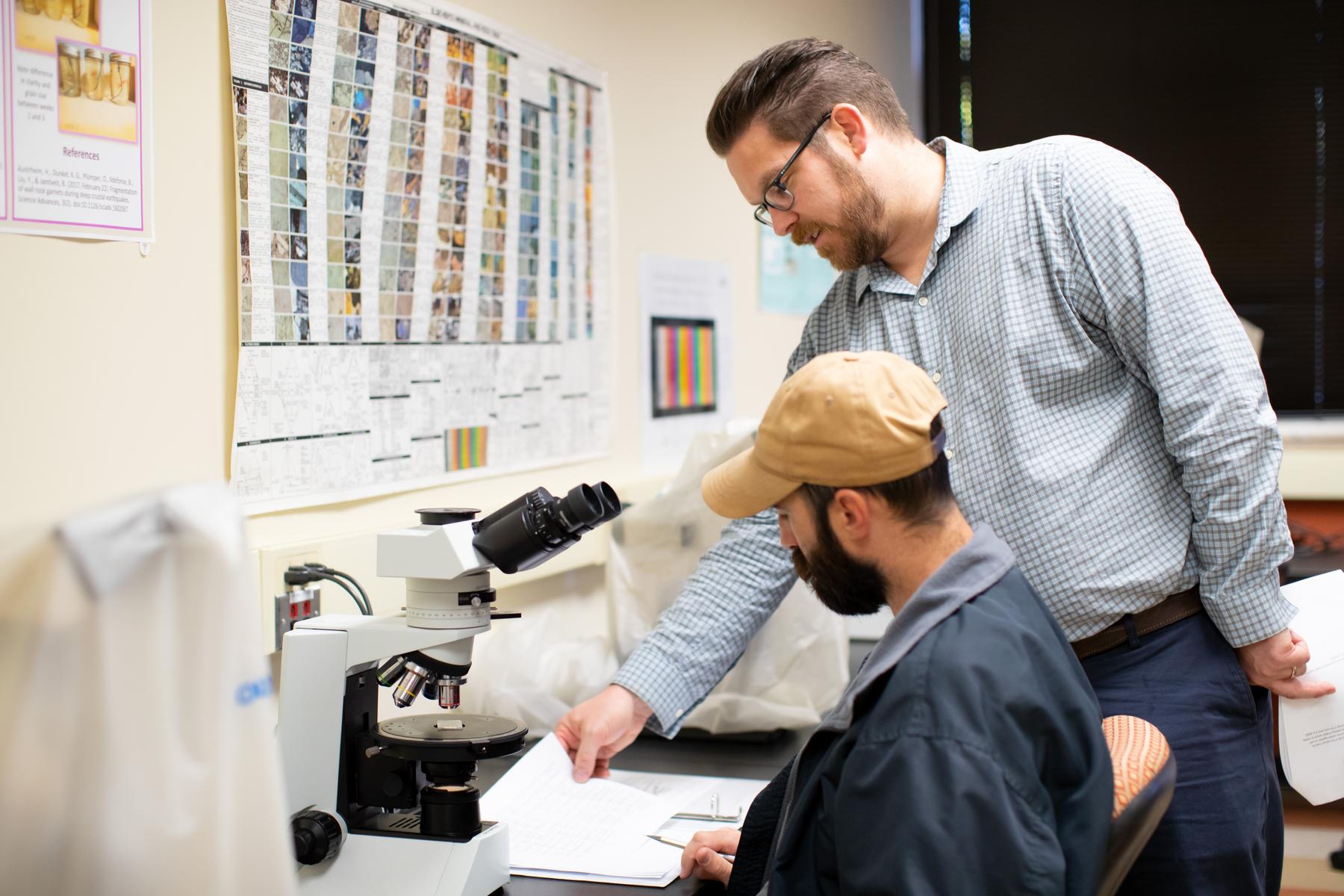
Improving diversity and inclusion
The workshop participants also discussed strategies to improve diversity and inclusion in the geosciences. Traditionally the field has lacked gender, racial and socioeconomic diversity.
“We talked about building classroom community to make students of all backgrounds feel welcome,” Haroldson said. “Tapping into students’ existing knowledge and experience is also crucial.
“We want every student to feel excited about learning, comfortable being themselves, and welcome to explore rocks, minerals and the earth.”
In addition to collaborating on curriculum, developing relationships was essential for Haroldson.
“I met inspiring professors who are deeply committed to teaching,” Haroldson said. “We plan to stay in touch and share ideas going forward.”
For more information about the Department of Earth and Environmental Sciences at Austin Peay, visit the department’s website.
News Feed
View All News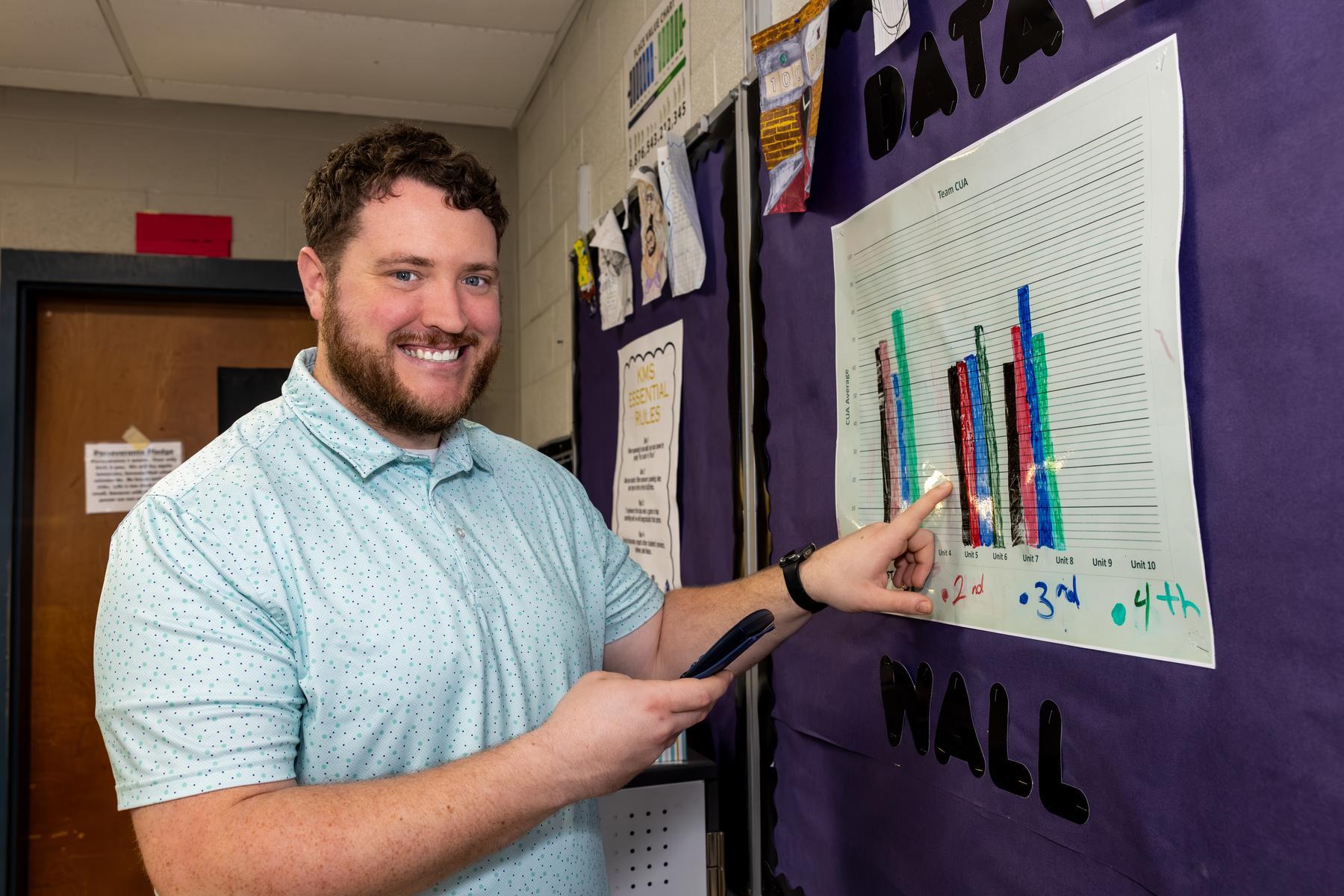
Math education major and Navy veteran Andrew Daniels recently traveled to Poland and Germany through a Gilman Scholarship to explore his family's World War II history, becoming the first student in APSU's Grow Your Own Teacher Residency to study abroad.
Read More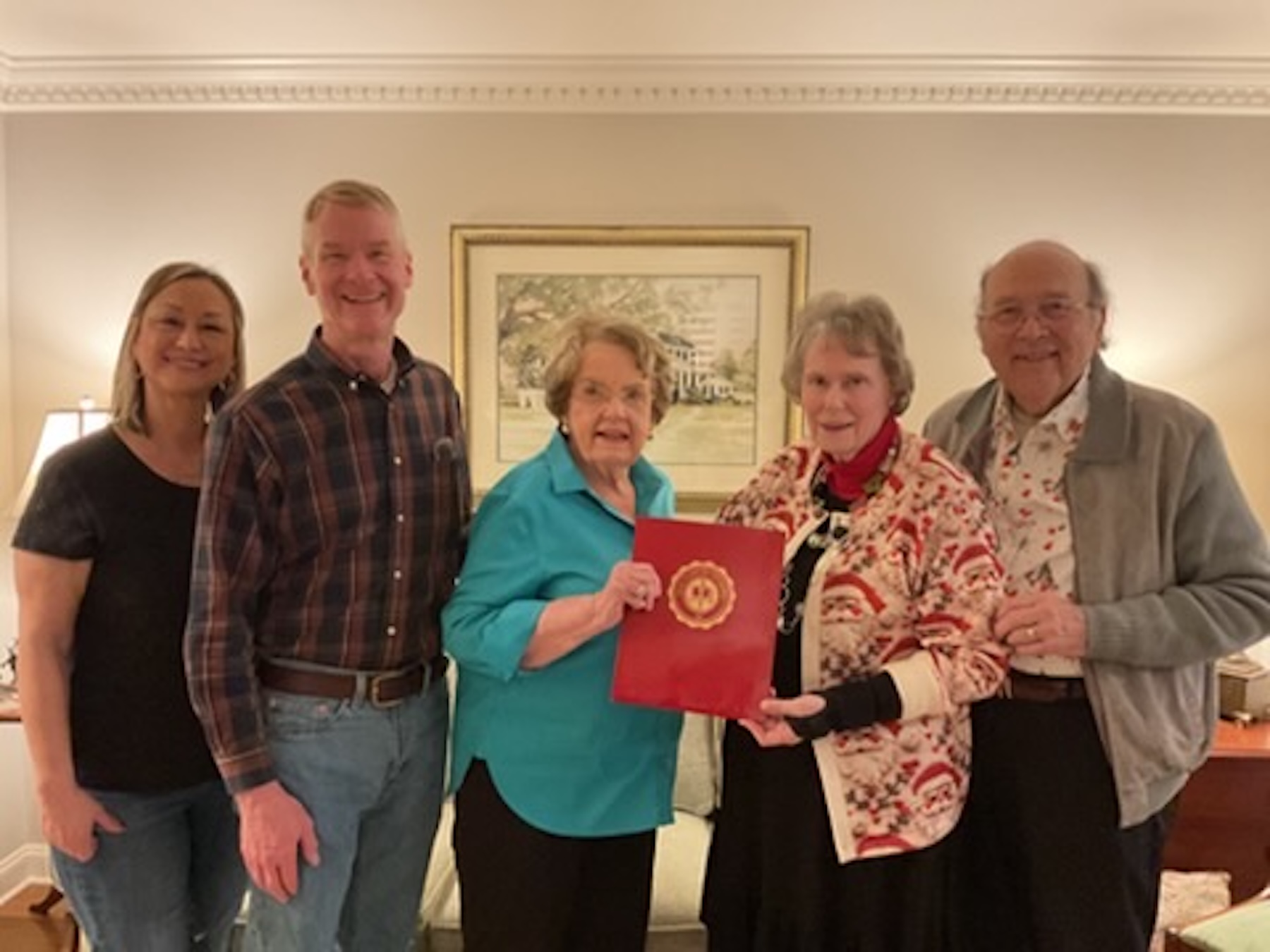
The Austin Peay State University Foundation has received a gift from Dr. Ernest and Joan De Wald to establish the Drs. D.W. & Ben Howard Pre-Vet Endowment, a renewable scholarship supporting APSU students pursuing pre-veterinary studies.
Read More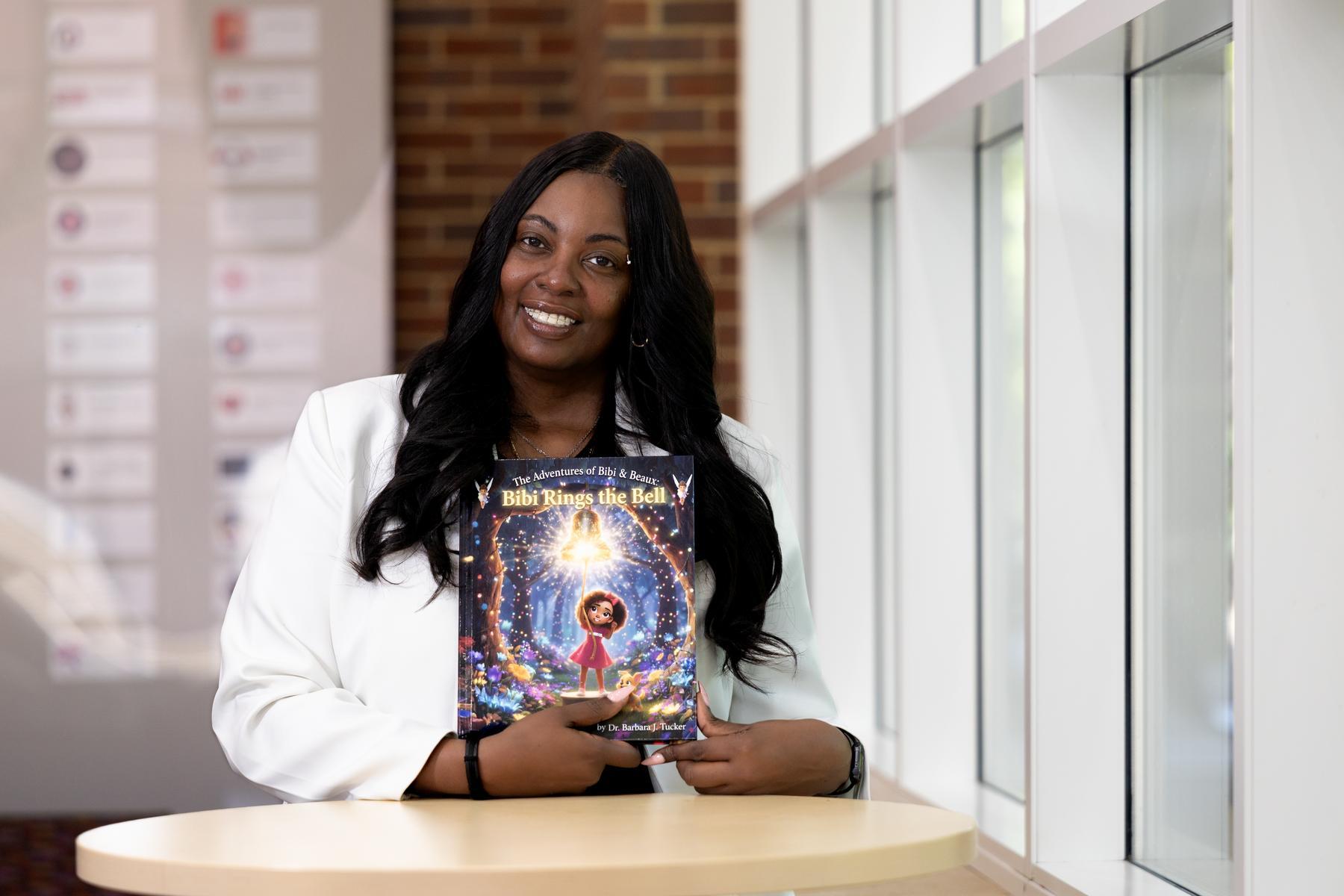
Dr. Barbara Tucker, Austin Peay State University's director of technical services, created The Adventures of Bibi and Beaux based on her experiences to help children process their own cancer journeys.
Read More