


APSU launches ‘Science on Tap’ Sept. 3 at Strawberry Alley Ale Works
(Posted Aug. 29, 2019)
When Austin Peay’s Dr. J. Allyn Smith talks black holes, he likes to drop in lots of “fun stuff” and quirkiness.
Take, for instance, his description of a hypernova (which is basically supernova’s bigger and more energetic brother that forms a black hole inside its starry shell): “It becomes what we call a self-eating watermelon, the black hole eats the star from the inside out.”
And spaghettification happens to unfortunate souls who step into wormholes: “For us on the outside, we’re seeing younger brother falling in, we say, ‘Bye,’” Smith said. “To them they see us as they are agonizingly stretched for, to them, hundreds of millions of years.”
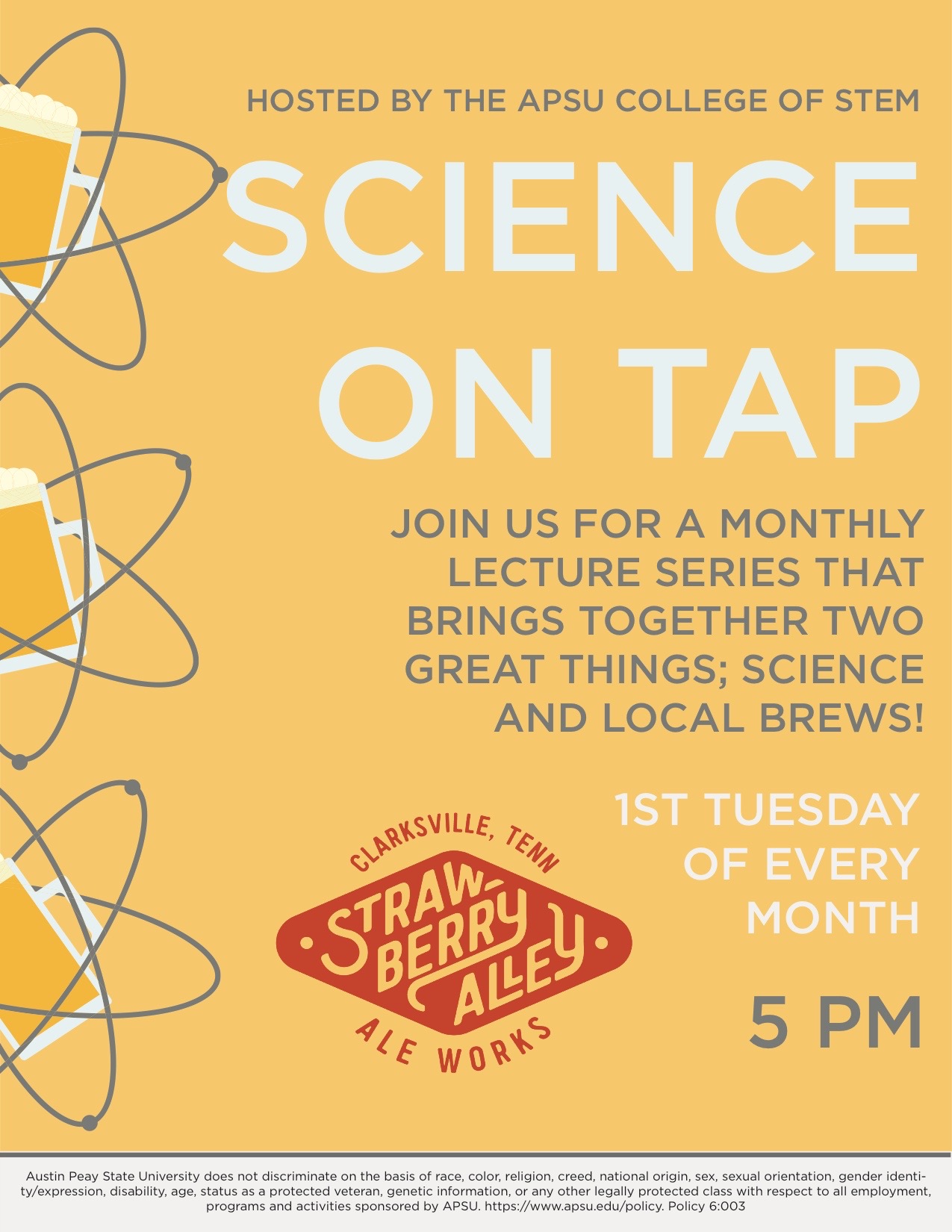
Smith – an astrophysicist who teaches in the Department of Physics, Engineering and Astronomy – will discuss black holes at 5 p.m. Tuesday, Sept. 3, at Austin Peay’s first “Science on Tap,” a monthly lecture series that unites two great things: science and local brews.
The series is hosted by APSU’s College of STEM on the first Tuesday of every month at Strawberry Alley Ale Works.
MAJOR DISCOVERY AT HEART OF LECTURE
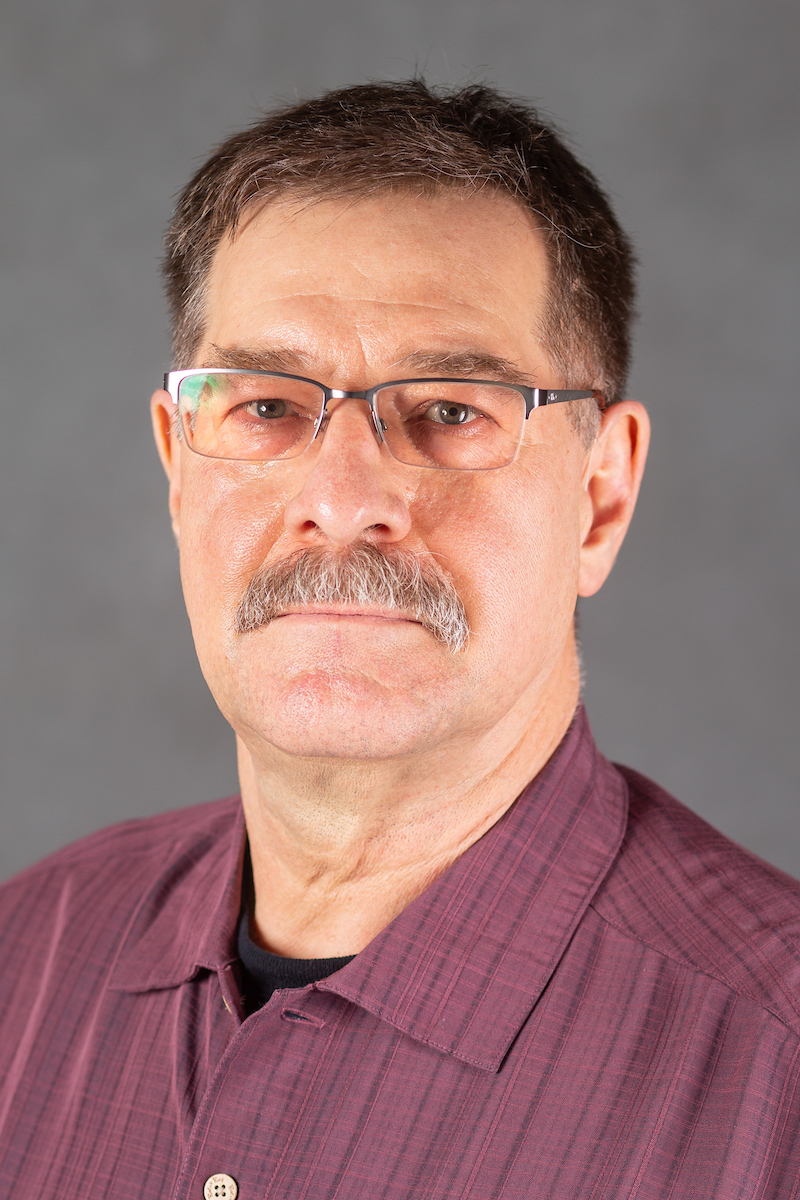
Smith will center his lecture on the first-ever image of a black hole captured earlier this year. Event Horizon Telescope – a global collection of telescopes – spotted the black hole in the Messier 87 galaxy about 55 million light-years away.
But he’ll also talk about the basics and the fun stuff about black holes.
“I’ll talk about what a black hole is, the theory, the discovery and the description of a black hole, how big they are and what that actually means in physical size,” Smith said.
He’ll touch on supermassive, stellar-mass and primordial black holes. Supermassive black holes have a million to a billion times more mass than a typical black hole. Stellar-mass black holes are the typical ones. Primordial black holes exist (for now) in theory only and were created moments after the Big Bang (they are tinier than you can imagine).
“This is all really neat stuff,” Smith said. “‘Science on Tap’ is a great way to spend a Tuesday evening meeting members of the community, meeting Austin Peay people, having fun and learning something about science.”
The next “Science on Tap” is scheduled for 5 p.m. Oct. 1, when APSU chemistry professor Dr. Allen Chaparadza will discuss how to make beer, aka fermentation. Future topics could include Clarksville’s sinkhole topography, the newly discovered Screaming Eagle Crayfish and the New Madrid Fault.
TO LEARN MORE
- For more about the College of Science, Technology, Engineering and Mathematics, go to apsu.edu/costem.
- For more about the Department of Physics, Engineering and Astronomy, visit apsu.edu/physics.
News Feed
View All News
The exhibition will run from Oct. 30 to Jan. 7 at the Customs House, along with a Nov. 7 reception. It features the work of exemplary APSU students alongside faculty, showcasing the range, development, and skill within the Department of Art + Design.
Read More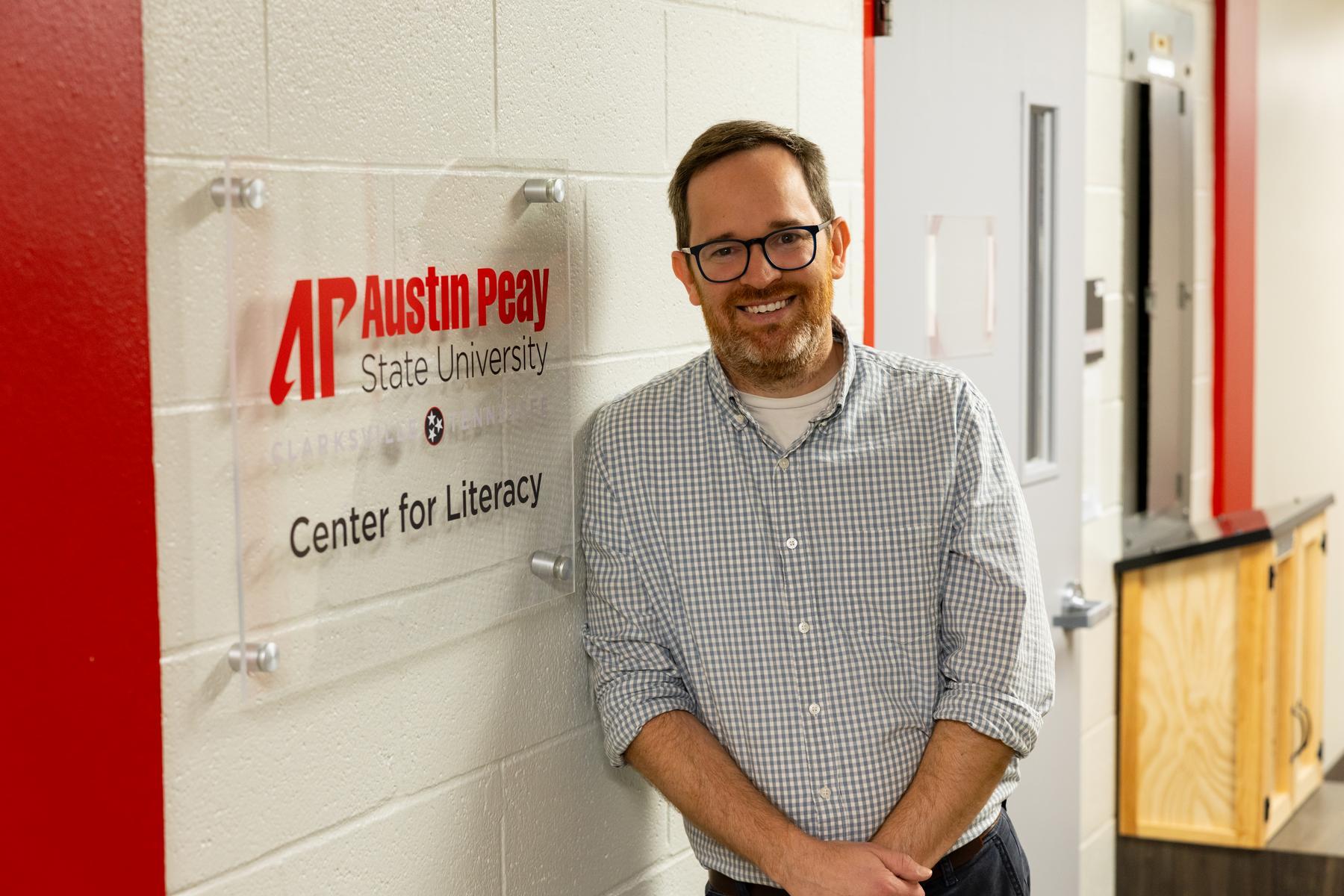
Under the direction of Dr. Zack Barnes, the Center for Literacy will serve as a hub for K-12 educators, teacher candidates, and researchers committed to improving student outcomes through proven instructional strategies.
Read More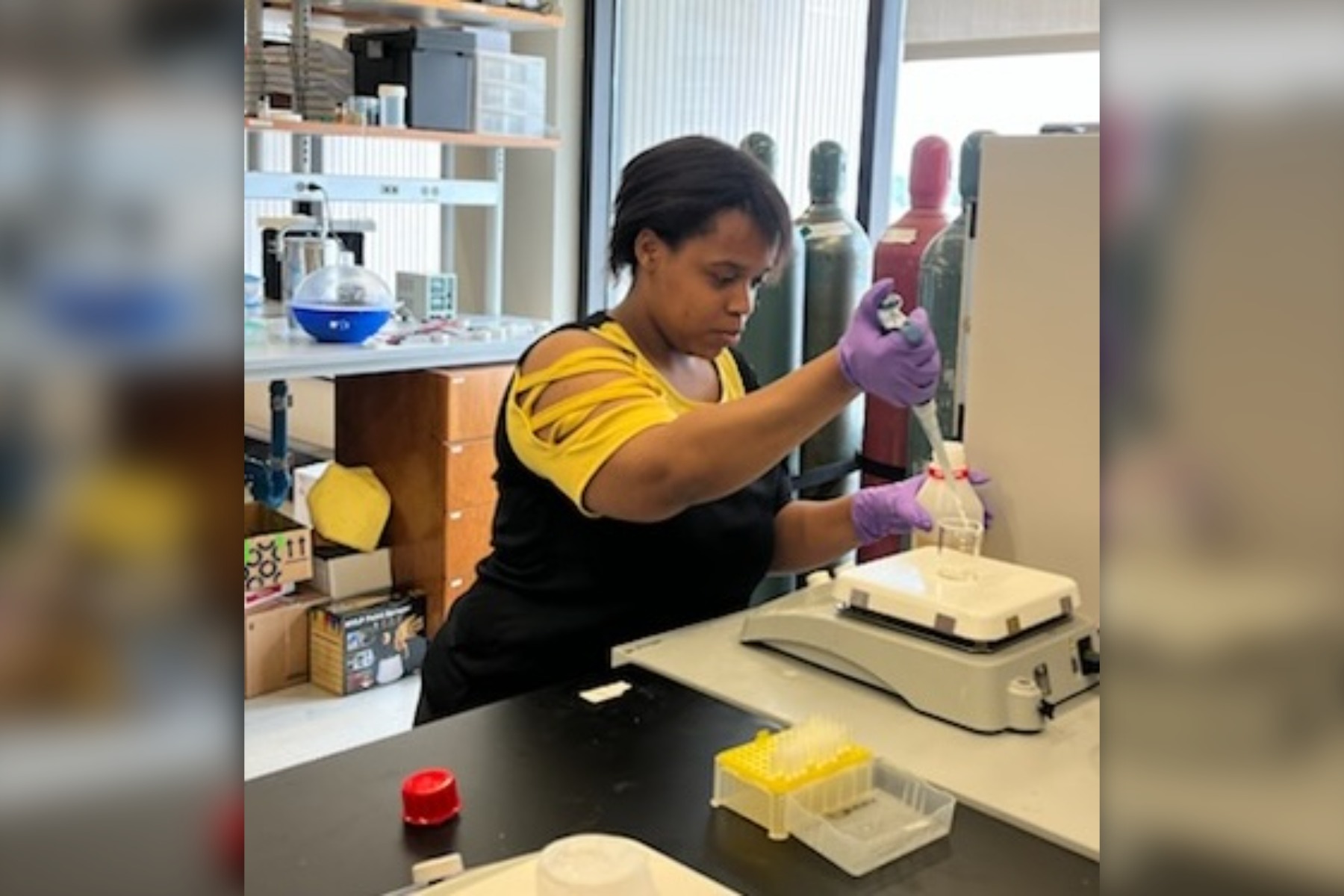
Keira Scott was one of nine students selected nationwide for the National Science Foundation's Research Experiences for Undergraduates (REU) program, where she researched biodegradable alternatives to petroleum-based plastics.
Read More