


Aviation science program receives approval for veterans training, meaning ‘little or no cost’ for veterans
(Posted April 4, 2019)
Austin Peay State University’s aviation science program recently received approval for veterans education benefits, meaning veterans can earn the degree at “little or no cost.”
The program – which has a concentration in helicopters (or rotor wing) – is Tennessee’s first rotorcraft flight school that offers a bachelor’s degree. The program is designed to help veterans, Fort Campbell pilots and civilians pursue competitive careers such as flight instruction, aerial tourism and charter operations.
“The approval for veterans educational benefits opens the funding source for veterans to pay for their education,” Dr. Kristine Nakutis, executive director of the Austin Peay Center at Fort Campbell, said. “Now that this program is approved for veterans’ educational benefits for students, that gives them the opportunity to achieve that bachelor’s degree with little to no out-of-pocket cost.”
About 20 students make up the fall cohort in the program, and Nakutis expects more students to sign up.
“We’re really going to see this program take off with the number of students who are interested in it and who will seek that degree program,” she said.
Retired Sgt. First Class Craig A. DeBourbon is enrolling in the fall.
“This is an outstanding opportunity,” the 43-year-old said. “Rotor-wing flight in a Part 141 program is pretty rare. There are not a lot of schools offering this, and this is a fine-looking facility with beautiful helicopters. The academics are getting very well dialed in.”
Part 141 is the set of federal regulations that govern the structure and FAA approval of a flight school, which APSU is currently pursuing.
PROGRAM POISED TO TAKE OFF

Austin Peay unveiled the rotorcraft program in January with the arrival of the first of three helicopters to campus. The University has two Guimbal Cabri G2s and one Robinson R44 Raven II in its fleet, all housed at Hangar 5 at Clarksville Regional Airport.
Also at the hangar is a classroom that will seat 30 students starting this fall, a flight simulation room, a computer work area for rotorcraft students and room for three flight instructors and a mechanic.
The program’s director, Charlie Weigandt, has the mechanic and will hire other instructors this summer.
The flight training device room will have a cockpit area and screens to put students in the pilot’s seat during simulations.
“We have technology in the classroom that’s as good as that in any Austin Peay classroom,” Weigandt said.
The student and office areas are nearing completion and should be ready by the fall semester, Weigandt said. He also hopes to have the Part 141 certification finalized by the summer.
OPPORTUNITIES OPEN UP FOR STUDENTS

For the fall cohort, the timing is good.
“The whole industry of rotor-wing aviation is expanding because the airlines are hurting for pilots,” Weigandt said. “They’re drawing pilots from the rotor-wing community, and that’s opening up job opportunities.”
Weigandt is a 24-year U.S. Army veteran and founding member of the 160th Special Operations Aviation Regiment. After his service, Weigandt spent an additional 14 years as a contract flight instructor.
“I can speak from personal experience, having my bachelor’s degree before I went into the Army gave me an edge competitively when it came time for promotion and selection for programs,” Weigandt said. “That’s what we will give our students; it isn’t just the certificates, but also that degree to make them more competitive in the job market.”
Students will receive a well-rounded undergraduate education in addition to the ability to obtain the rotor-wing FAA private pilot’s and commercial pilot’s licenses, and commercial flight instructor and commercial flight instrument instructor certificates.
“This is an obvious draw for veterans and active-duty soldiers, and the veterans educational benefits is a huge opportunity for them,” Weigandt said. “It brings in a new and dynamic program to the University, one that is very visible and exciting.”
DeBourbon has been drawn to helicopters since he first entered one in 1994.
“I’ve loved everything about helicopters since then,” he said. “I want to fly and get paid for it.”
TO LEARN MORE
- For more about Austin Peay’s aviation science program, visit apsu.edu/programs/undergraduate/aviation-science-rotor-wing.php.
- Weigandt will have a booth about the APSU aviation science program at Army Aviation Association of America summit April 14-16 in Nashville. For more information, visit quad-a.org.
GOV 1 lands on campus in January 2019
News Feed
View All News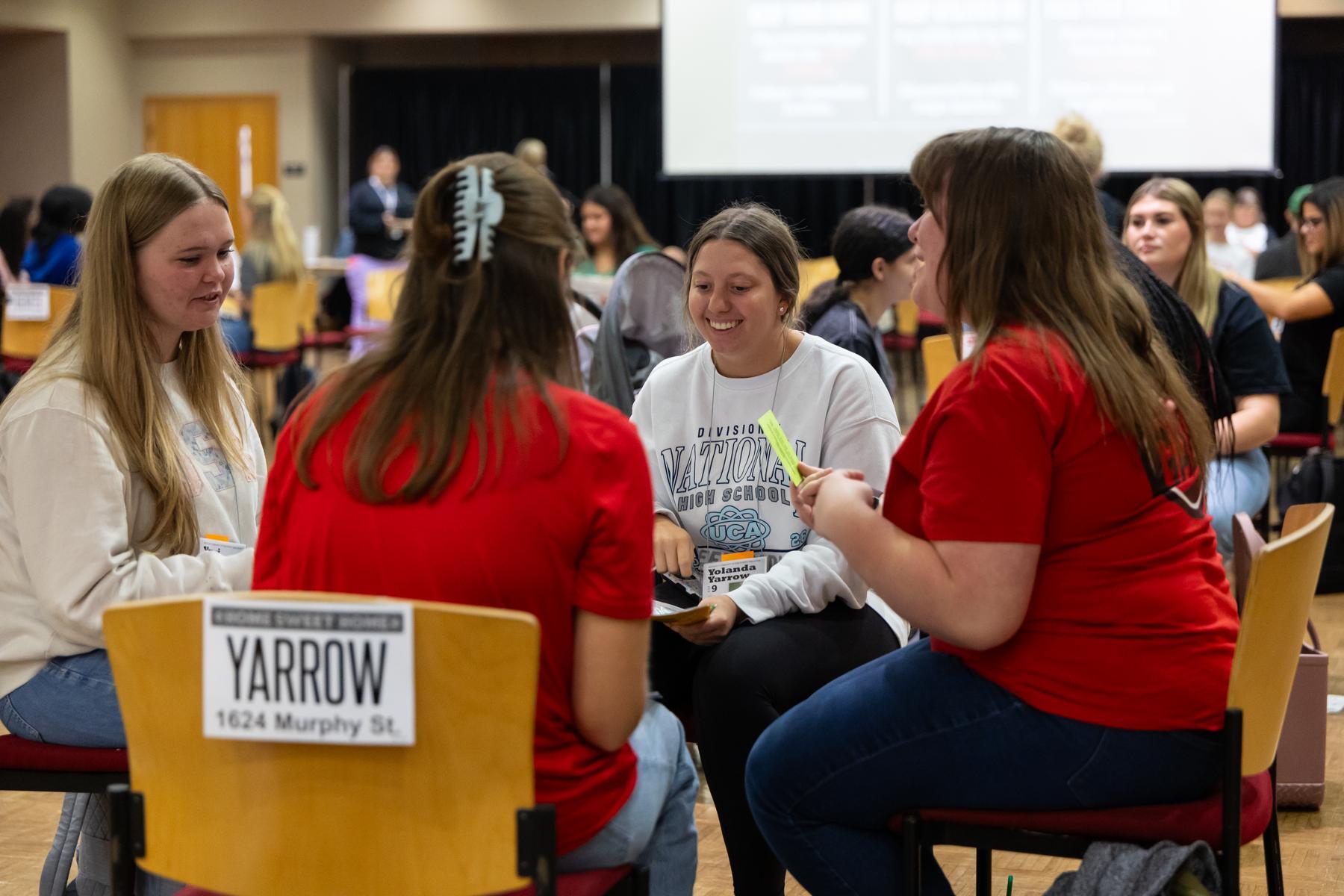
Nearly 150 Austin Peay State University students took on the roles of families experiencing financial hardship during an immersive poverty simulation on Oct. 5, exploring how limited resources can affect access to housing, transportation, healthcare, and more.
Read More
The exhibition will run from Oct. 30 to Jan. 7 at the Customs House, along with a Nov. 7 reception. It features the work of exemplary APSU students alongside faculty, showcasing the range, development, and skill within the Department of Art + Design.
Read More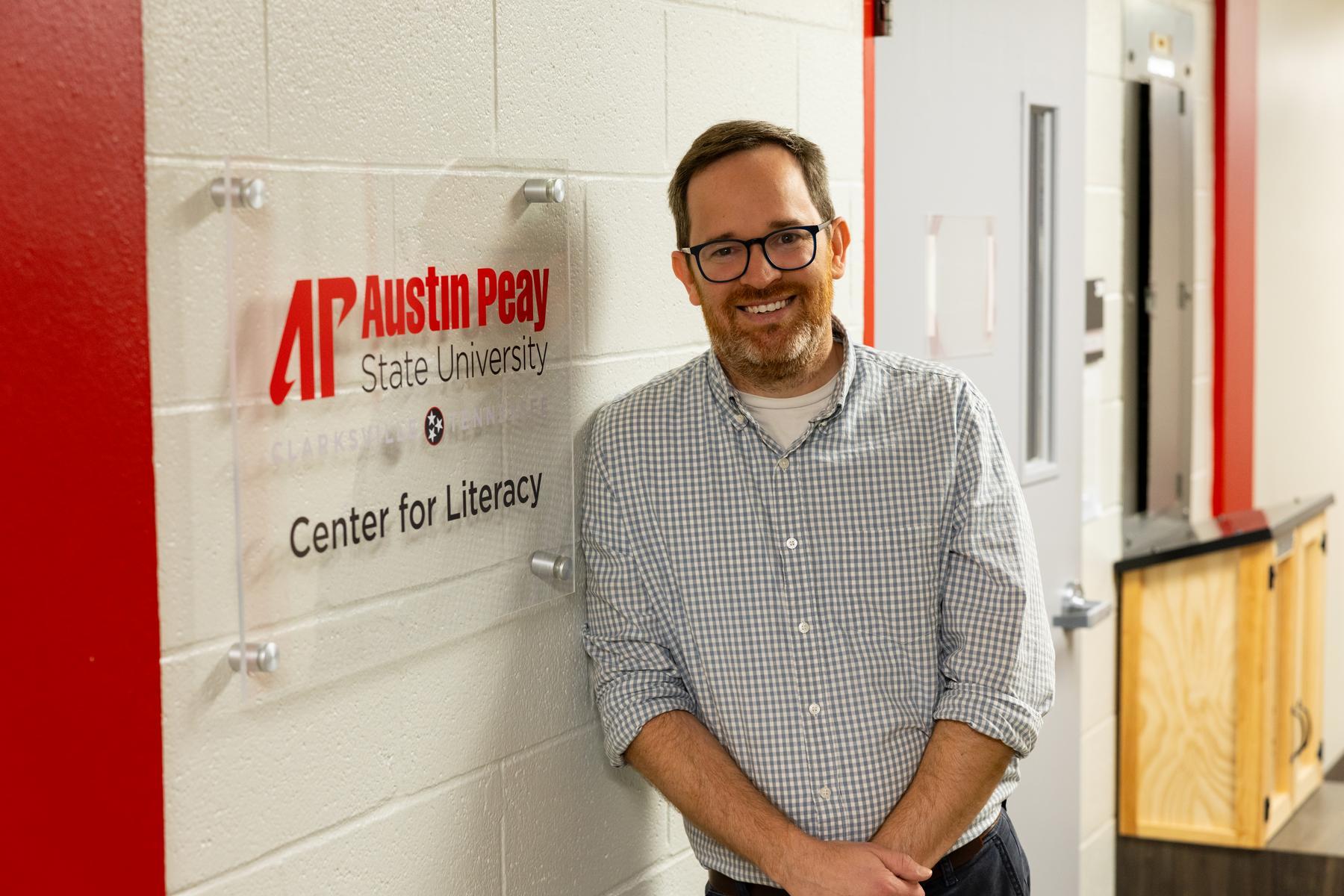
Under the direction of Dr. Zack Barnes, the Center for Literacy will serve as a hub for K-12 educators, teacher candidates, and researchers committed to improving student outcomes through proven instructional strategies.
Read More