


Facilities: Designed for the Sciences
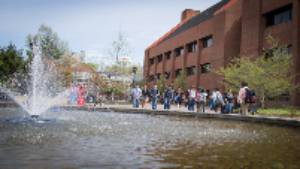 Austin Peay’s science building is one of the South’s premier science teaching facilities,
offering students unsurpassed convenience, safety and educational research opportunities.
The Sundquist Science Center houses the Department of Biology, Department of Chemistry,
Department of Physics & Astronomy, and the Department of Allied Health Sciences.
Austin Peay’s science building is one of the South’s premier science teaching facilities,
offering students unsurpassed convenience, safety and educational research opportunities.
The Sundquist Science Center houses the Department of Biology, Department of Chemistry,
Department of Physics & Astronomy, and the Department of Allied Health Sciences.
- The American Chemical Society approved program requires and encourages student undergraduate research. This $35 M facility has abundant lab space for undergraduate research.
- All chemistry labs have state of the art exhaust hoods so students work safely and comfortably. Hoods are part of the equipment for every student lab desk in the organic laboratory.
- Building air is continually replaced to provide a safe and comfortable environment.
Instrumentation
Our department houses many major analytical instruments that available for hands on use by students throughout their undergraduate education.
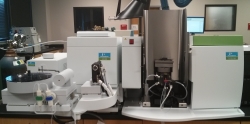
PerkinElmer AAnalyst 400 with HGA 900 graphite furnace
Used to analyze the metal content of liquid samples with high sensitivity.
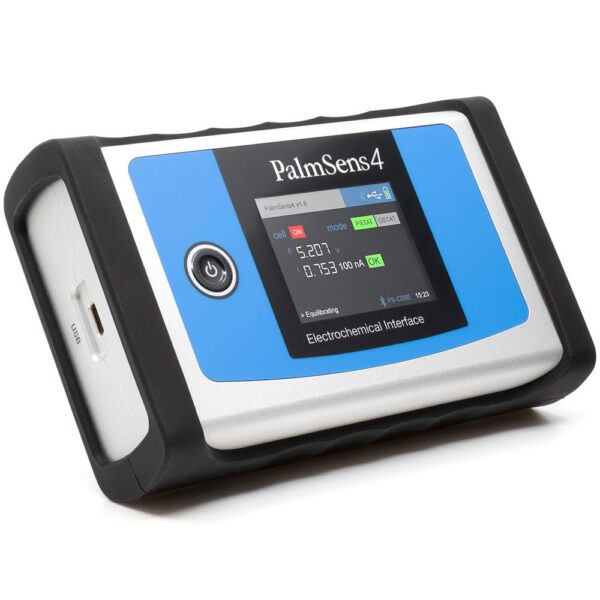
Pine PalmSense4 with cell stand, Faraday cage, and spectroelectrochemical cell
Used to study oxidation-reduction reactions and measure electrochemical properties of compounds.
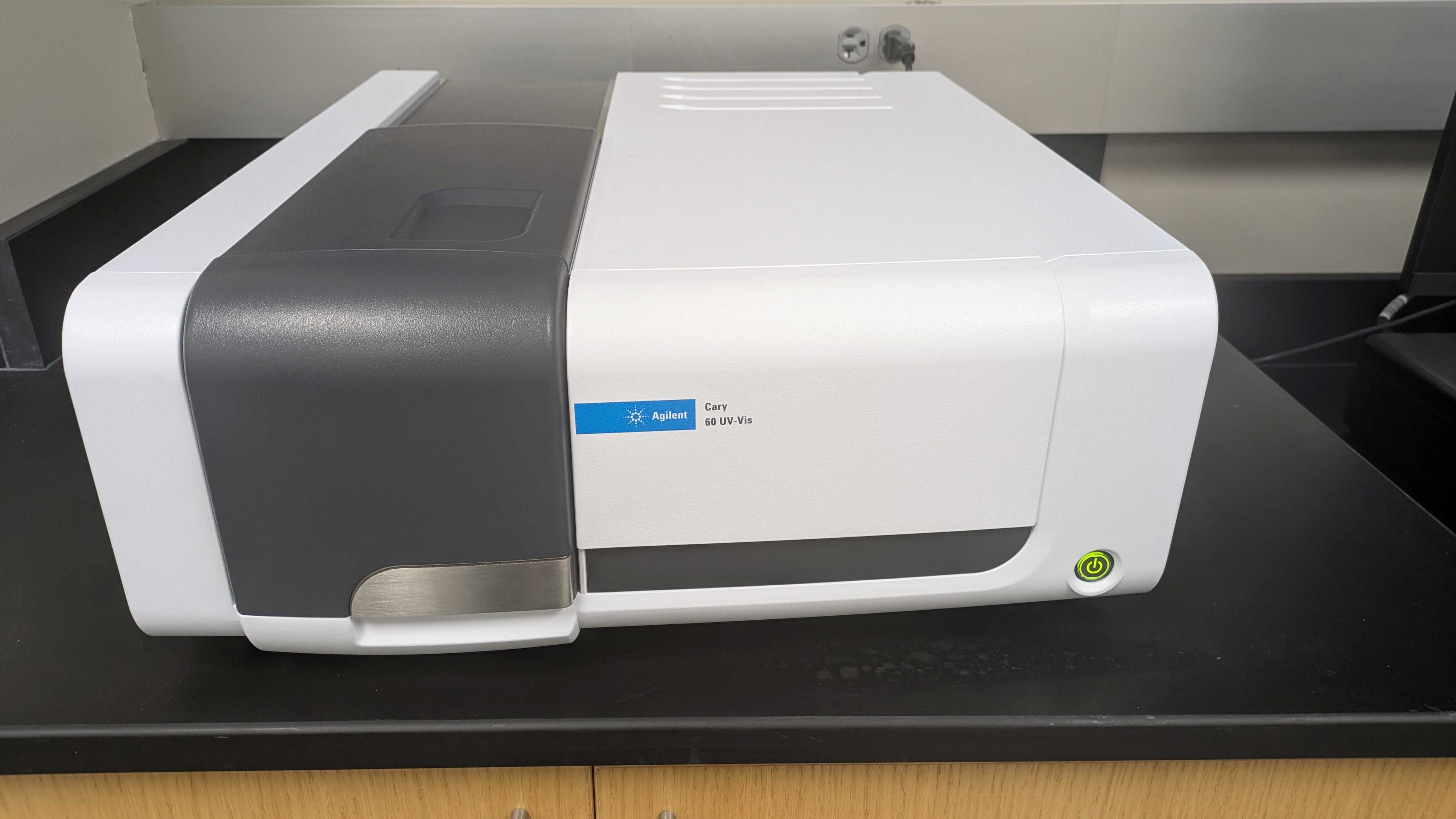
Agilent Cary 60
Used to measure how molecules absorb light in the ultraviolet and visible regions of the spectrum.

PerkinElmer LS 55
Used to detect and measure fluorescent compounds at very low concentrations.
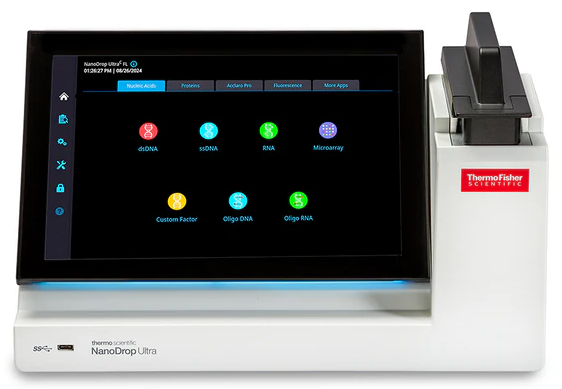 Thermo Scientific NanoDrop Ultra
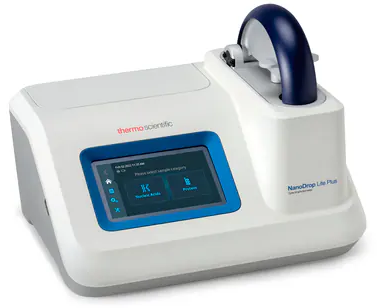 Thermo Scientific NanoDrop Lite
Used to quickly measure the concentration and purity of DNA, RNA, and proteins using only a very small sample volume. The Ultra model is a UV spectrophotometer that is also capable of fluorescence measurements, while the Lite model is only a UV spectrophotometer.
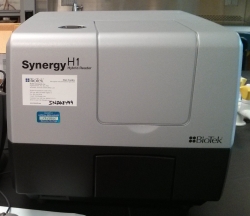
BioTek Synergy H1 Hybrid Reader
Used to rapidly analyze many biological or chemical samples simultaneously using microplates.
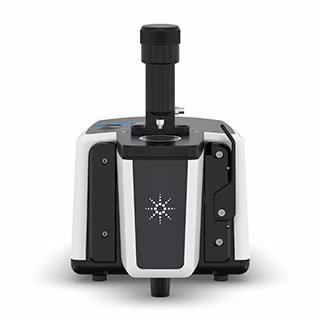
Agilent Cary 630 FT-IR
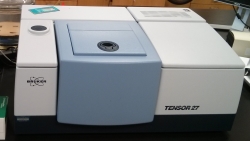
Bruker Tensor 27
Used to identify chemical functional groups and characterize molecular structures using infrared light.
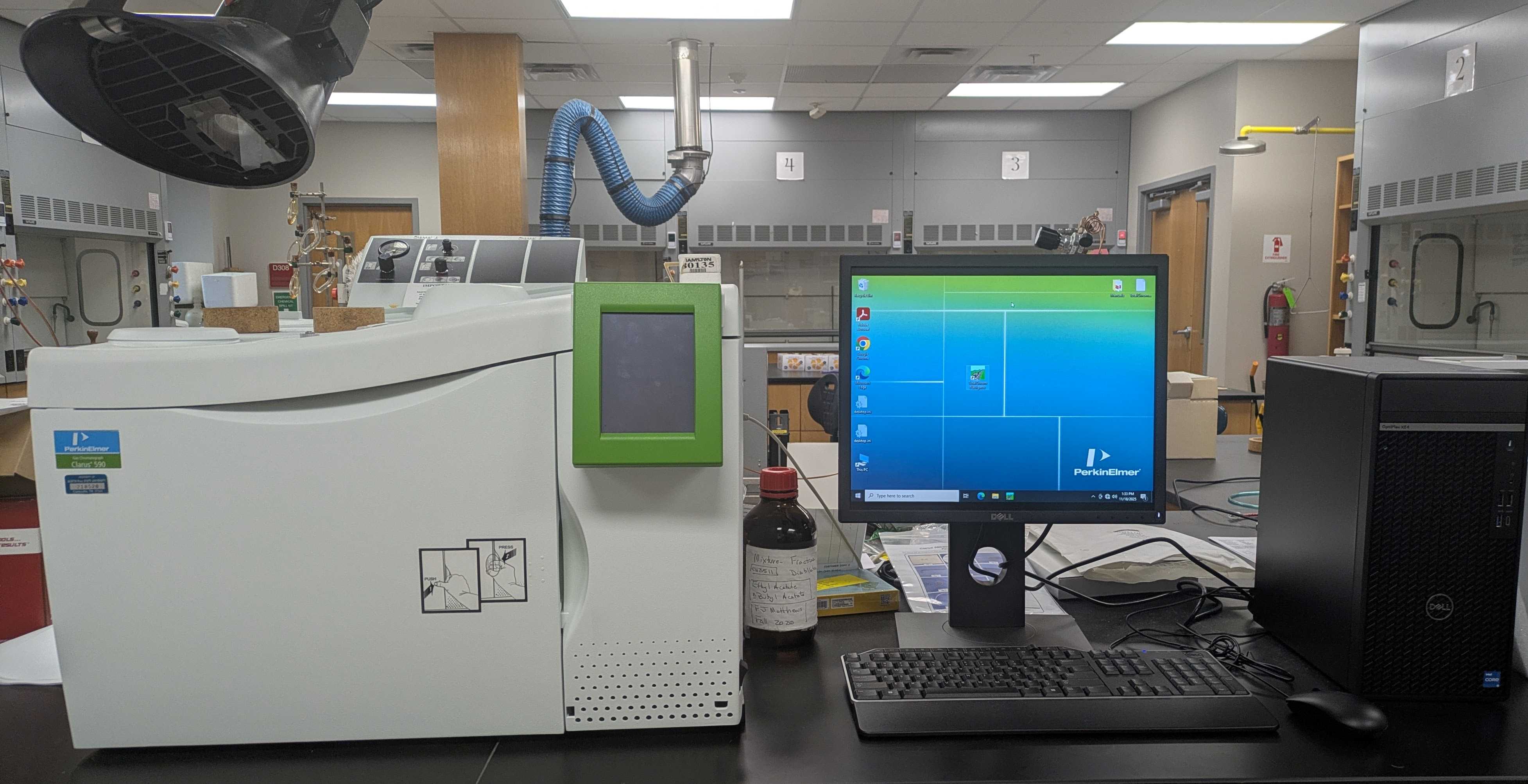
PerkinElmer Clarus 590
Used to separate and analyze volatile compounds in complex mixtures.
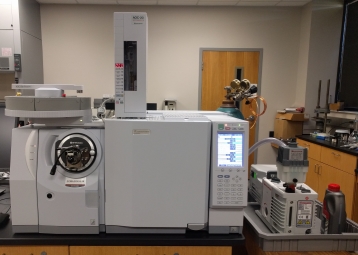
Shimadzu GCMS QP2010 SE, AOC-20s autosampler
Used to separate, identify, and quantify volatile chemical compounds within a sample.
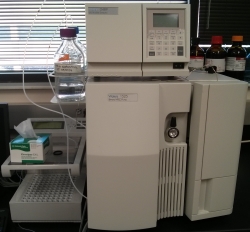
Waters Binary HPLC pump 1525, UV/Vis detector 2489, Fraction Collector III
Used to separate, identify, and purify compounds dissolved in liquid samples.


Many thanks to Aegis Sciences Corporation who donated this instrument to our department!
Leap PAL HTS-xt Autosampler, Shimadzu LC20AD XR Chromatography system with CT0-20AC oven, Sciex 3200 Mass Spectrometer
Used to separate and precisely identify compounds in complex liquid mixtures based on mass.
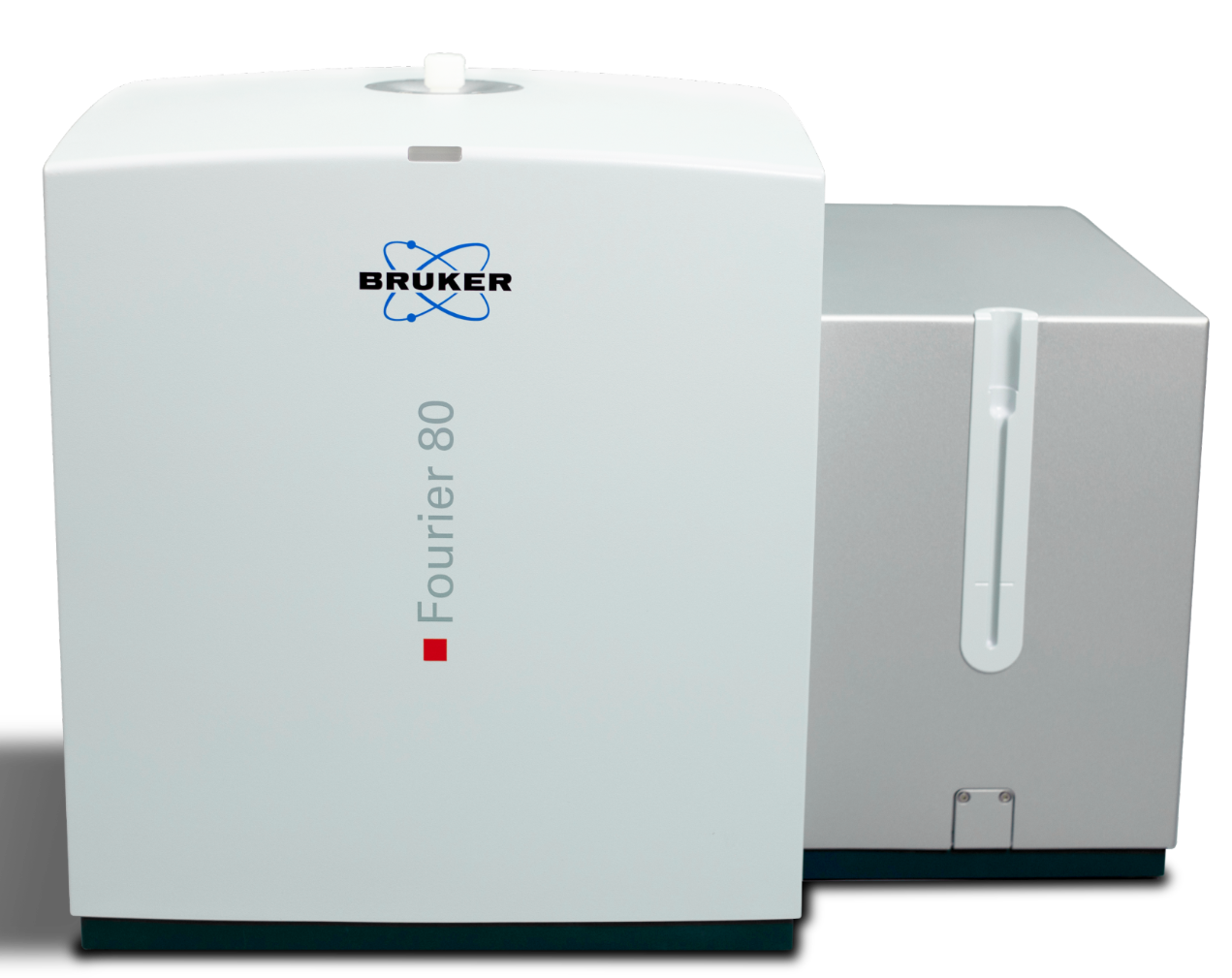
Bruker High-performance Fourier Transform (FT) NMR Fourier 80 spectrometer
Used to determine the molecular structure and chemical environment of organic compounds.

Rigaku MiniFlex 6G benchtop X-ray diffractometer
Used to identify crystalline materials and determine their atomic structure.
Our department often uses APSU's Department of Earth and Environmental Sciences' Hitachi model TM-1000 SEM housed in McCord.
Used to produce highly magnified images of sample surfaces and microscopic structures.
Our students are first introduced to data collection using instrumentation in their first semester of general chemistry. Vernier technology is used in teaching laboratories to collect and analyze real-time experimental data using digital sensors and probes.Our department has the following Vernier probes:
- dissolved oxygen
- Ion selective electrodes (chlorine, calcium, nitrate, ammonium, and potassium)
- Oxidation-Reduction Potential (ORP) Sensor
- Conductivity
- SpectroVis Plus Spectrophotometer
- Mini GC Plus
- UV-VIS Spectrophotometer
Department Map
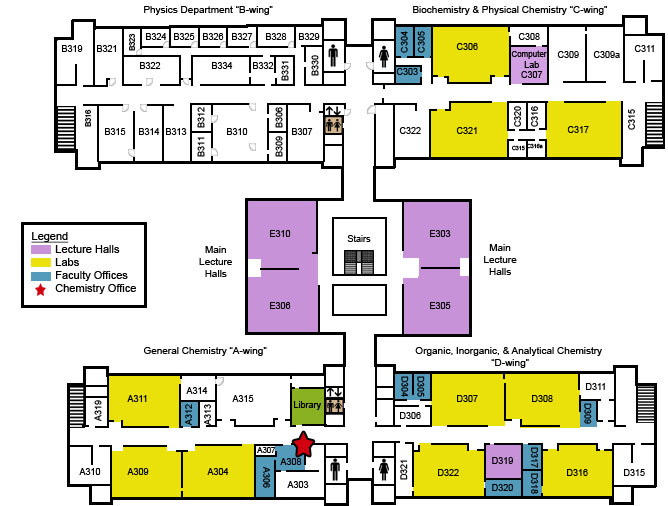
Sometimes it is hard to find the lecture or lab that you are looking for, and even harder to find your professor's office. Please use the below map to help orient yourself to the rooms located in the chemistry department.
The chemistry office is located in A308. If all else fails, find this room and ask Mrs. Bailey Harrison for help!
| Person | Office Location |
| Dr. Carrie Brennan | D318 (Inside D316) |
| Dr. Laura Chamness | C303 |
| Dr. Allen Chaparadza | C304 |
| Dr. Cody Covington | D320 (Inside D322) |
| Dr. Leslie Hiatt | A308 |
| Dr. William Hutcherson | A316 |
| Dr. Meagan Mann | C305 |
| Dr. Fred Matthews | D304 (Inside D307) |
| Dr. Anuradha Pathiranage |
D305 (Inside D307) |
| Dr. Robin Reed | A312 |
| Prof. Derek Vander Molen | D309 |
| Dr. Clifton Watkins | D319 |
| Cord Beck | A316 |
| Bailey Harrison | A308 |
Our department is located on the third floor of Sundquist Science Center (SSC). To find SSC, please view the campus map located here. There are staircases located at the ends of each wing, a central staircase leading up from the lounge area, and two elevators. Once on the third floor, the main lecture halls (room numbers start with E) are found in the atrium area (hint: glass roof). The labs are located in the wings. The B-wing is physics, C-wing is biochemistry and physical chemistry, A-wing is general chemistry, and D-wing is organic, inorganic and analytical chemistry. On the third floor, we have a student lounge area with basic food prep supplies and ample study space. Lab safety rules are upheld in all chemistry lab spaces. Additionally, the third floor has a computer lab in the C-wing that is open for all students when not in use by classes.