


APSU to use $200,000 state grant to help veteran students succeed
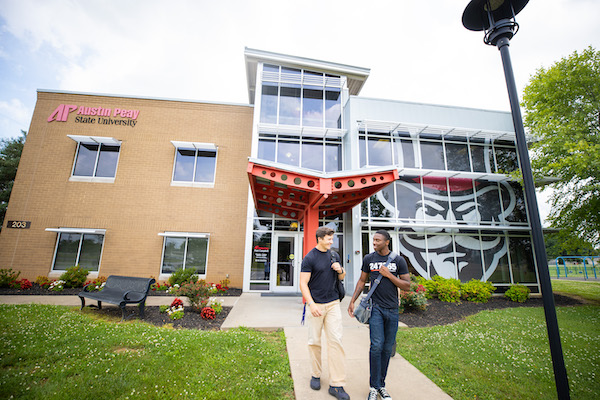
CLARKSVILLE, Tenn. – Earlier this month, the Austin Peay State University College of Behavioral and Health Sciences received a two-year, $200,000 Tennessee Higher Education Commission (THEC) grant to help military veterans succeed in their academic careers at APSU and beyond.
“With this funding from THEC, we’ll continue doing what we do best – serving the state’s military-affiliated students,” APSU President Mike Licari said. “We do that better than anyone, and we’ll use this money in a meaningful way to help more veterans earn a degree and find a fulfilling career. And the research that comes out of this will help military-affiliated students in colleges across the country.”
Austin Peay is the state’s largest provider of higher education to military-affiliated students, with about 25 percent of the University’s students having a military connection. The new THEC grant will fund APSU’s innovative Promoting Access for Veterans’ Educational Success (PAVES) project – a new, collaborative intervention and research program focused on the success of those military-affiliated students.
Through the PAVES project, the University will embed specialized counselors at APSU’s Newton Military Family Resource Center, the Austin Peay Center at Fort Campbell and Clarksville’s Tennessee College of Applied Technology (TCAT). Those counselors – graduate students in APSU’s doctoral (Psy.D.) and master’s (M.S.) programs in counseling psychology – will provide veteran students with free mental health, academic and career counseling.
“Grants like this one are some of my favorite grants where I see our faculty and students engage our community in meaningful and transformative ways,” Dr. Chad Brooks, APSU associate provost for research and dean of the College of Graduate Studies, said. “This grant will help so many of our veteran students and give our counseling students an immeasurable, hands-on, real-world learning experience.”
The counselors at all three sites will be under the supervision of APSU faculty who are contracted licensed psychologists serving as intervention managers for the project.
In the fall of 2000, Austin Peay launched its Doctor of Psychology in Counseling Psychology (Psy.D.) program – the second doctoral degree program in the University’s history – with a concentration in serving military personnel, veterans and their families. Through that program, the Department of Psychological Science and Counseling now offers a public clinic in the former Wesley Foundation Building on College Street to provide vital counseling services to the area’s military and civilian communities. This grant allows the department to expand its services around the area, including the local TCAT site.
“Austin Peay and TCAT have a wonderful relationship where we both work hard supporting the community by providing high-quality education and training programs and this grant takes it a step further by leveraging Austin Peay’s counseling students and faculty by providing greater support and engagement to our veteran students,” Brooks said.
For information on the Psy.D. program, visit https://www.apsu.edu/psychology/psyd/index.php.
News Feed
View All News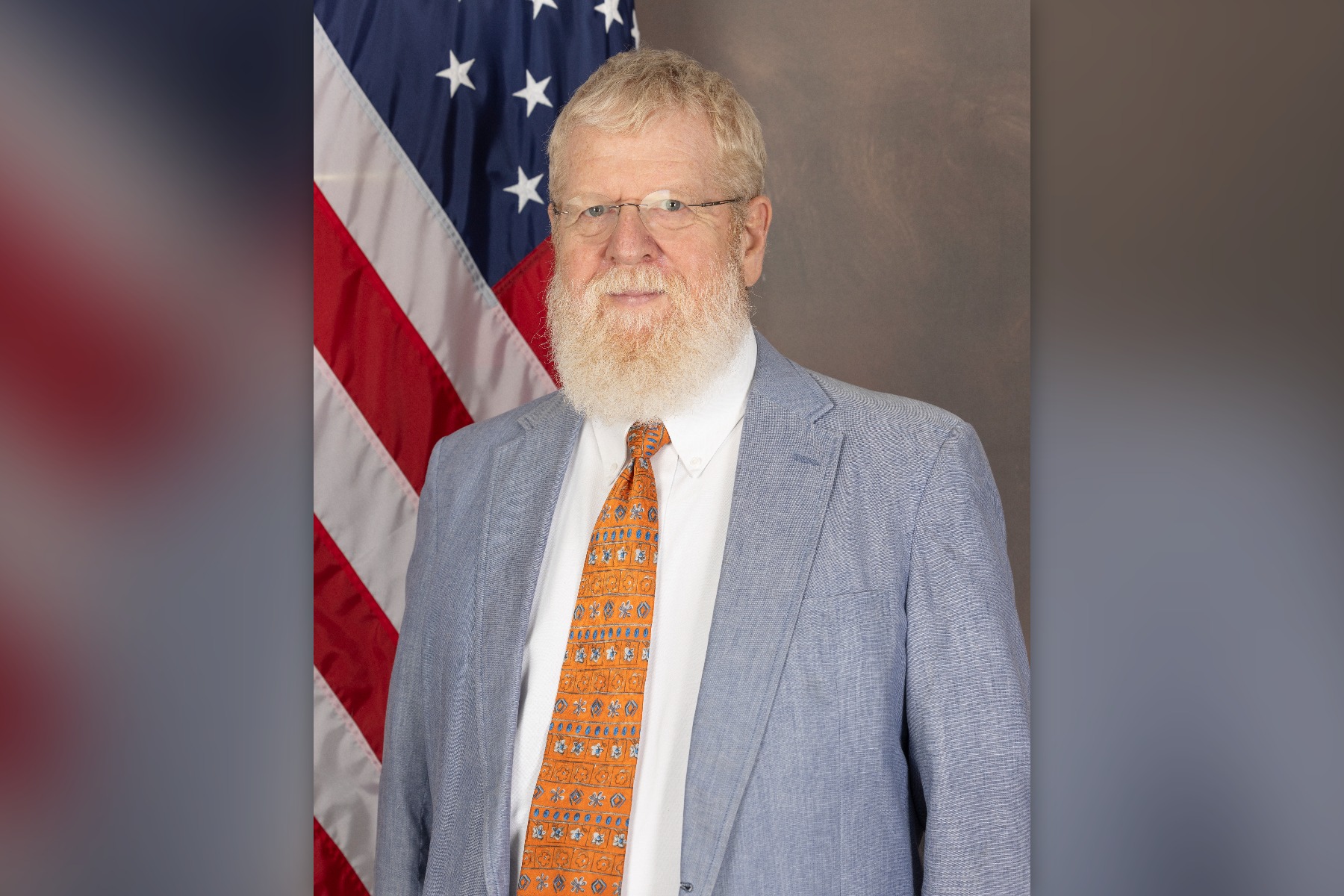
Dr. John W. Steinberg, an Austin Peay State University professor of history and one of the world's leading authorities on Russian military history, is spending the 2026-27 academic year teaching cadets at the United States Military Academy at West Point as the Charles Boal Ewing Chair in Military History.
Read More
Austin Peay State University has received a gift from Sharon A. Dunn ('73), a College of Business graduate, to establish the KY Tri-County College of Business Scholarship Endowment, giving first preference to students from Todd, Christian, and Trigg counties in Kentucky.
Read More
The Department of Physics, Engineering and Astronomy has announced two free Public Observatory Nights this fall at the Coleman Tractor APSU Farm Powered by Kubota, with sessions on Oct. 17 and Dec. 19 open to stargazers of all ages.
Read More