


Austin Peay sends first-ever ROTC cadet to Jungle Warfare School
(Posted Oct. 3, 2019)
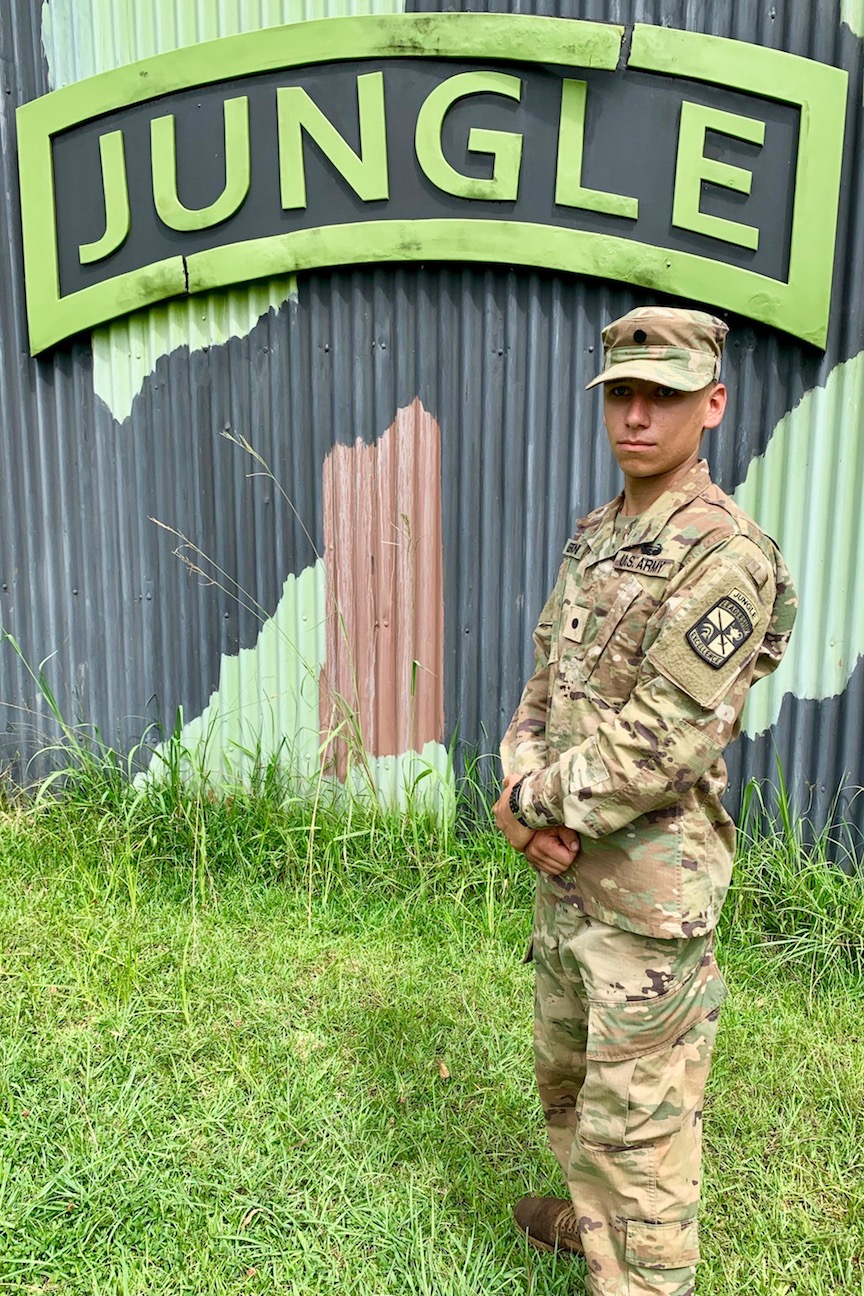
Austin Peay cadet Jakob Bertoni had one week to relearn everything he was taught in ROTC before being dropped into the Hawaiian jungle.
“All the tactics you learn in ROTC or at Fort Campbell is pretty much useless in the jungle.” Bertoni, a senior history major, said. “You can’t even see the guy in front of you.”
Bertoni is the first Austin Peay cadet to attend the Army’s 20-day survival program.
In the years following 9/11, the U.S. Army moved its focus away from jungle warfare training, but according to the Associated Press, that changed in 2013 when the Army set up shop at Hawaii’s Schofield Barracks.
The First Week: ‘It destroys you’
During the first week this summer, Bertoni quickly learned jungle survival skills, such as how to create rope bridges for crossing treacherous rivers. He also completed a 5k run with a dummy rifle, full uniform and 10-15 pounds of gear.
“It destroys you,” Bertoni said. “You’re just exhausted by the end.”
Other exercises included:
- Cadets in full gear sinking to the bottom of a pool, stripping off the gear and returning to the surface.
- Cadets trying to complete a 15-meter dive without dropping their rifles.
- Cadets in full gear trying to tread water for 10 minutes.
If a cadet fails an exercise, they get another chance. If they fail again, they go home.
“We lost five or six people that way,” Bertoni said.
Bertoni had his own struggles to overcome that first week.
“I failed the one-rope bridge,” he said. “One of the carabiners flipped upside down.
That’s how technical they were. I had to retest, and I got it perfectly the second time.”
The Second Week: ‘We saw how chaotic the jungle was’
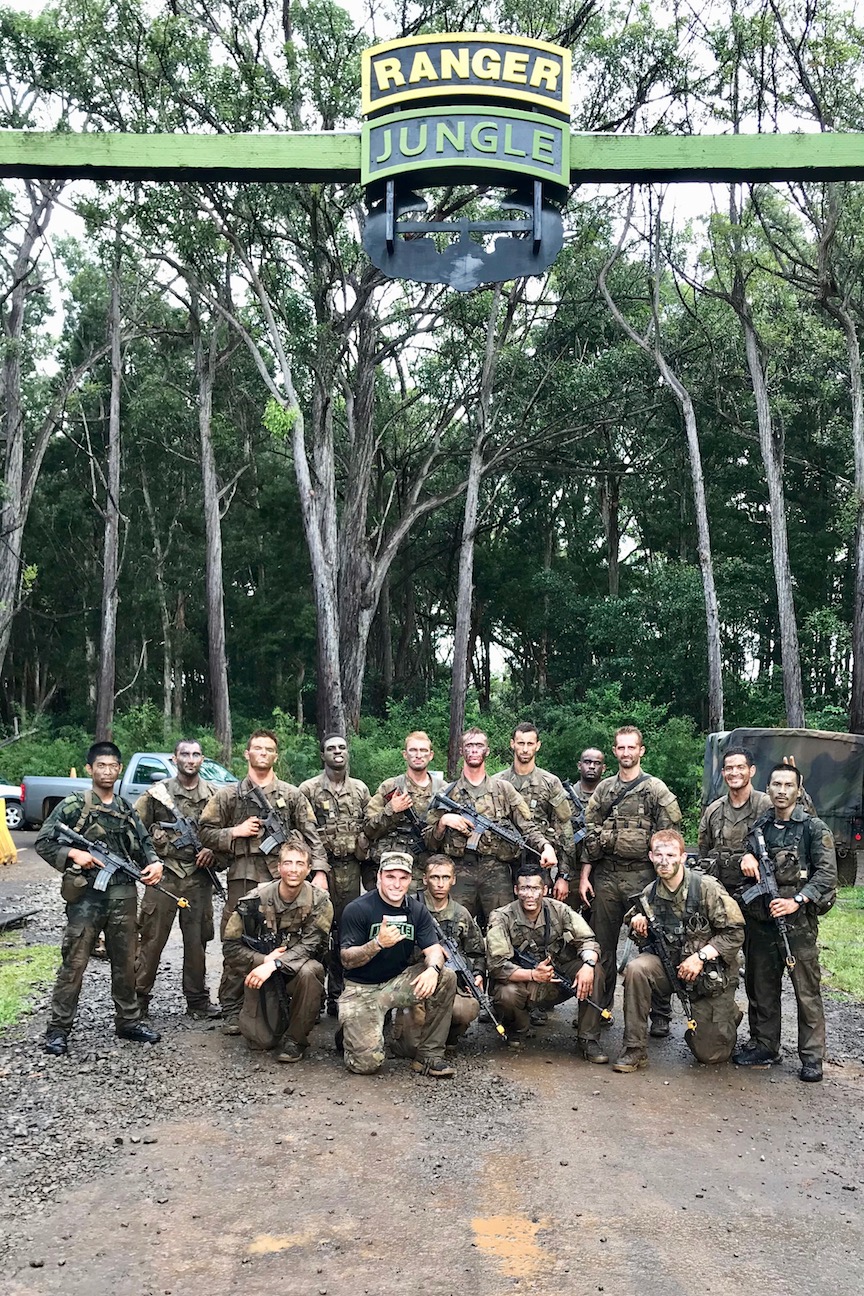
During week two, Bertoni learned how a squad moved in the jungle.
“There’s classes on moving through the jungle,” he said. “Moving through the jungle as a platoon is nearly impossible. You can’t move like that (in the wedge formation he was used to) through that dense vegetation.”
Most of the exercises were “movement to contact,” he said. “The commander would say, ‘go from here to here and on the way, you’re going to get shot at by four guys and then you’re going to react to contact using one of the methods we taught you in class."
“That’s when we really saw how chaotic the jungle was,” Bertoni said.
Bertoni and his team survived in the jungle for over 36 hours.
“We found raw ginger and cut it up and tried to eat it,” he said. “It’s like a super dry carrot. It doesn’t taste very good. It’s definitely not ginger cookie.”
Bertoni decided to be the first Austin Peay cadet to attend the school because “it was something I didn’t really know about. I tried to find as much information about it as I could, and I really couldn’t find a lot. I wanted to broaden what I know and what this school could teach me that I could use later in life.”
Bertoni said his experience with prior service members at Austin Peay and Fort Campbell was invaluable.
“They just have all this knowledge,” he said. “You can tell a difference immediately between cadets and someone who’s enlisted. We all have our … I don’t want to say innocence … we just don’t know what we’re doing. We’re naive. So being able to work with a bunch of prior service guys was really easy for me. I just kind of blended right in.”
To learn more
- For more about Austin Peay's ROTC program, go to https://www.apsu.edu/rotc/.
News Feed
View All News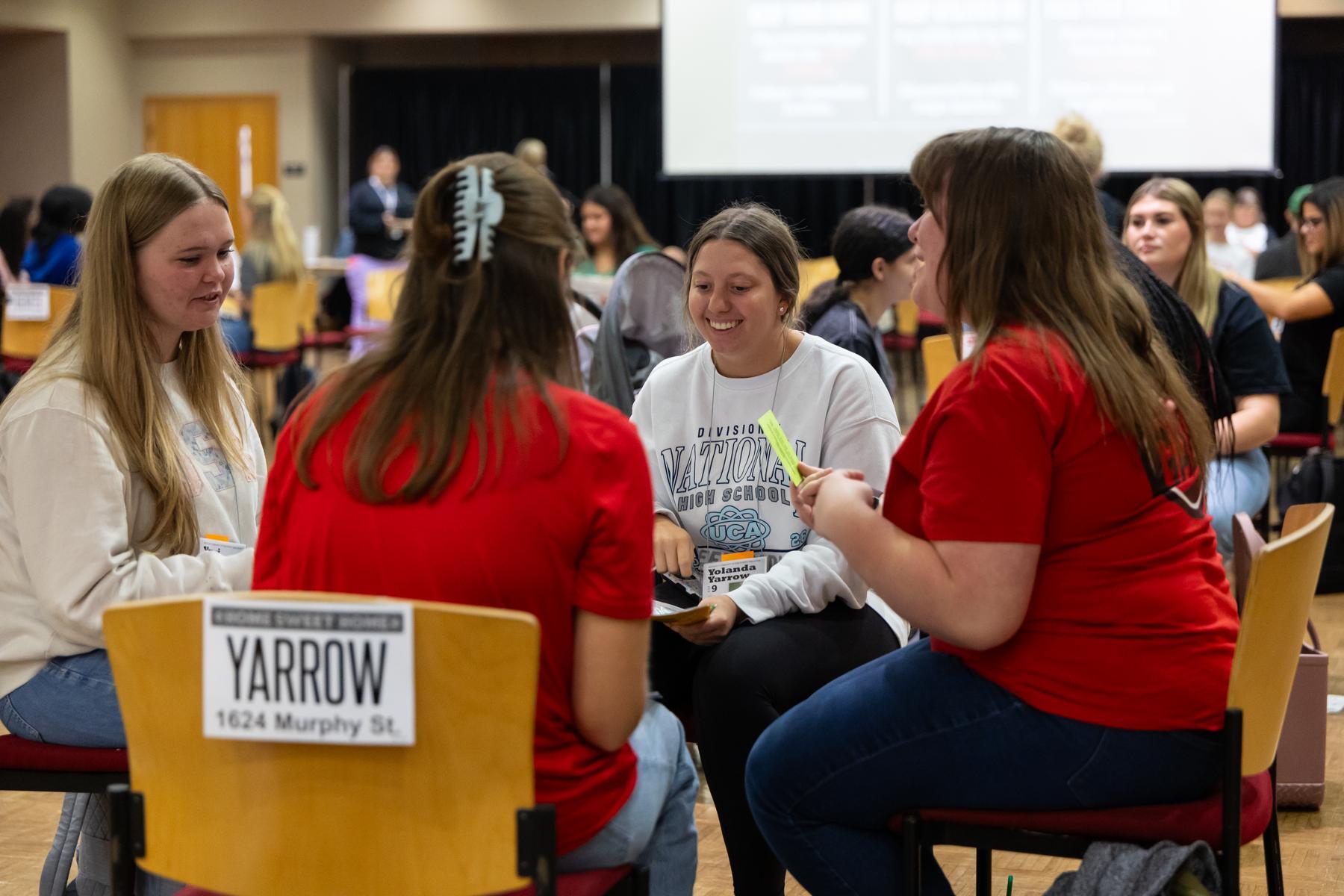
Nearly 150 Austin Peay State University students took on the roles of families experiencing financial hardship during an immersive poverty simulation on Oct. 5, exploring how limited resources can affect access to housing, transportation, healthcare, and more.
Read More
The exhibition will run from Oct. 30 to Jan. 7 at the Customs House, along with a Nov. 7 reception. It features the work of exemplary APSU students alongside faculty, showcasing the range, development, and skill within the Department of Art + Design.
Read More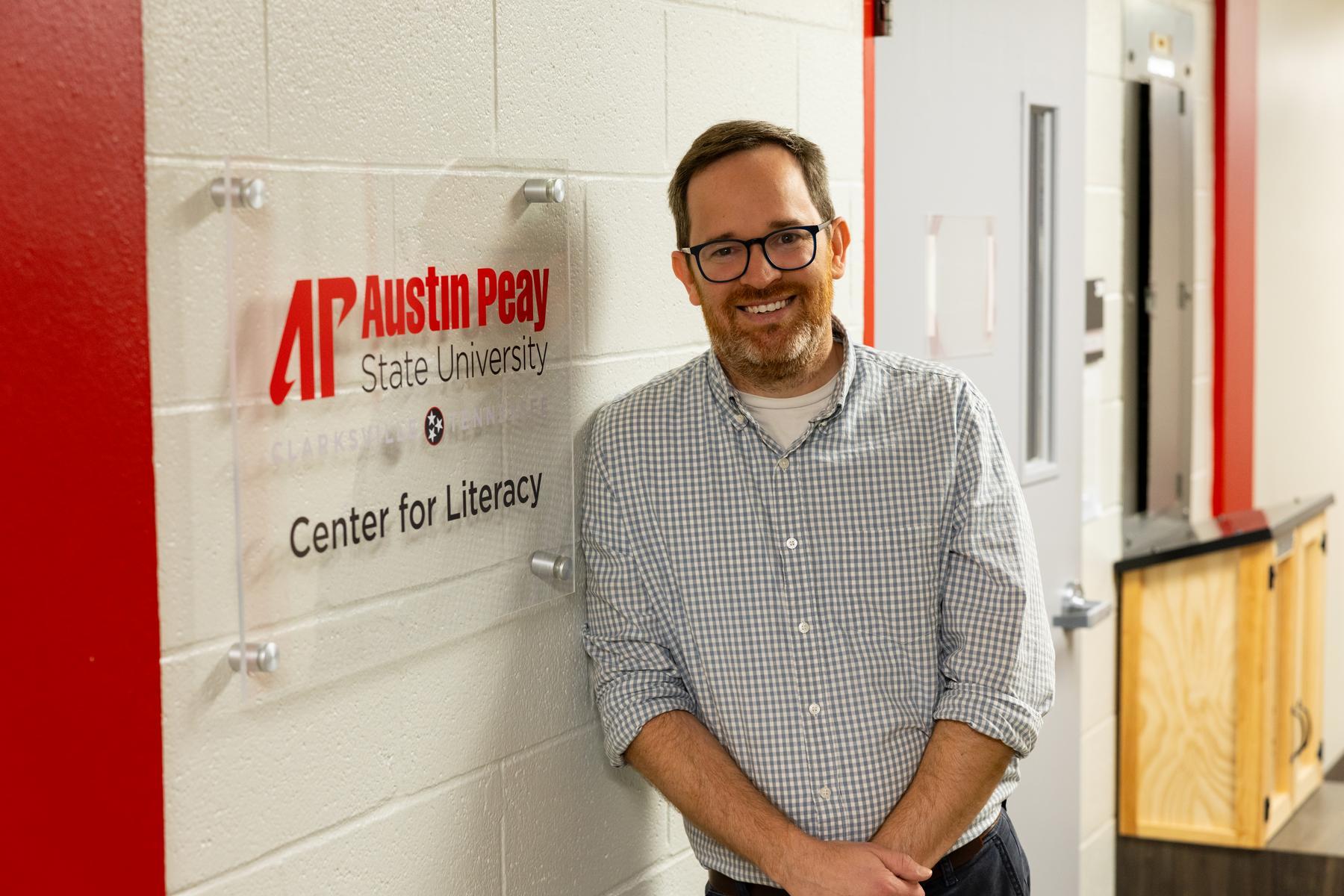
Under the direction of Dr. Zack Barnes, the Center for Literacy will serve as a hub for K-12 educators, teacher candidates, and researchers committed to improving student outcomes through proven instructional strategies.
Read More