


APSU nursing faculty say ‘Gut-brain axis’ is redefining our understanding of depression
By: Seth Riker June 15, 2026
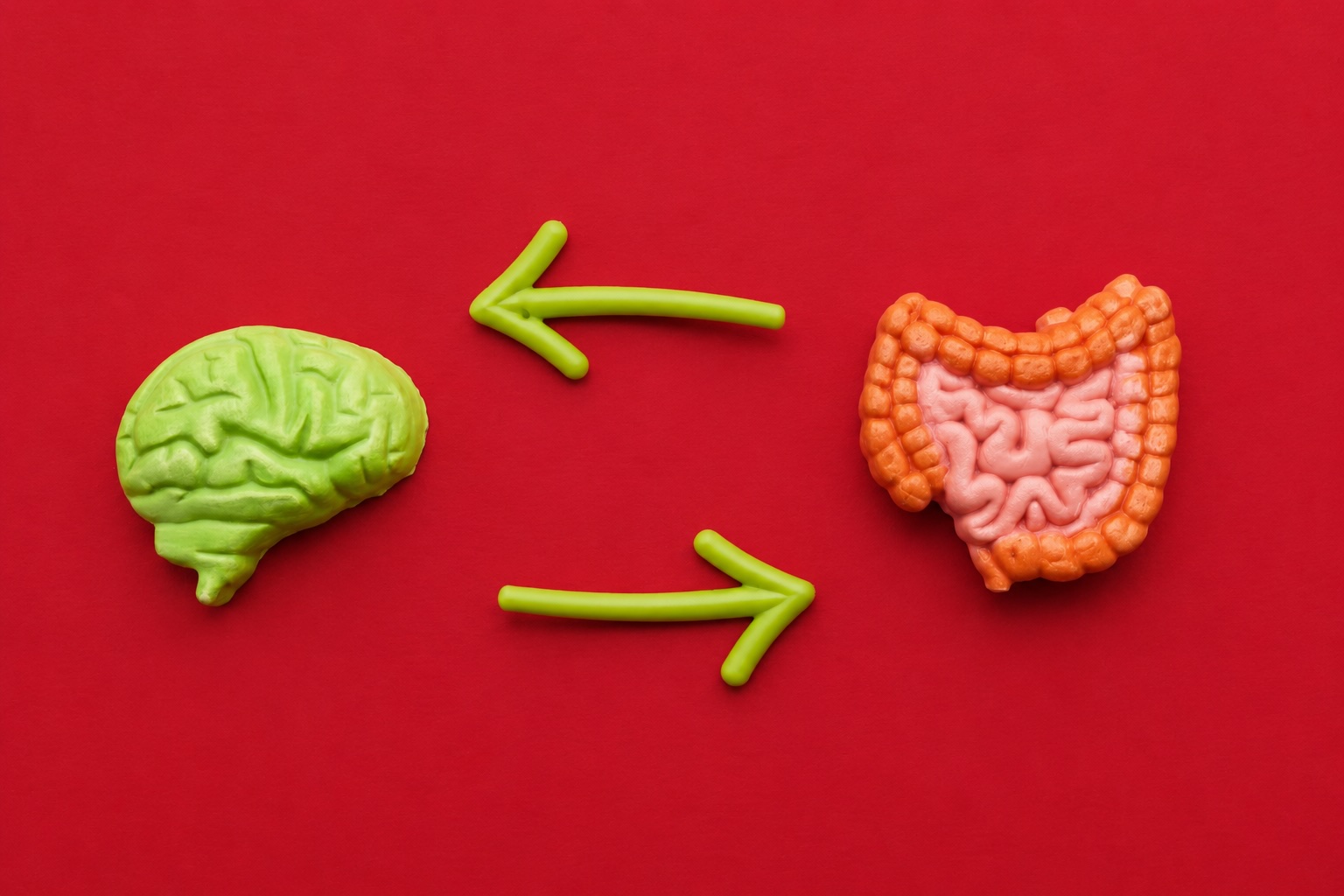
Emerging research suggests that constant communication between the gut and brain affects mental health, which could advance the holistic treatment of conditions like depression.
CLARKSVILLE, Tenn. - What if depression isn't only a matter of the mind?
For decades, conversations about depression have focused primarily on the brain. But growing research suggests another part of the body may play a larger role in mental health than many people realize: the gut.
In a recent article published in the American Nurse Journal, Austin Peay State University School of Nursing faculty members Dr. Debra Rose Wilson and Dr. Leslie Binford examine the emerging science behind the relationship between the gut microbiome and depression, offering nurses and healthcare professionals a closer look at what researchers call the "gut-brain axis."
The gut microbiome consists of trillions of microorganisms living throughout the digestive system. While these microbes are best known for supporting digestion, researchers increasingly believe they may also influence mood, inflammation, immune function, and the production of neurotransmitters that help regulate emotional well-being.
"Many people think of mental health and physical health as separate issues, but the body doesn't work that way," Wilson said. "Research continues to reveal how closely connected our systems really are. The gut and brain are constantly communicating, and we're learning that those conversations may play a meaningful role in overall health."
Depression affects millions of Americans each year and remains one of the most common mental health conditions worldwide. While traditional treatments such as therapy and medication are vital, researchers are exploring how factors like nutrition, inflammation, sleep, exercise, and gut health may contribute to a more complete understanding of mental wellness.
Wilson and Binford note that the gut microbiome helps regulate inflammation and produces many of the compounds involved in gut-brain communication. Disruptions to this ecosystem, known as dysbiosis, have been linked to depressive symptoms and other mental health concerns.
For healthcare providers, these findings reinforce the importance of viewing patients holistically rather than focusing on a single symptom or diagnosis.
"For nurses, this research reinforces the value of looking at the whole person," Binford said. "When we consider factors such as nutrition, sleep, stress, physical activity, and overall health alongside emotional well-being, we're better equipped to support patients and help them achieve healthier outcomes."
While scientists continue exploring the relationship between the gut microbiome and depression, many habits for a healthier gut are already well established.
According to Wilson and Binford, eating a diverse diet rich in fruits, vegetables, whole grains, and fermented foods can help support a healthy microbiome. Regular physical activity, adequate sleep, stress management, and avoiding unnecessary antibiotic use may also contribute to a healthier balance of gut bacteria.
"The exciting thing about this research is that it reinforces many of the healthy habits we already encourage," Binford said. "Taking care of your body through nutrition, movement, sleep, and stress reduction doesn't just benefit physical health. It may also support mental well-being."
Researchers caution that probiotics and dietary changes should not replace professional mental health treatment. Instead, they represent one piece of a broader approach to health that recognizes the body's interconnected systems.
Microbiome research is still evolving, and many questions remain unanswered. However, the findings underscore a message that healthcare professionals have increasingly embraced: mental and physical health cannot be neatly separated.
"The real takeaway isn't that the gut causes depression," Wilson said. "It's that our bodies are far more connected than we once believed. When we care for the whole person, we create more opportunities for better health."
About the School of Nursing
The Austin Peay State University School of Nursing prepares compassionate, highly skilled nurses through rigorous academics and clinical training. Part of the College of Behavioral and Health Sciences, the program is recognized for its commitment to community impact and its driving motto: Kindness Matters.