Science on Tap to explore the myths, mysteries and manhunts of mapping and GIS

When Science on Tap returns to Strawberry Alley Ale Works on March 7, Dr. Mike Wilson, director of the GIS Center at Austin Peay State University, will discuss not only the history of mapping, but he'll also delve into how modern GIS adds to visualization and telling stories.
During the presentation, Wilson will discuss the mapping of mythical creatures such as the yeti and Dracula, the history of "Here Be Dragons," "the longitude problem," John Snow and his revolutionary mapping work to fight a cholera epidemic in 1854 in London and Ernest Shackelton's failed exhibition in 1915.
“Lastly, I will discuss some of the interesting work we've done at the GIS Center that includes manhunts, missing children and disasters,” he said.
Notably, the GIS Center played a pivotal role in capturing Kirby Wallace in 2018 and aiding Waverly during the devastating floods of 2021.
The presentation – titled “Myths, Mysteries and Manhunts: Mapping and GIS” – will start at 5:30 p.m. on Tuesday, March 7, at Strawberry Alley. This month's presentation will be at Upstairs at Strawberry Alley.
Science on Tap meets at 5:30 p.m. on the first Tuesday of every month during the academic year, bringing together two great things: science and local brews. Austin Peay’s College of Science, Technology, Engineering and Mathematics hosts Science on Tap.
News Feed
View All News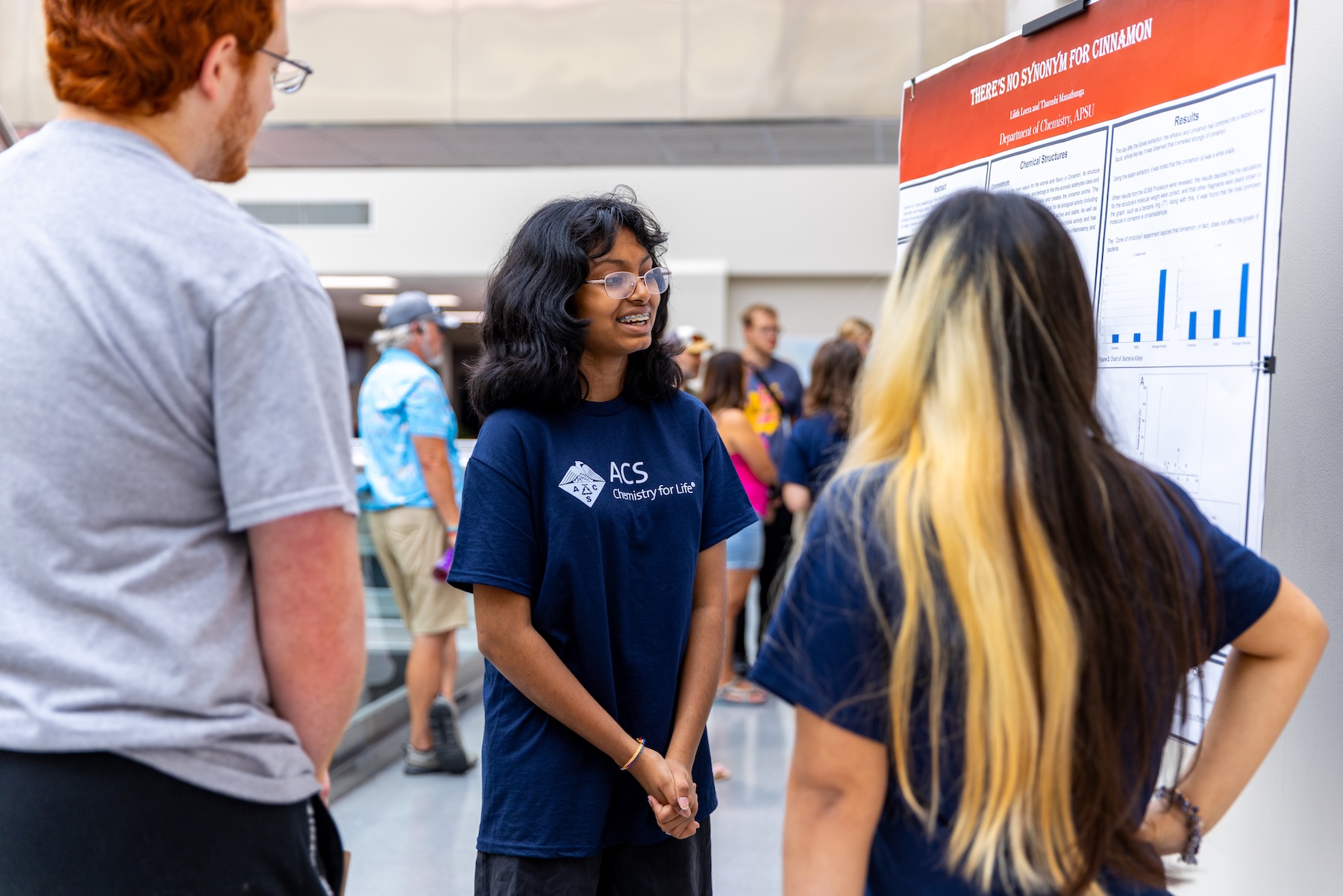
Austin Peay State University's Department of Chemistry hosted its first research-focused camp for middle and high school students from July 27-31, giving eighth through 12th graders hands-on experience extracting natural compounds and exploring their potential medicinal properties in a university lab.
Read More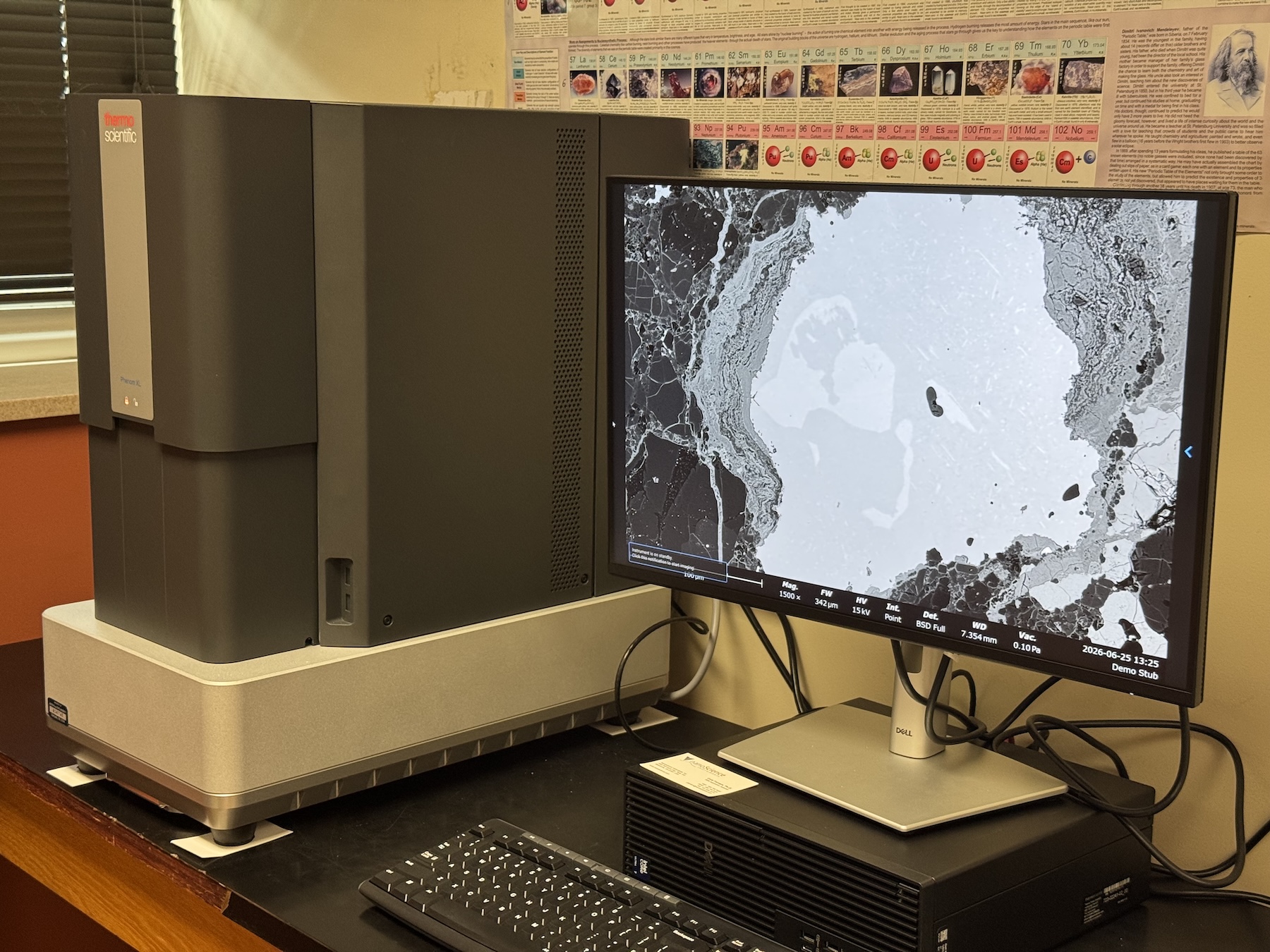
The Department of Earth and Environmental Sciences has acquired a new scanning electron microscope, giving students publication-quality imaging and chemical analysis capabilities -- including the chance to study meteorites -- previously accessible only at major research institutions.
Read More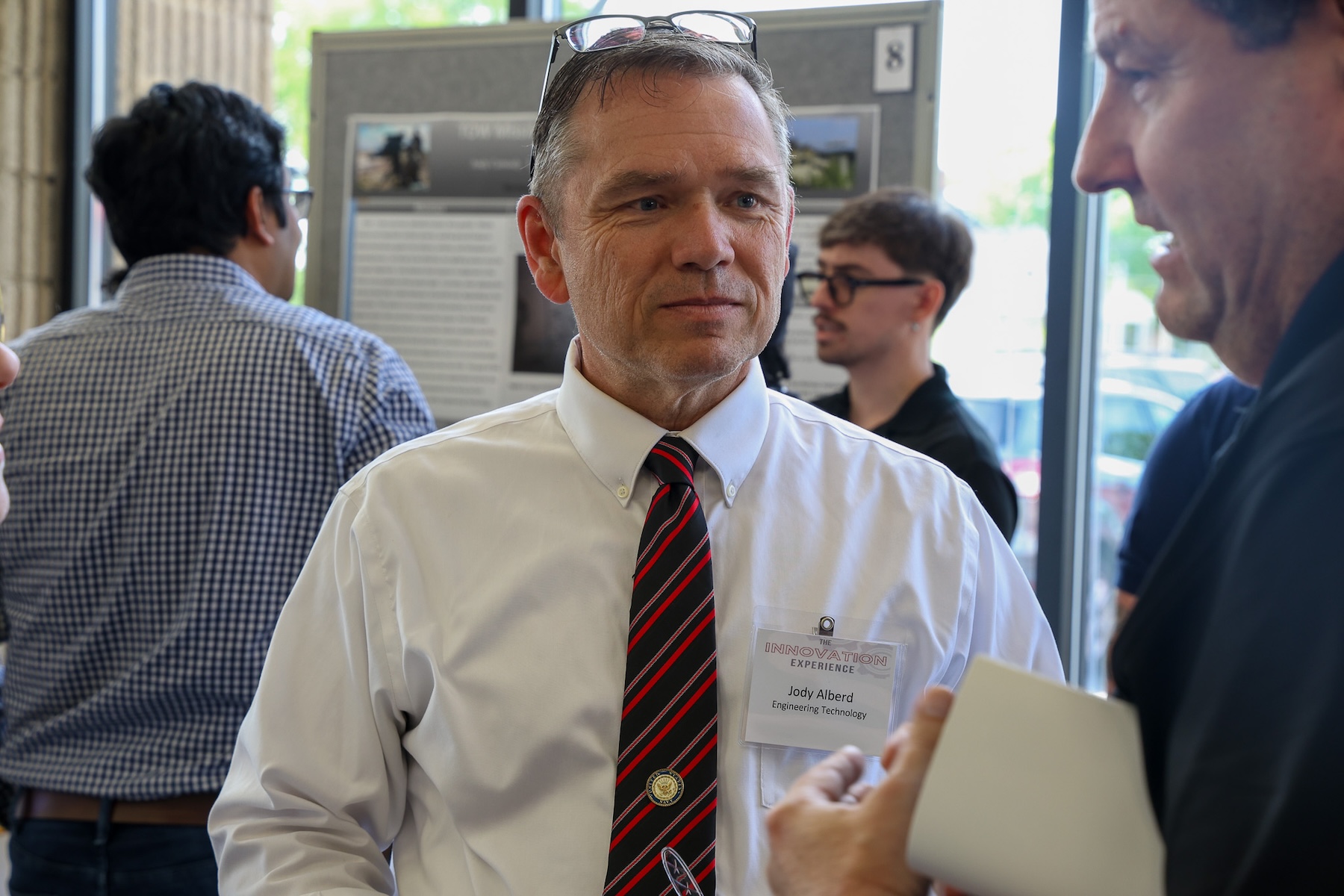
Jody Alberd, a Navy veteran and assistant professor in the Department of Engineering Technology, has earned his first National Science Foundation grant as principal investigator to study how student veterans develop their engineering identity during senior capstone design projects.
Read More