


APSU professor experiences COVID-19 pandemic up close in Belize

CLARKSVILLE, Tenn. – On a sweaty afternoon in early March, Dr. Harold Young, Austin Peay State University assistant professor of political science, found himself dumped by a taxi on a street in Chetumal, Mexico, near that country’s southern border with Belize. Despite being only a few miles from the Caribbean Sea, the humid, sub-tropical breeze provided little relief as Young, exhausted from his long journey, walked toward the border, dragging his suitcases behind him.
“At Mexican immigration, they didn’t care about me because I was leaving their country,” he said.
Belize had closed its borders to foreigners because of the COVID-19 pandemic, but Young had a passport from that country.
“There’s a river border, and I walked across it on a bridge, three quarters of a mile, to the Belizean outpost,” he said. “It was completely deserted. It’s 3 p.m. in the afternoon, and there’s literally nobody.”
The coronavirus had turned this nation – a popular tourist destination – into something like a ghost town. Eventually, after getting his temperature checked and traveling another two hours south, Young made his way home. He’d spend two weeks in self quarantine, but over the next several months, he’d get to see how close and personal a pandemic can be in a small country like Belize.
Returning home for the pandemic
Young spent most of his youth in the Caribbean, attending primary and high school in Belize and earning his law degree from the University of the West Indies/Norman Manley School of Law in Jamaica. He ended up practicing criminal, business and real estate law in Belize City before transitioning to a 16-year career in public health. Then, at the age of 47, he decided to earn his doctorate in political science from Georgia State University.
Story continues below video
In 2016, Young joined Austin Peay’s Department of Political Science and Public Management. Four years later, in the midst of the spring 2020 semester, the COVID-19 pandemic caused the University to move all classes online. Young, now able to teach his classes anywhere, petitioned and was allowed to return to his family home in Belize City.
After a long journey of indirect flights, taxis and walking, he finally made it home. But that first night in the country, when Young stopped at a toll booth on his way home, he realized not everyone in this tourist-loving country was happy to see him.
“I was so relaxed, and I apologized to the guy that I didn’t have any Belize money yet, only U.S.” Young said. “He told me, ‘Wait a minute. You just got here? You’re the ones bringing this thing in!’ We ended up in a shouting match. There was a lot of suspicion about people coming back.”
Strange new world
In 1954, Young’s parents built their home in Belize City, and last summer the APSU professor renovated it for his returns during semester breaks. The large yard provided some comfort during his two-week self-quarantine, which he spent finishing up his online Fall courses, talking with neighbors, reading up on local news and writing articles for the Amandala – “Belize’s Leading Newspaper.”
The country had mandated a curfew, social distancing and the wearing of face masks. Businesses closed and feeding programs were set up for the growing number of unemployed workers. There were lines everywhere for everything.

“Tourism is 40 percent of the economy, so literally in a day or two, 40 percent of the economy just shut down,” he said. “Belize is small, so (the pandemic) is very immediate. I don’t see the unemployed in the United States. Here it’s very apparent. It’s close. Everybody knows everything that’s going. Everybody knew who patient one was. You can hear people talking about it. But it’s not scary. In a way I’m kind of comforted. You know that people are aware and taking it seriously.”
Belize today
During Young’s previous career in public health, he worked for a company that was located within the U.S. Centers for Disease Control and Prevention’s Atlanta compound. That experience allowed him to view the situation in Belize with a more critical eye. Initially, the news sounded good as after the first 19 cases, the country went 51 days without a confirmed case. As of June, there have been only 21 cases with two deaths.
But, as Young put it, the nation is in a fragile situation.
“To show how fragile it is, the whole public health system in Belize has a maximum of 300 beds, which are 80% plus occupied,” he said. “There are less than 30 ventilators in the country. It wouldn’t take a lot of people being really sick to start to affect the system really quickly. We don’t need 20 cases. Twenty people sick would create quite a problem.”
That’s why it’s so concerning whenever he reads the news about what’s happening in the U.S. – his second home and his primary residence. The growing number of cases there will likely influence what happens in Belize. The one international airport remained closed, ending all airline services to U.S. tourists.
“Belize is small, and these smaller countries have a saying,” he said. “‘When the United States sneezes, we get pneumonia.’”
Still, as Young wrote in one of his newspaper articles, this pandemic might help push Belize to a better future.
“We need to stop playing around with technology,” he said. “I wrote about that. Let’s use technology more efficiently and effectively. Let’s make the leap.”
In August, if the borders remain closed, Young will again set out on a long journey north, bringing him back to Clarksville to resume teaching at Austin Peay.
News Feed
View All News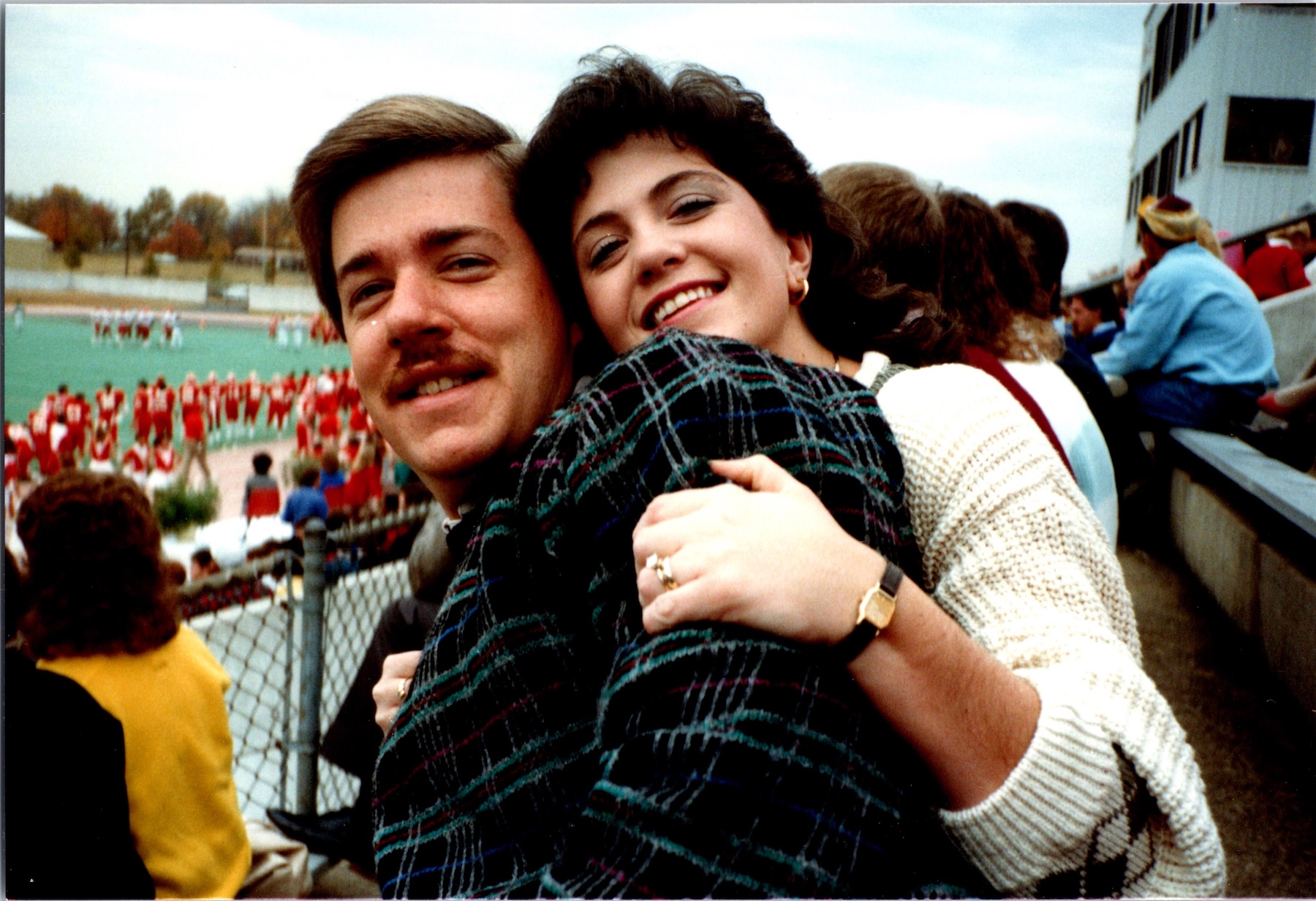
Austin Peay State University alumna Tammy Cunningham ('86) has established the Tom Cunningham Family Endowment in honor of her late husband, Tom Cunningham ('85), providing scholarships for business majors who graduated from Montgomery County high schools.
Read More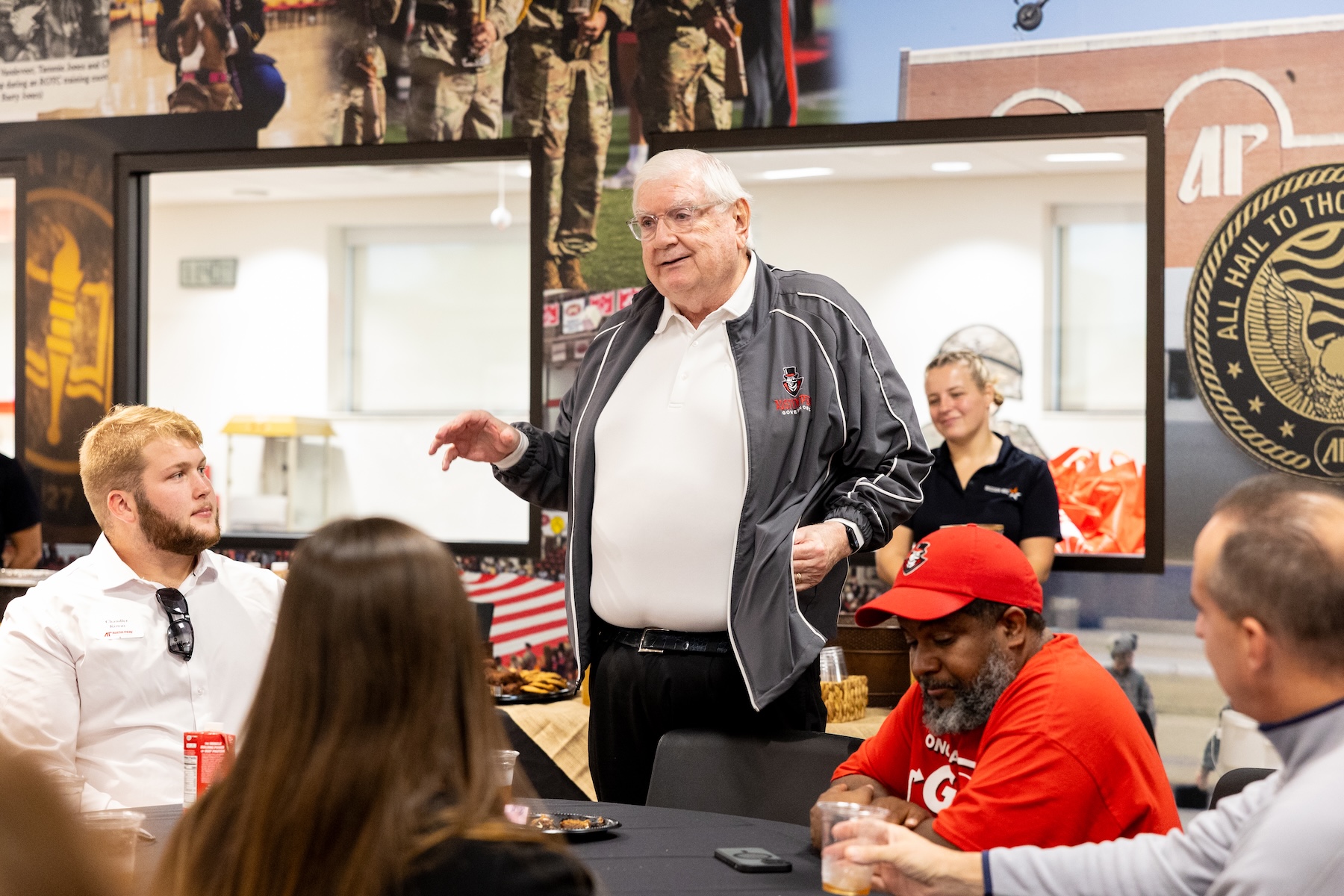
Austin Peay State University alumnus Larry Carroll ('76) has made a gift to establish the Carroll Entrepreneurship Center, a university-wide hub based at The Press in downtown Clarksville that will support new venture creation for students and entrepreneurs throughout the region.
Read More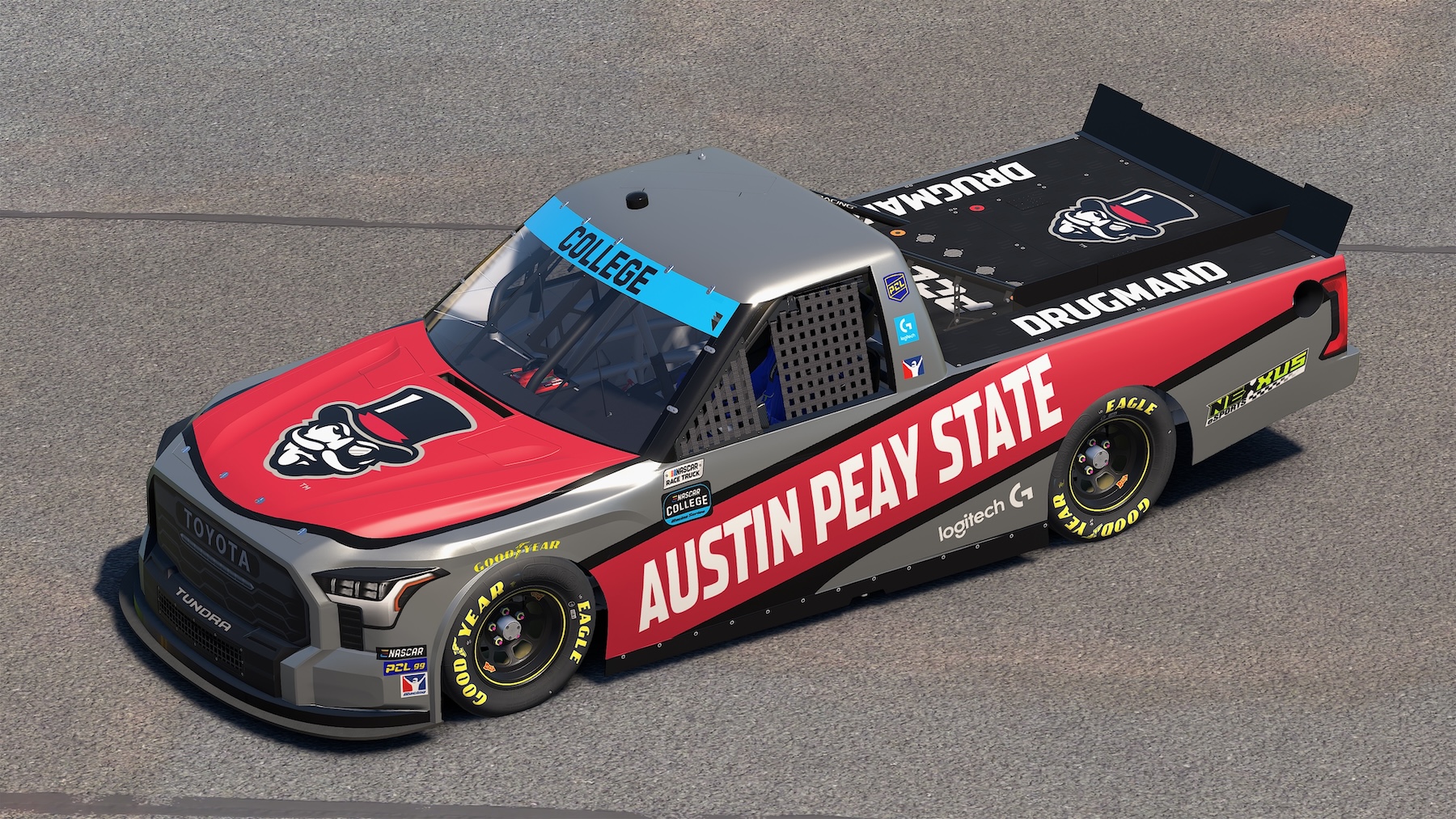
Freshman sports communication major Van Drugmand is representing the Govs in the 2026-27 eNASCAR College iRacing Series and will make his next appearance in the Peachtree Pursuit on Sept. 30.
Read More