APSU re-establishes African American Employee Council

CLARKSVILLE, Tenn. – On a Sunday morning, after several long, painful weeks, Sheraine Gilliam-Holmes texted a few of her colleagues. Did anyone else need to talk? As executive director and chief human resources officer at Austin Peay State University, Gilliam-Holmes often checks in on the University’s employees, but this was different. In addition to the stresses of the COVID-19 pandemic, she knew some of her colleagues – and friends – were suffering from the recent deaths of Ahmaud Arbery, Breonna Taylor and, earlier that week, George Floyd.
“I sent a text to several of the African American leaders on campus, and they all responded within 60 seconds,” she said. “We had a Zoom meeting at five that night, and shared that we were all emotionally drained, hurt and exhausted.”
It was cathartic to share their feelings and frustrations that evening. And as campus leaders, they knew others around the University – faculty, staff and students – likely felt the same need to talk and connect. Dannelle Whiteside, APSU vice president for legal affairs, attended the Zoom, and she remembered something David Davenport, director of the APSU Foy Fitness and Recreation Center, told her – there was once an organization, years ago, of African American leaders on campus.
“During the Zoom, I said, ‘Hey we need to bring that employee council back,’” Whiteside said. “The need is there to bring each other support and help the institution better serve its African American employees.”
That night, after calling and receiving support from Austin Peay President Alisa White, the University officially reestablished its African American Employee Council.
‘My heart was full’
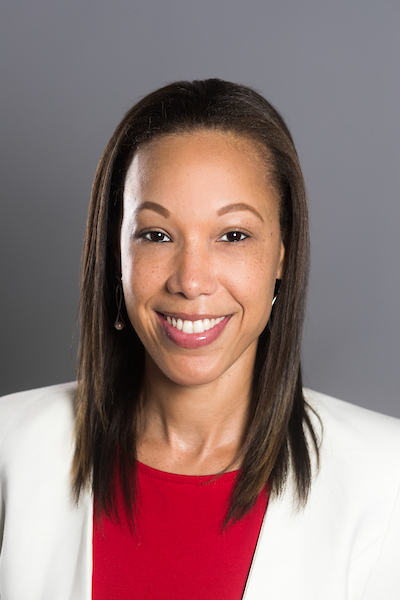
The council was established on a Sunday. The next day, before the members even looked at revising their old bylaws, they contacted President White about hosting a virtual town hall on racial and social injustice.
“We wanted a chance to share how we felt, and President White was extremely supportive,” Gilliam-Holmes said.
The council decided to host the town hall that Wednesday – only two days later. That didn’t leave much time for getting the word out. Also, with the University still operating mostly online and the majority of students taking a summer break from their studies, the members wondered if anyone would attend.
A few emails were sent out, asking people to register. On Wednesday afternoon, more than 460 people logged into the council’s Zoom session. President White attended, asking that instead of asking questions, participants and allies use the event to listen. For the next hour, they listened to powerful, emotional experiences that often showed attendees wiping their eyes.
“My heart was full, because we were heard, we were seen and people listened,” Gilliam-Holmes said. “We created a space for people to tell their stories, and allowed attendees a chance to view the world through someone else’s lens. We created a safe space to take off the masks we often wear as African American leaders. It gave us a moment to both bring awareness and create a much needed dialogue.”
The event also brought several of the campus’ African American leaders to one place, allowing students and employees to see them – possibly for the first time – all together.
“I thought the town hall was very powerful, and I thought it sent a message the institution is very serious about protecting and promoting everyone’s interests, and that everyone is serious about listening to us,” Whiteside said. “For black students, sometimes when they hear about leadership at Austin Peay, they think it’s a lot of white people making decisions affecting them. What we want to say is we’re in those meetings, there are people who look like you and have similar lived experiences and we take into account the impact of our decisions on African American students. If there are questions they have, if they have challenges, there are people they can come to.”
‘When you put your energy into something positive, it replenishes the soul.’

On Thursday morning, the day after the town hall, Gilliam-Holmes’ inbox was flooded with emails from students, faculty and staff. Several students told her they had no idea there were so many African American leaders at APSU, while many employees asked for additional resources. Based on this need, along with the success of the town hall, the council organized its second event.
Less than a week later, the APSU the Office of Equity, Access and Inclusion hosted a virtual workshop, “What it Means to be a Partner in Justice in Times of Social Unrest.” They also provided information on campus counseling services and a list of anti-racism resources.
The group is also planning future town halls, including one on policing with Austin Peay and Clarksville’s police chiefs. Information on that event will be available soon.
And, at a time when many employees are serving on task forces and committees related to COVID-19, the University’s African American Employee Council continues to grow.
“When you put your energy into something positive, it replenishes the soul,” Gilliam-Holmes said. “And I know this will help to evolve the culture at Austin Peay.”
The initial members of the African American Employee Council who participated in the town hall include:
- Retired Lt. Gen. Ronald Bailey, vice president for external affairs
- Heather Baker, a counselor with the APSU Counseling Center
- Sheila Bryant, director of equal opportunity and affirmative action, ADA coordinator and deputy Title IX coordinator
- David Davenport, director of the APSU Foy Fitness and Recreation Center
- Fonda Fields, director of Human Resources
- Jessica Fripp, assistant professor of psychology
- Eva Gibson, assistant professor of psychology
- Sheraine Gilliam-Holmes, executive director and chief human resources officer
- Gerald Harrison, director of athletics
- Marcus Hayes, chair of the Department of Theatre and Dance
- Marcus Hilliard, associate athletic director
- Kyla House, human resources business partner
- Marsha Lyle-Gonga, professor of political science
- Christine Mathenge, professor of geosciences
- Lorneth Peters, director of the Tennessee Small Business Center
- Costin Shamble, University attorney
- Ashlee Spearman, director of the Quality Enhancement Plan
- Lisa Varytimidis, associate athletic director
- David Walker, assistant professor of Art + Design
- Harold Wallace, director of the Wilbur N. Daniel African American Cultural Center
- Dannelle Whiteside, vice president for legal affairs
- LaNeeca Williams, chief diversity officer and Title IX coordinator
News Feed
View All News
APSU's Summer 2026 commencement ceremony is at 10 a.m. on Friday, Aug. 7, in the Dunn Center, and will recognize graduates from across the university's academic colleges.
Read More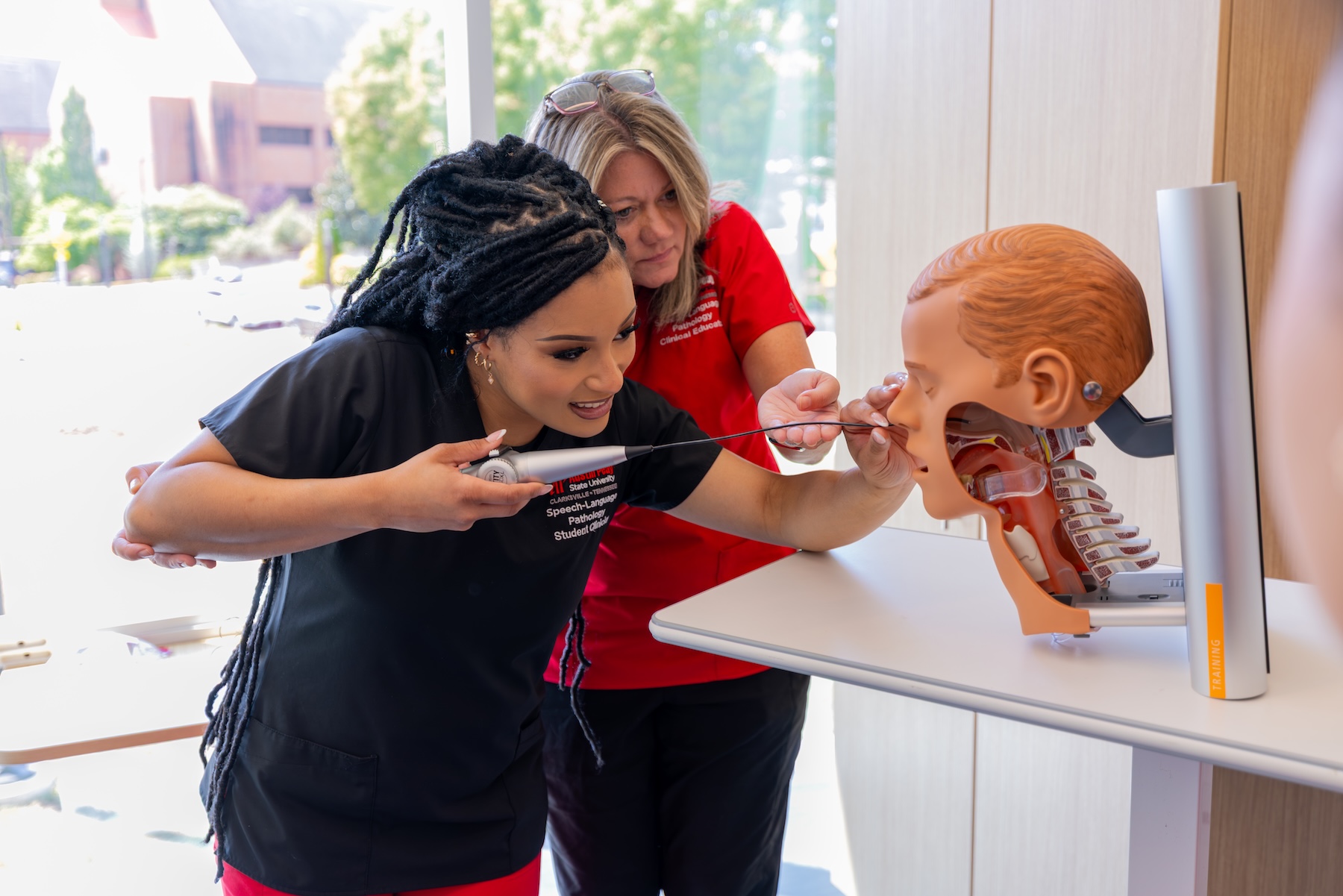
APSU's Master of Speech-Language Pathology program has earned initial accreditation from the Council on Academic Accreditation in Audiology and Speech-Language Pathology, expanding the pipeline of clinicians as Tennessee faces a projected 37.6% increase in demand for speech-language pathologists by 2032.
Read More
Dr. Debra Rose Wilson, professor and Lenora C. Reuther Chair of Excellence in Austin Peay State University's School of Nursing, has been selected for induction as a Fellow of the American Academy of Nursing, one of the profession's most prestigious distinctions.
Read More