


Austin Peay first Tennessee university to offer in-state tuition to ALL military-affiliated students – including family members
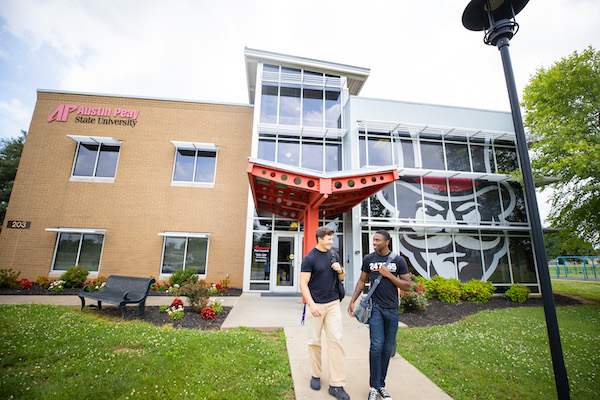
CLARKSVILLE, Tenn. – Austin Peay State University is now the only Tennessee university to offer in-state tuition rates to all of the nation’s military-affiliated students, which includes active-duty military personnel, veterans, reservists, National Guard members and their eligible family members. Earlier today, the University announced the creation of special financial awards to ensure these students receive this tuition rate, which is one of the lowest in the state.
“At Austin Peay, we take our commitment to our military-affiliated students very seriously, and because of the sacrifices these individuals have made for our nation, we continue to push ourselves to find more ways to serve them,” APSU President Mike Licari said. “These students make up a distinct part of our culture here, and we want more of them to join the Austin Peay family so they can succeed in all their endeavors.”
This summer’s announcement means that military-affiliated individuals assigned to installations such as Fort Hood, Texas; Fort Bragg, North Carolina; or Fort Knox, Kentucky, can now pay the same tuition rate as Tennesseans wanting to enroll at Austin Peay. In another extraordinary move, the University is reducing the cost of its military student, graduate-level tuition to the Federal Tuition Assistance rate of $250 a credit hour, which will save uniformed military graduate students over $600 in out-of-pocket expenses per course.
Austin Peay is also waiving its undergraduate and graduate admissions application fee for military-affiliated students.
“Austin Peay has a reputation across this country as being the gold standard for providing higher education to our military community and their families,” retired Maj. Gen. Walt Lord, APSU military advisor-in-residence, said. “With this new initiative, we continue to remove some of the barriers and stresses these students sometimes face when enrolling in college. They’ve done so much for us, as a nation, so now it’s our turn to take care of them.”
Austin Peay is the state’s largest provider of higher education to military-affiliated students, with about 25 percent of the University’s students having a military connection. Last year, APSU opened the 5,200-square-foot Newton Military Family Resource Center – the largest, by far, military student center in Tennessee – and in November, the University will induct the inaugural members of its new APSU Military Hall of Fame.
The Tennessee Higher Education Commission previously honored the University’s support of this population by naming Austin Peay a Veterans Education Transition Support (VETS) Campus, and Austin Peay is now home to the state’s first Institute for National Security and Military Studies. That institute will oversee educational programs (both credit and noncredit), military outreach activities and interdisciplinary research on national security, intelligence and military life.
For more information on APSU’s new in-state tuition initiative for military-affiliated students, visit www.apsu.edu/military.
News Feed
View All News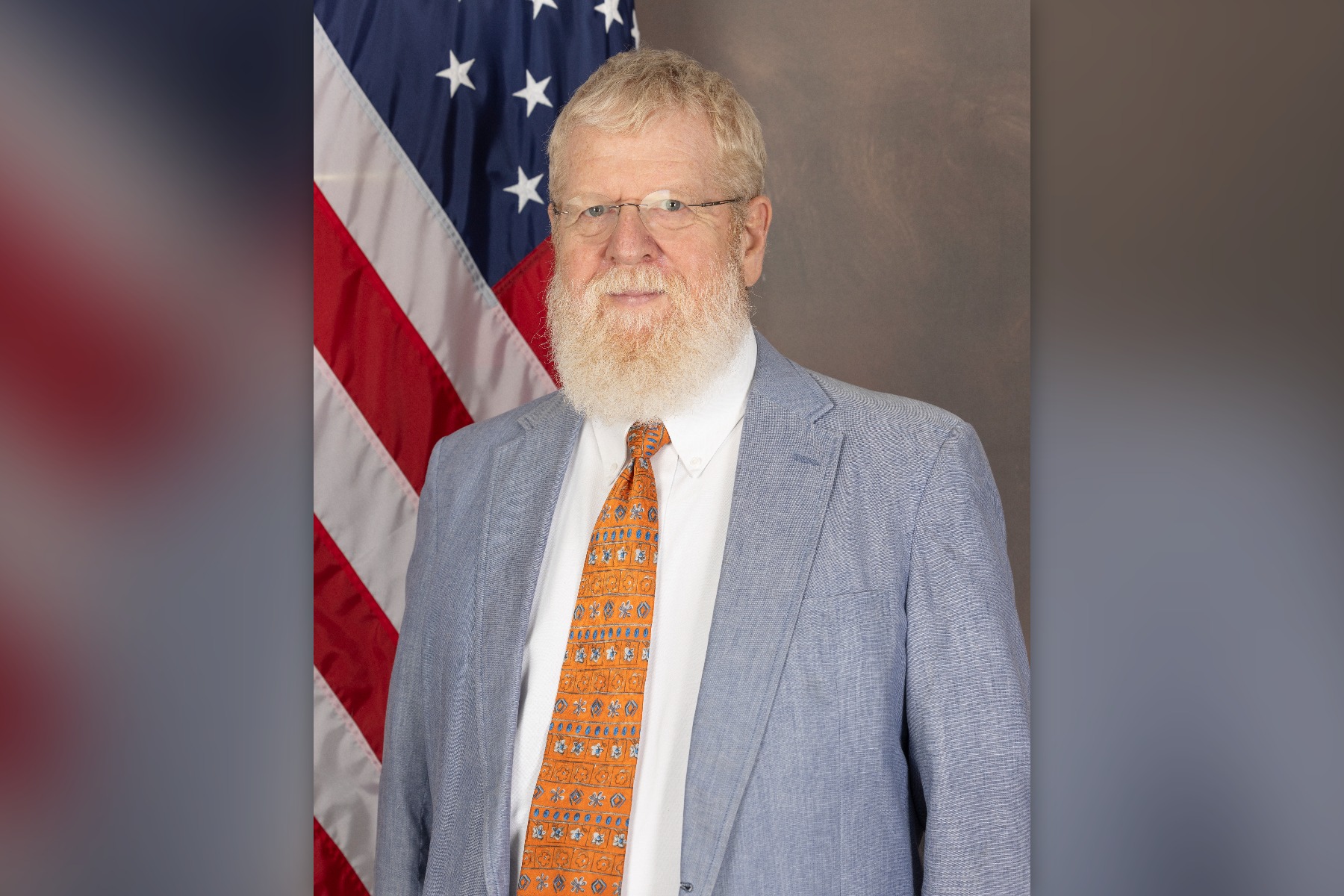
Dr. John W. Steinberg, an Austin Peay State University professor of history and one of the world's leading authorities on Russian military history, is spending the 2026-27 academic year teaching cadets at the United States Military Academy at West Point as the Charles Boal Ewing Chair in Military History.
Read More
Austin Peay State University has received a gift from Sharon A. Dunn ('73), a College of Business graduate, to establish the KY Tri-County College of Business Scholarship Endowment, giving first preference to students from Todd, Christian, and Trigg counties in Kentucky.
Read More
The Department of Physics, Engineering and Astronomy has announced two free Public Observatory Nights this fall at the Coleman Tractor APSU Farm Powered by Kubota, with sessions on Oct. 17 and Dec. 19 open to stargazers of all ages.
Read More