Science on Tap to return virtually for special panel discussion about COVID-19, vaccines
(Posted Jan. 20, 2021)

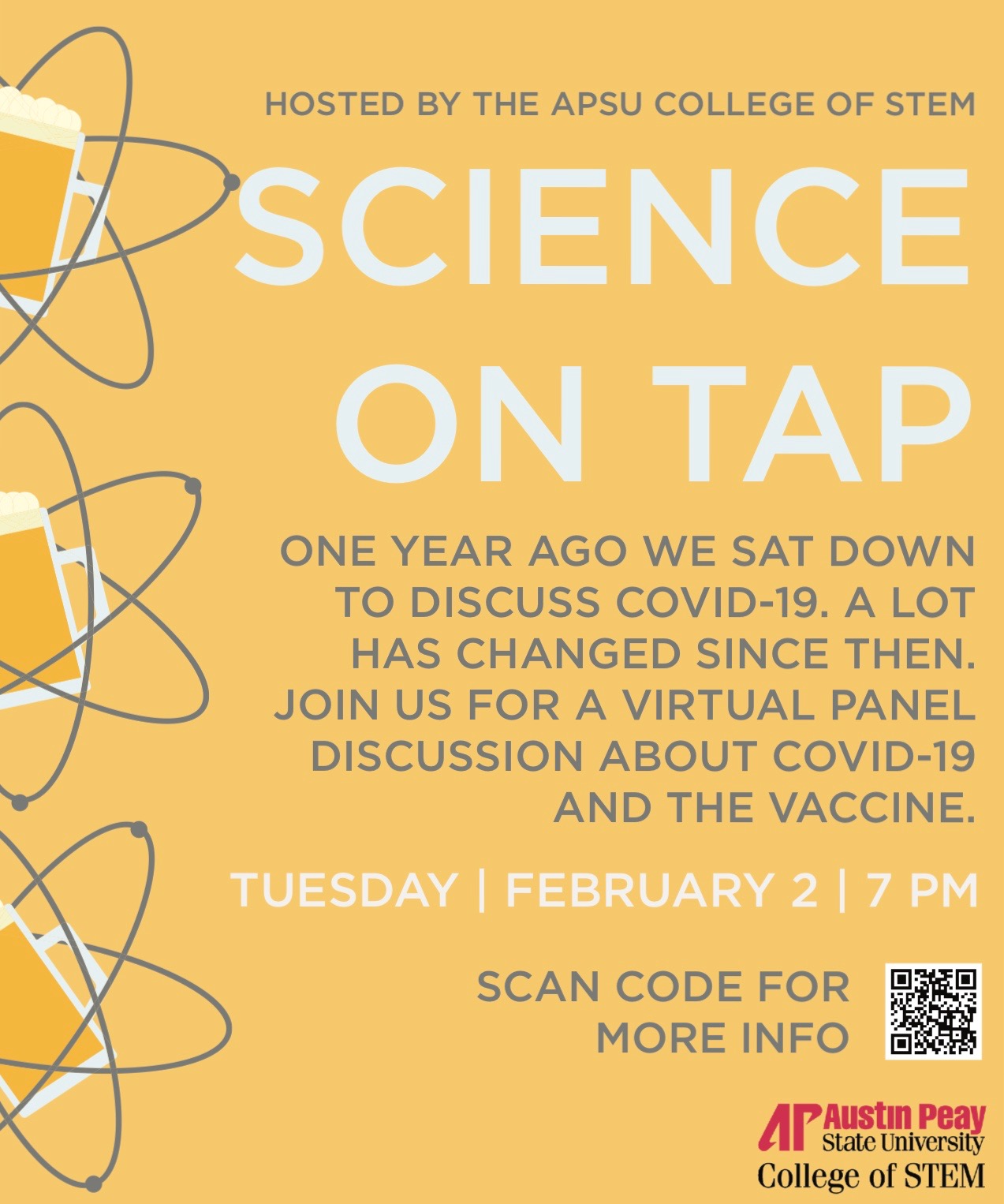
Austin Peay State University’s Science on Tap lecture series will return for a special event next month after being driven into hiatus by the pandemic, but the topic is the same as last time – COVID-19.
The last Science on Tap lecture drew dozens of people to Strawberry Alley Ale Works on March 3, 2020, to learn more about the novel coronavirus as it spread across the globe. At that point, the virus had caused about 3,000 deaths worldwide.
As of Jan. 19, 2021, the virus has killed over 2 million people worldwide and 400,000 in the United States.
Science on Tap will return 7 p.m. Tuesday, Feb. 2, to revisit the COVID-19 discussion. This time, however, the event will be virtual – delivered via Zoom webinar – and include a panel discussion to take on the urgency and hope of new vaccines to stop the virus.
Panel members will include Jane Semler, Medical Laboratory Science (MLS) professor, and Dr. Perry Scanlan, virologist and MLS professor. Dr. Karen Meisch, dean of the College of Science, Technology, Engineering and Mathematics (STEM), will be moderator.
“One year ago, we sat down to discuss COVID-19,” a poster promoting the event reads. “A lot has changed since then. Join us for a virtual panel discussion about COVID-19 and the vaccine.”
Science on Tap is a lecture series hosted by APSU’s College of STEM.
To join the Zoom, click here.
News Feed
View All News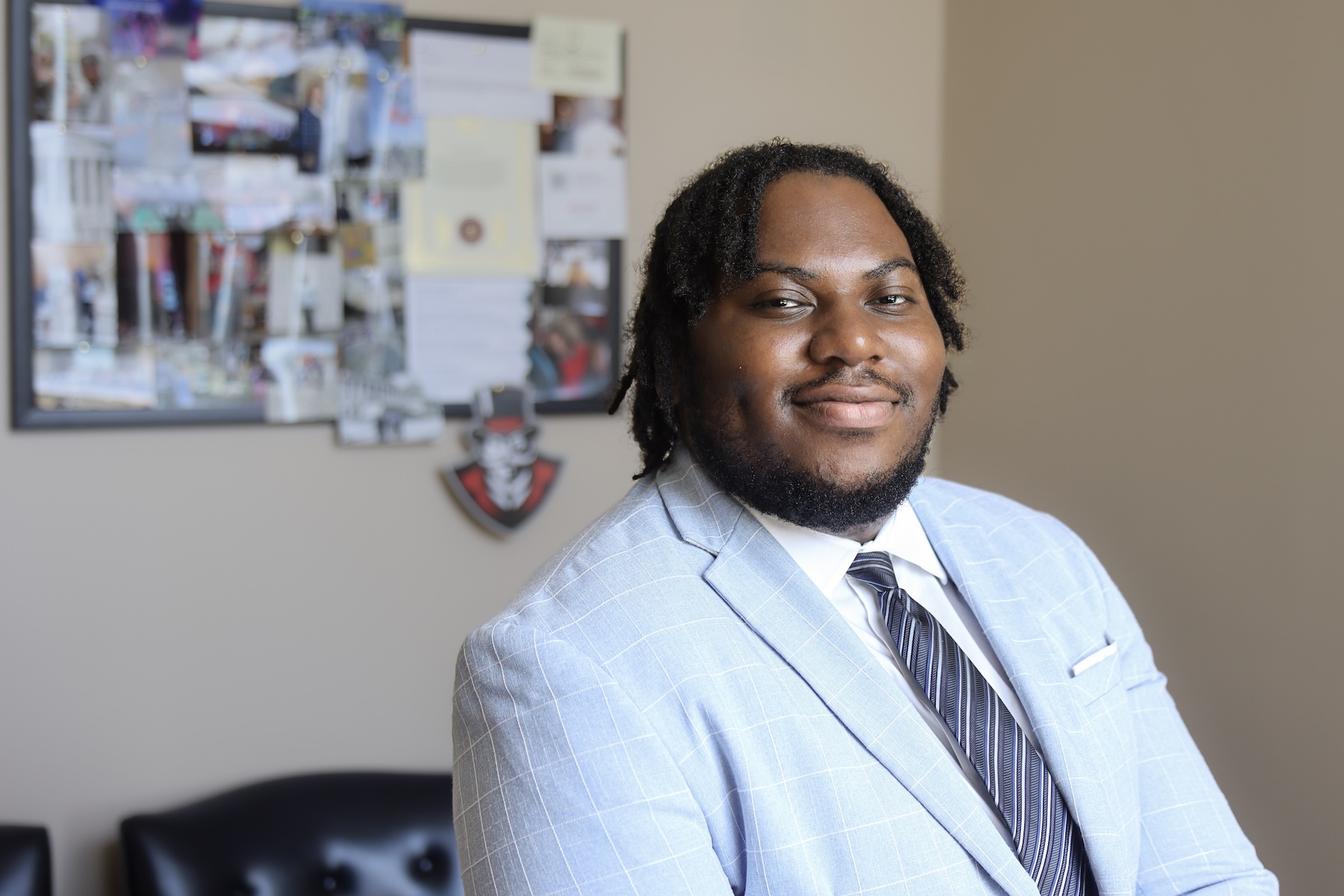
Isaiah Polk, a 24-year-old juvenile probation officer with Montgomery County Juvenile Court, has been named chair of the Coalition for Juvenile Justice's Emerging Leaders Committee and appointed to the national organization's executive board.
Read More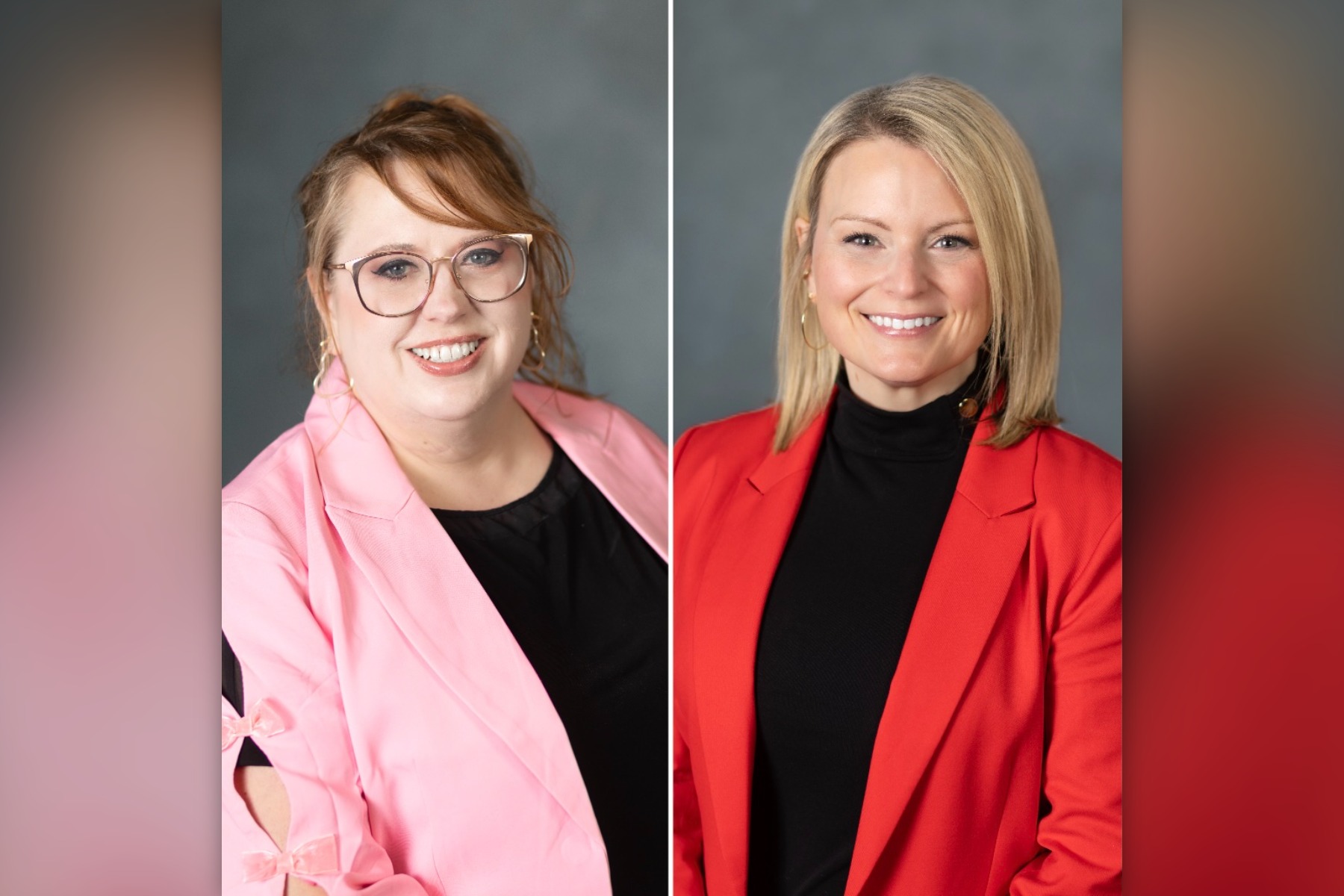
Austin Peay State University leaders Dr. Lindsey Gilmore and Dr. Kathrine Bailey have been selected for the AASCU 2026 Emerging Leaders Program. They join a national cohort of 45 rising professionals focused on advancing higher education leadership and institutional impact.
Read More
Dr. Caitlin M. Shaw has co-authored a national study of 411 American adults, finding that most people view hazing as a public health issue -- not just a campus disciplinary matter.
Read More