


Animal Welfare Institute awards Austin Peay’s Dr. Catherine G. Haase with the 2022 Christine Stevens Wildlife Award

The Animal Welfare Institute has awarded Austin Peay State University’s Dr. Catherine G. Haase with the 2022 Christine Stevens Wildlife Award for her innovative work in humanely resolving wildlife conflicts and developing non-invasive wildlife research methodologies.
Haase’s proposal, titled “Assessing fine-scale use of artificial roosts by bats in response to microclimate conditions,” was selected from a pool of qualifying applications. The award recognizes Dr. Haase's outstanding research on the behavior of bats and the role of microclimates in the use of artificial roosts.
Haase, an assistant professor in APSU’s Department of Biology, expressed gratitude and excitement over being awarded the 2022 Christine Stevens Wildlife Award.
“I feel honored to be a part of this year’s group of scientists who were selected to receive funding to support studies on humanely remediating wildlife conflicts,” she said.
The funding, in addition to her 2021-2022 APSU Research Support Grant, will help her test the potential problem of using bat boxes to mitigate human-bat issues.
“This funding will help me test if bat box temperatures reach above a bat’s limit and how bats move in and out of boxes in response to temperatures,” Haase said.
She will use the funds from the Christine Stevens Wildlife Award to purchase equipment and support two undergraduate students, Erik Anderson, a computer science major with a concentration in software engineering, and Drew McIllwain, an engineering physics major with a minor in computer science. They have been working to develop the technology used in this approach.
“This simple design will allow us to get real-time measurements of temperatures and determine if bat boxes are too warm for bat survival,” Haase said before adding that her team’s findings “will hopefully allow us to better place and/or design bat boxes for these already declining bat species.”
About the study
This study aims to investigate how bats respond to temperature in artificial roosts, specifically in bat boxes. The team led by Haase will use microcomputer technology to determine how bats use different bat box designs and their response to microclimate conditions.
The study will take place in Clarksville, Tennessee, where 24 bat boxes of two distinctive designs have been installed on private properties. The team will use thresholds for little brown bats to evaluate the suitability of bat houses to remain within a bat thermal neutral zone.
Additionally, the study will examine how box type and placement impact microclimate response. Data will be collected between April and November and analyzed to develop management practices and guide the deployment of bat boxes for private landowners.
For further information on the award program or for any questions, interested parties may contact csawards@awionline.org.
The Animal Welfare Institute is a nonprofit organization dedicated to reducing animal suffering caused by people. For more information, visit www.awionline.org.
News Feed
View All News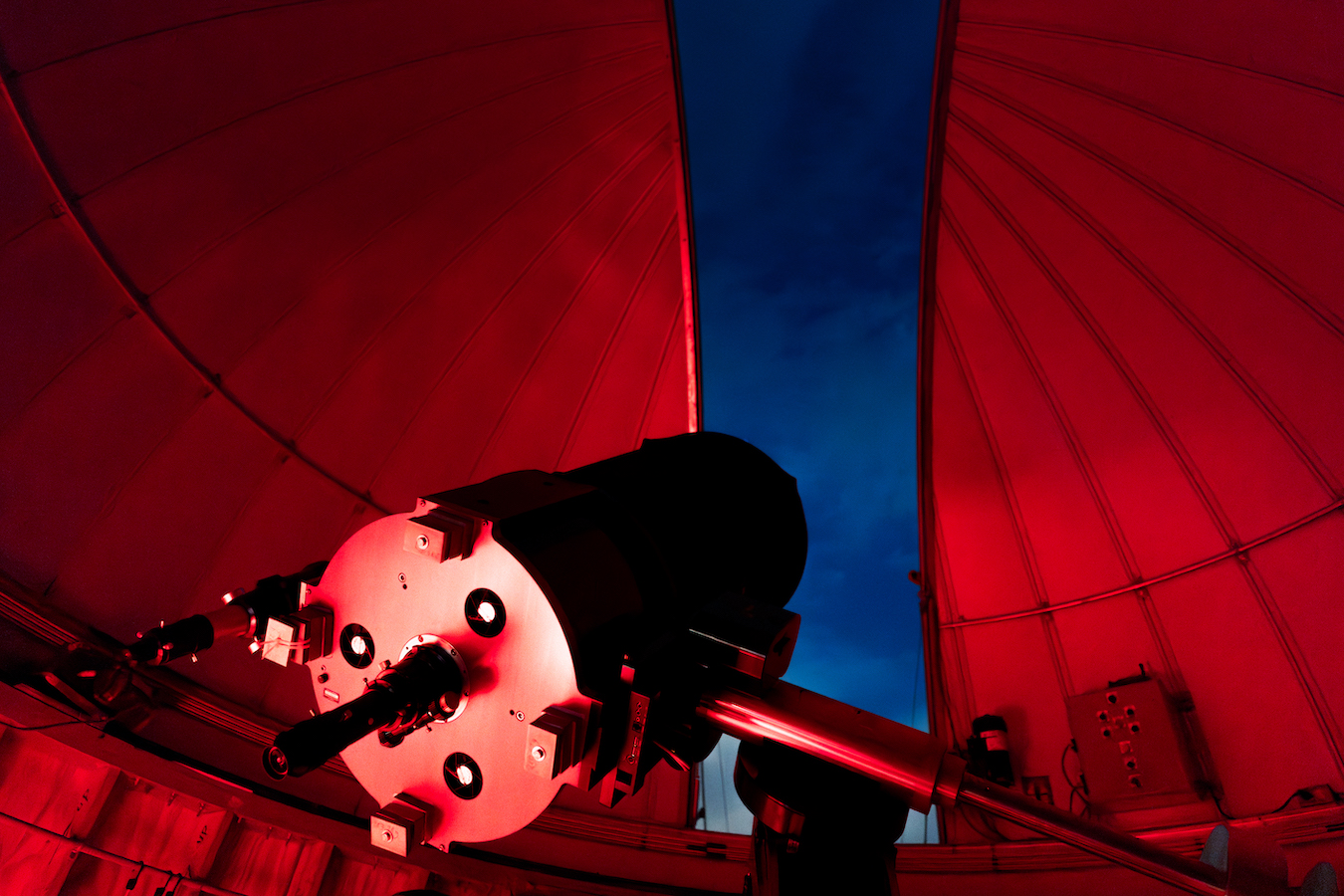
The Department of Physics, Engineering and Astronomy has announced two free Public Observatory Nights this fall at the Coleman Tractor APSU Farm Powered by Kubota, with sessions on Oct. 17 and Dec. 19 open to stargazers of all ages.
Read More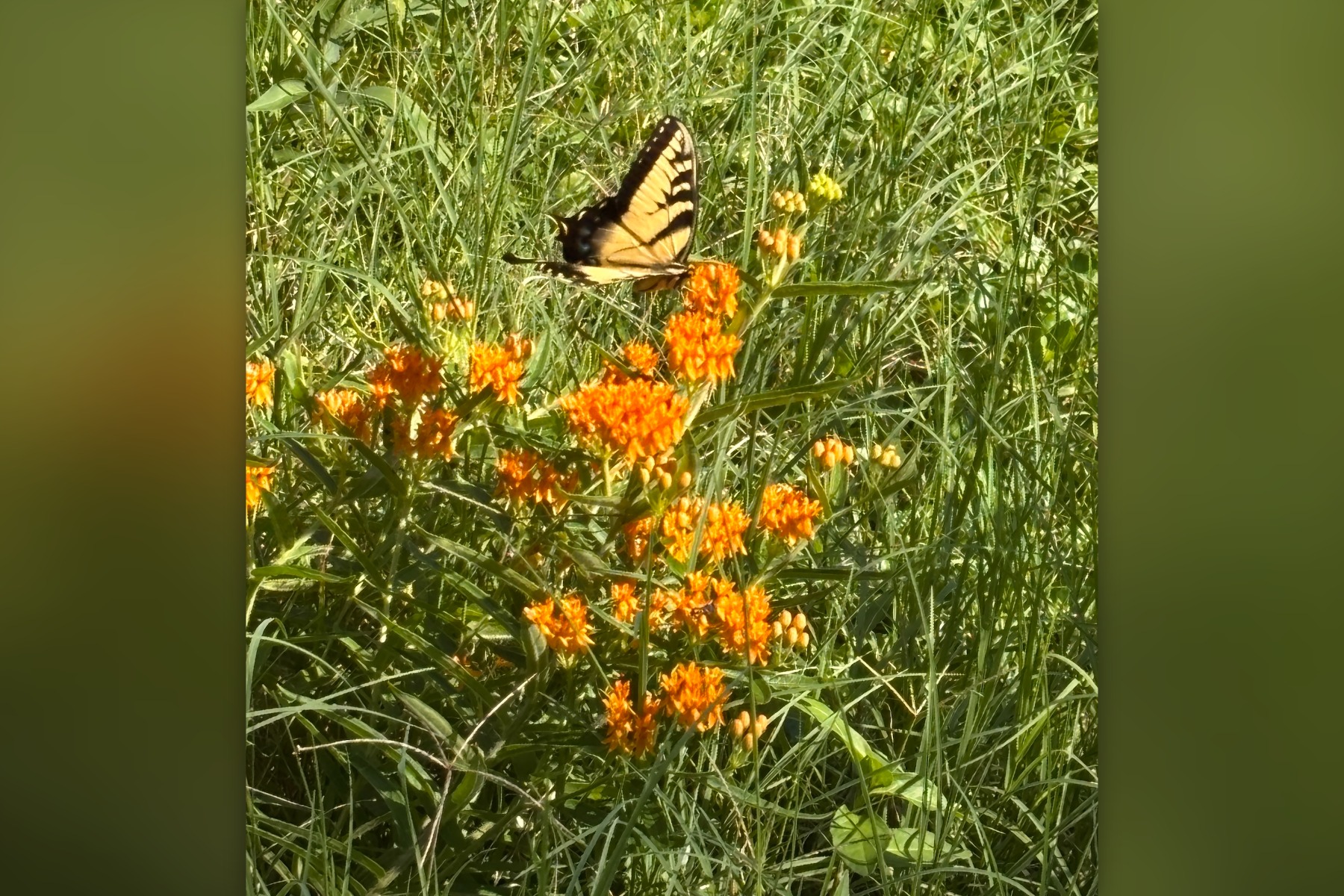
Austin Peay State University's College of STEM will host Science on Tap at 5:30 p.m. on Tuesday, Oct. 6, at Strawberry Alley Ale Works, where biology professor Dr. Mollie Cashner will explore the caterpillars, pollinators, and backyard predators hiding in everyday gardens.
Read More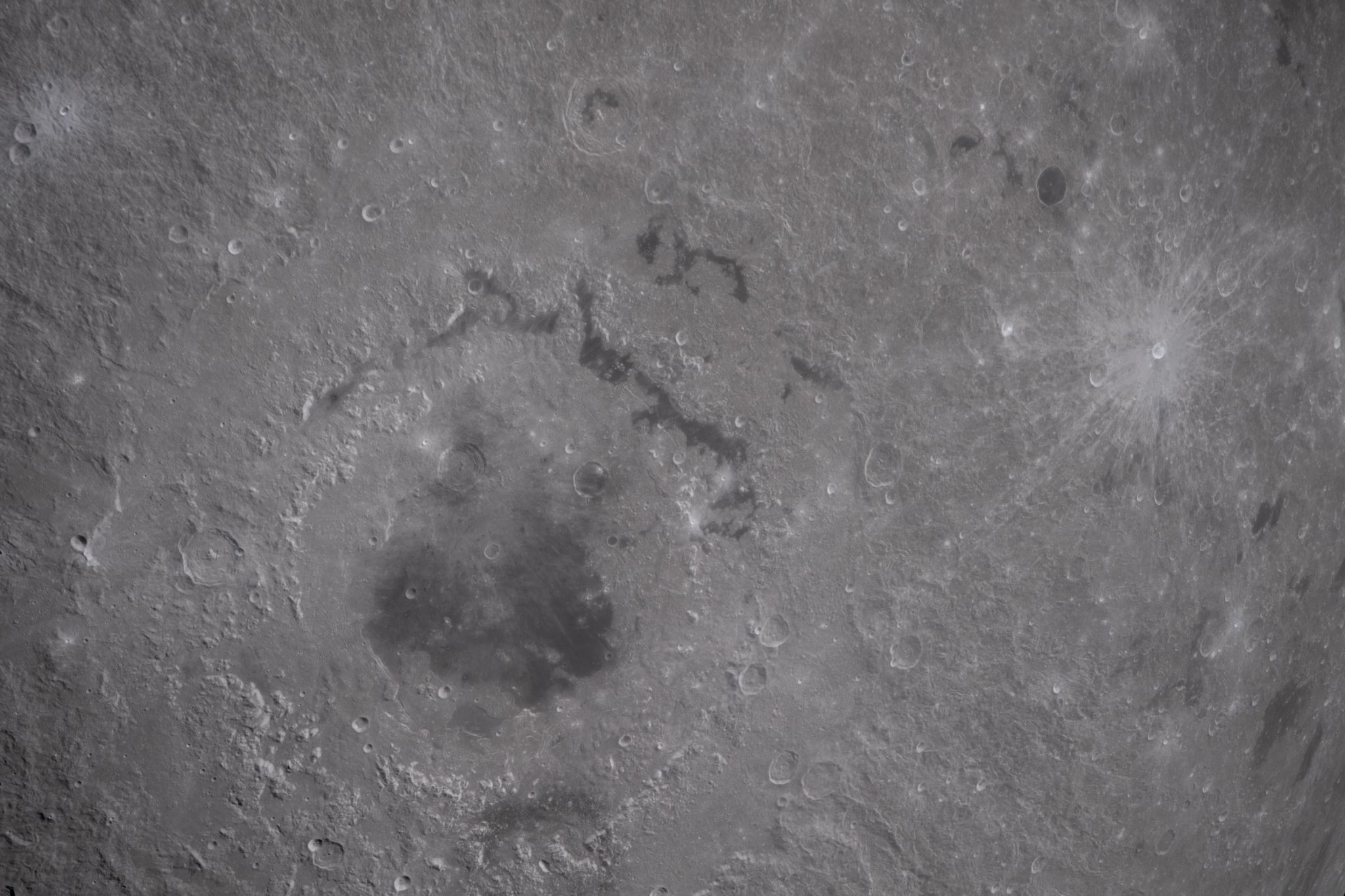
Austin Peay's Science on Tap kicks off its fall season on Sept. 1 at Strawberry Alley Ale Works. Dr. Amanda Stadermann will present "Moon Joy," exploring lunar exploration, NASA's Artemis program, and what moon rocks reveal about Earth's history.
Read More