Go back

Austin Peay alum endures in Japan as pandemic grips globe

Justin Randall was out having dinner at a local Irish Pub when the island of Hokkaido declared a state of emergency.   “We didn’t know what that quite looked like,” Randall said.   Randall is an Austin Peay State University alum who has been teaching English across 18 elementary and junior high schools in Kushiro, Japan, since August 2019.  Seven months into his stay in Kushiro, located in Hokkaido, Randall renewed his contract with JET, aka the Japanese Exchange and Teaching program. By signing this contract, Randall committed to at least one more year of living in Kushiro.   “It wasn’t really big here until the Diamond Princess cruise,” Randall said. The Princess accounted for over half of the COVID-19 cases outside of mainland China at the time. “When it started to get bad, contracts were due for a lot of people. After the cruise ship came over, a lot of people pulled back their recontract papers.”  Many of Randall’s colleagues flew back to America where they remain due to Japan closing its borders. Permanent and resident cardholders, like Randall, were not allowed to travel abroad.    “That’s what really worried me. If I got sick and the worst happened and having my family have to come get my stuff, really worried me at the beginning,” Randall said.  Pandemic raises distrust of foreigners  “People were already wearing masks here because of flu season,” Randall said. “There’s this Japanese word for rural areas, “inaka,” and Kushiro is a big town in the middle of nowhere, so there’s a big inaka culture here. There’s not really a lot of foreigners. I’m one of maybe 50 western foreigners living here.”   Of those foreigners, some are from Vietnam, the Philippines, China and America.   “People would look at us a lot differently here,” Randall said. “People still stare at me. I stare back sometimes. Some people think that because the foreigners are here that coronavirus will come. That’s been frustrating to people. If you’re walking down a street, sometimes people will jump over to the other side.”  According to a study in 2016 by Bruce Stokes of the Pew Research Center, the enmity between China and Japan is hundreds of years old. Just like in America, older generations in Japan and China tend to harbor racist thoughts about the other country.  “I’ve had some teachers say some choice things about China, especially when the pandemic started,” Randall said. “The Sapporo Ice Festival attracts a lot of Chinese tourists, and people were worried about whether or not they would bring a lot of cases of coronavirus. They actually canceled the festival for the first time this year.”  Curiosity about the election, Capitol riot  The tumultuous U.S. presidential election was a curiosity to many of Randall’s Japanese co-workers.   “I’ve had some really good conversations about it with people. They’re pretty inquisitive about it. They’d ask me who I was going to vote for, Trump or Biden,” Randall said. “Trump is pretty popular out here, just because he is rhetorically tough on Chinese expansion.   QAnon became popular in Japan through TikTok, Randall said. This led to many questions about whether the election was stolen from Trump.   “I tend to give a really brief answer that is in line with my opinion,” he said.  The Jan. 6 Capitol insurrection led to more confusion. Randall tried to explain what was happening as best he could.   “They’d ask about the Supreme Court and why is that so important right now, especially with all the news surrounding Amy Coney Barrett,” Randall said.  ‘I want to see more’  Randall isn’t sure when he’ll be able to come home. JET participants have the opportunity to stay up to five years, and Randall plans to stay the entire time.  “I will more than likely get the vaccine here sometime in the summer,” Randall said. “But there’s no infrastructure setup or plans that have been announced for how they’re going to distribute the vaccine. So that remains to be seen. I expect next year to be honest.  “Hopefully I’ll be able to travel more around the country. I was able to see a lot before the coronavirus happened and I want to see more.”  To learn more • To learn more about Randall’s participation in the JET program, click here. • For more about Asian studies at Austin Peay State University, visit www.apsu.edu/asian-studies/.
Justin Randall in Japan. (Submitted photo)

(Posted Feb. 19, 2021)

Justin Randall was out having dinner at a local Irish Pub when the island of Hokkaido declared a state of emergency.

“We didn’t know what that quite looked like,” Randall said.

Randall is an Austin Peay State University history alum who has been teaching English across 18 elementary and junior high schools in Kushiro, Japan, since August 2019.

Seven months into his stay in Kushiro, located in Hokkaido, Randall renewed his contract with JET, aka the Japanese Exchange and Teaching program. By signing this contract, Randall committed to at least one more year of living in Kushiro.

“It wasn’t really big here until the Diamond Princess cruise,” Randall said. The Princess accounted for over half of the COVID-19 cases outside of mainland China at the time. “When it started to get bad, contracts were due for a lot of people. After the cruise ship came over, a lot of people pulled back their recontract papers.”

Many of Randall’s colleagues flew back to America where they remain due to Japan closing its borders. Permanent and resident cardholders, like Randall, were not allowed to travel abroad. 

“That’s what really worried me. If I got sick and the worst happened and having my family have to come get my stuff, really worried me at the beginning,” Randall said.

Pandemic raises distrust of foreigners

“People were already wearing masks here because of flu season,” Randall said. “There’s this Japanese word for rural areas, “inaka,” and Kushiro is a big town in the middle of nowhere, so there’s a big inaka culture here. There’s not really a lot of foreigners. I’m one of maybe 50 western foreigners living here.”

Of those foreigners, some are from Vietnam, the Philippines, China and America.

“People would look at us a lot differently here,” Randall said. “People still stare at me. I stare back sometimes. Some people think that because the foreigners are here that coronavirus will come. That’s been frustrating to people. If you’re walking down a street, sometimes people will jump over to the other side.”

According to a study in 2016 by Bruce Stokes of the Pew Research Center, the enmity between China and Japan is hundreds of years old. Just like in America, older generations in Japan and China tend to harbor racist thoughts about the other country.

“I’ve had some teachers say some choice things about China, especially when the pandemic started,” Randall said. “The Sapporo Ice Festival attracts a lot of Chinese tourists, and people were worried about whether or not they would bring a lot of cases of coronavirus. They actually canceled the festival for the first time this year.”

Curiosity about the election, Capitol riot

The tumultuous U.S. presidential election was a curiosity to many of Randall’s Japanese co-workers.

“I’ve had some really good conversations about it with people. They’re pretty inquisitive about it. They’d ask me who I was going to vote for, Trump or Biden,” Randall said. “Trump is pretty popular out here, just because he is rhetorically tough on Chinese expansion.

QAnon became popular in Japan through TikTok, Randall said. This led to many questions about whether the election was stolen from Trump.

“I tend to give a really brief answer that is in line with my opinion,” he said.

The Jan. 6 Capitol insurrection led to more confusion. Randall tried to explain what was happening as best he could.

“They’d ask about the Supreme Court and why is that so important right now, especially with all the news surrounding Amy Coney Barrett,” Randall said.
Justin Randall was out having dinner at a local Irish Pub when the island of Hokkaido declared a state of emergency.   “We didn’t know what that quite looked like,” Randall said.   Randall is an Austin Peay State University alum who has been teaching English across 18 elementary and junior high schools in Kushiro, Japan, since August 2019.  Seven months into his stay in Kushiro, located in Hokkaido, Randall renewed his contract with JET, aka the Japanese Exchange and Teaching program. By signing this contract, Randall committed to at least one more year of living in Kushiro.   “It wasn’t really big here until the Diamond Princess cruise,” Randall said. The Princess accounted for over half of the COVID-19 cases outside of mainland China at the time. “When it started to get bad, contracts were due for a lot of people. After the cruise ship came over, a lot of people pulled back their recontract papers.”  Many of Randall’s colleagues flew back to America where they remain due to Japan closing its borders. Permanent and resident cardholders, like Randall, were not allowed to travel abroad.    “That’s what really worried me. If I got sick and the worst happened and having my family have to come get my stuff, really worried me at the beginning,” Randall said.  Pandemic raises distrust of foreigners  “People were already wearing masks here because of flu season,” Randall said. “There’s this Japanese word for rural areas, “inaka,” and Kushiro is a big town in the middle of nowhere, so there’s a big inaka culture here. There’s not really a lot of foreigners. I’m one of maybe 50 western foreigners living here.”   Of those foreigners, some are from Vietnam, the Philippines, China and America.   “People would look at us a lot differently here,” Randall said. “People still stare at me. I stare back sometimes. Some people think that because the foreigners are here that coronavirus will come. That’s been frustrating to people. If you’re walking down a street, sometimes people will jump over to the other side.”  According to a study in 2016 by Bruce Stokes of the Pew Research Center, the enmity between China and Japan is hundreds of years old. Just like in America, older generations in Japan and China tend to harbor racist thoughts about the other country.  “I’ve had some teachers say some choice things about China, especially when the pandemic started,” Randall said. “The Sapporo Ice Festival attracts a lot of Chinese tourists, and people were worried about whether or not they would bring a lot of cases of coronavirus. They actually canceled the festival for the first time this year.”  Curiosity about the election, Capitol riot  The tumultuous U.S. presidential election was a curiosity to many of Randall’s Japanese co-workers.   “I’ve had some really good conversations about it with people. They’re pretty inquisitive about it. They’d ask me who I was going to vote for, Trump or Biden,” Randall said. “Trump is pretty popular out here, just because he is rhetorically tough on Chinese expansion.   QAnon became popular in Japan through TikTok, Randall said. This led to many questions about whether the election was stolen from Trump.   “I tend to give a really brief answer that is in line with my opinion,” he said.  The Jan. 6 Capitol insurrection led to more confusion. Randall tried to explain what was happening as best he could.   “They’d ask about the Supreme Court and why is that so important right now, especially with all the news surrounding Amy Coney Barrett,” Randall said.  ‘I want to see more’  Randall isn’t sure when he’ll be able to come home. JET participants have the opportunity to stay up to five years, and Randall plans to stay the entire time.  “I will more than likely get the vaccine here sometime in the summer,” Randall said. “But there’s no infrastructure setup or plans that have been announced for how they’re going to distribute the vaccine. So that remains to be seen. I expect next year to be honest.  “Hopefully I’ll be able to travel more around the country. I was able to see a lot before the coronavirus happened and I want to see more.”  To learn more • To learn more about Randall’s participation in the JET program, click here. • For more about Asian studies at Austin Peay State University, visit www.apsu.edu/asian-studies/.
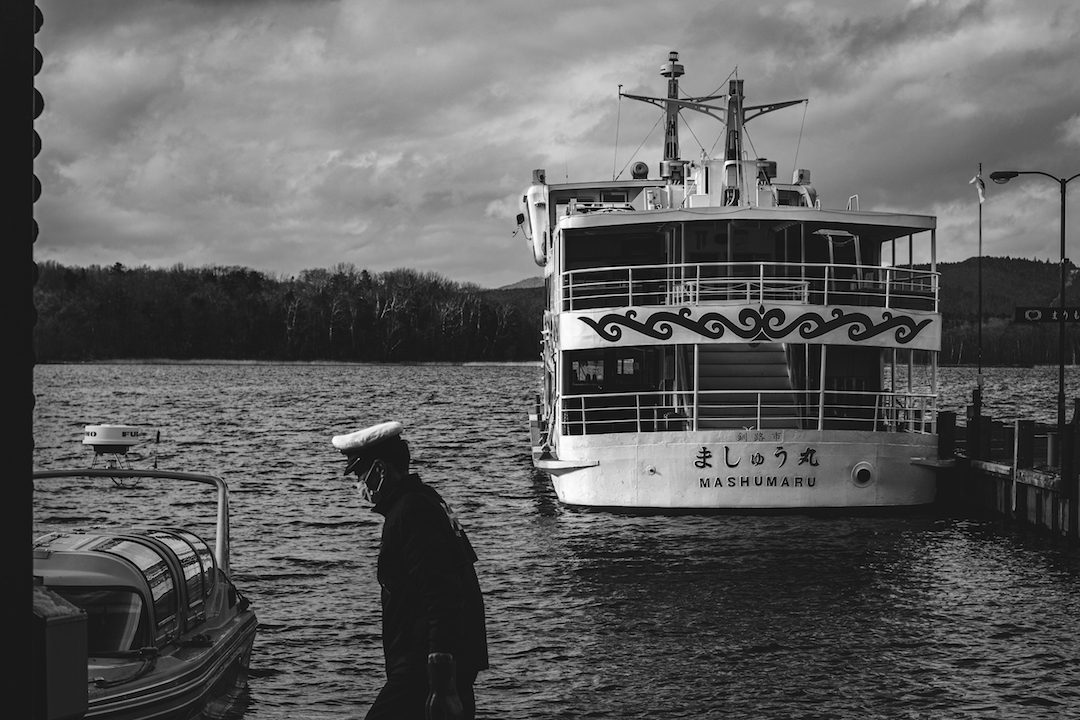
An image Randall captured in Japan. (Submitted photo)

‘I want to see more’

Randall isn’t sure when he’ll be able to come home. JET participants have the opportunity to stay up to five years, and Randall plans to stay the entire time.

“I will more than likely get the vaccine here sometime in the summer,” Randall said. “But there’s no infrastructure setup or plans that have been announced for how they’re going to distribute the vaccine. So that remains to be seen. I expect next year to be honest.

“Hopefully I’ll be able to travel more around the country. I was able to see a lot before the coronavirus happened and I want to see more.”

To learn more

News Feed

View All News
APSU's Full Spectrum Learning marks 10 years with Autism Awareness Week

Austin Peay State University's Full Spectrum Learning program celebrates its 10th anniversary with Autism Awareness Week events April 13-18. Free and open to the public, the week features workshops, a student showcase, a forum, and an anniversary celebration honoring a decade of supporting neurodiverse students.

Read More
alpha-lambda-delta-2026
APSU inducts largest first-year class into Alpha Lambda Delta in over a decade

Austin Peay State University's chapter of the Alpha Lambda Delta Honor Society recently inducted 143 first-year students during a ceremony in Clement Auditorium, marking the largest cohort since 2014.

Read More
welcome-center-board-photo
APSU Board of Trustees to meet April 10

The Austin Peay State University Board of Trustees will host its quarterly meetings on Friday, April 10, at the O'Malley Family Welcome Center, beginning with committee sessions at 8:15 a.m. followed by a full board meeting.

Read More