


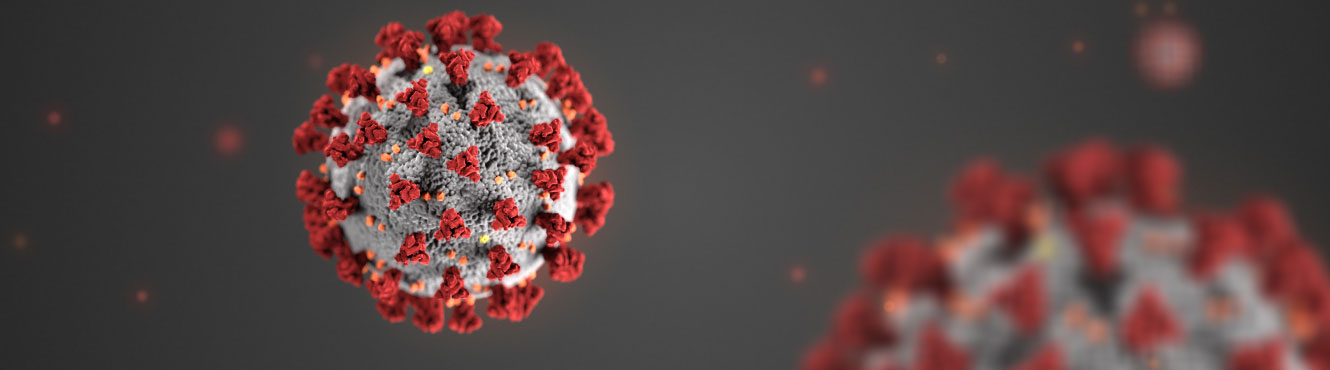
Austin Peay to host special lecture on coronavirus
(Published Feb. 26, 2020)
As of Tuesday, Feb. 25, the COVID-19 coronavirus outbreak has infected about 80,000 people worldwide and killed 2,711.
Officials first detected the new virus – named SARS-CoV-2 – in Wuhan City, China, late last year, and it has spread to 37 countries. The Centers for Disease Control and Prevention (CDC) on Tuesday warned Americans to begin preparations for clusters of infection in the United States.
Austin Peay State University will host a special lecture at 5:30 p.m. Tuesday, March 3, so area residents can learn more about the coronavirus outbreak, about similar viruses and about how outbreaks such as this one take root and spread.
Austin Peay medical laboratory sciences professor Jane Semler will deliver the presentation at the university’s monthly Science on Tap series at Clarksville’s Strawberry Alley Ale Works. The title of the talk is “Coronavirus: The Common Cold and its Sinister Cousins.”
‘What makes some coronaviruses more sinister?’

Coronaviruses are common and infect humans and other animals, according to the CDC. Common human varieties cause mild and moderate upper-respiratory tract illnesses such as the common cold.
“Coronaviruses do cause the common cold, it’s a lower percentage than the rhinoviruses, which is the most common cause of the common cold, but 15-30% are due to coronaviruses,” Semler said.
But the coronavirus that causes our colds should not be confused with the coronavirus that’s dominating the news, the CDC warns.
“With the common cold, you have sneezing, runny nose, you feel a little tired, maybe a little fever, a sore throat,” Semler said. “What’s different about this coronavirus infection? Well, people always have a fever, they have a cough. It progresses rapidly to shortness of breath. They have severe pneumonia, and it certainly can be fatal.”
During her lecture, Semler will discuss how the coronavirus and its cousins – such as the 2003 SARS outbreak that killed 774 people and the 2012 MERS outbreak that killed 858 people – enter cells and replicate.
“What makes some coronaviruses more sinister than others?” she said.

From wild animals to humans
She’ll also discuss how such viruses originate in wild animals before jumping to domesticated animals and humans and how the viruses spread from human to human, causing outbreaks, epidemics and pandemics (in this case mostly via coughs and sneezes).
“It was reported that 66% of the victims in the initial cases had contact with the Huanan Seafood Wholesale Market in Wuhan, China,” Semler said. “It seems that probably some wild animal that was being sold at that market is implicated.”
The CDC reports the current virus, the 2003 SARS virus and the 2012 MERS virus all originated in bats, for example.
Semler also will discuss how officials test for the virus. The Tennessee Department of Health laboratory has CDC-developed test kits for the virus, she said.
“If any new cases or suspected cases come about, the sample will be sent to Nashville, and they will perform the testing,” she said.
About Science on Tap
Austin Peay scientists explore a different topic the first Tuesday of every month at Science on Tap. Last month, Dr. Mollie Cashner explored the weird, wonderful world of animal sex.
Science on Tap is sponsored by the APSU College of STEM.
To learn more
- Read Boyd Health Service's tips on coronavirus at https://www.apsu.edu/news/february-2020-coronavirus-tips.php.
- Semler’s research interests are interprofessional teaching, clinical chemistry and laboratory management. She teaches medical laboratory science at APSU. For more about Semler, visit www.Apsu.edu/directory/faculty/semlerj.
- For more about the College of STEM, go to https://apsu.edu/costem.
- For more about the Department of Biology, go to www.apsu.edu/biology.
- To learn more about COVID-19 coronavirus, visit www.cdc.gov/coronavirus/2019-ncov.
News Feed
View All News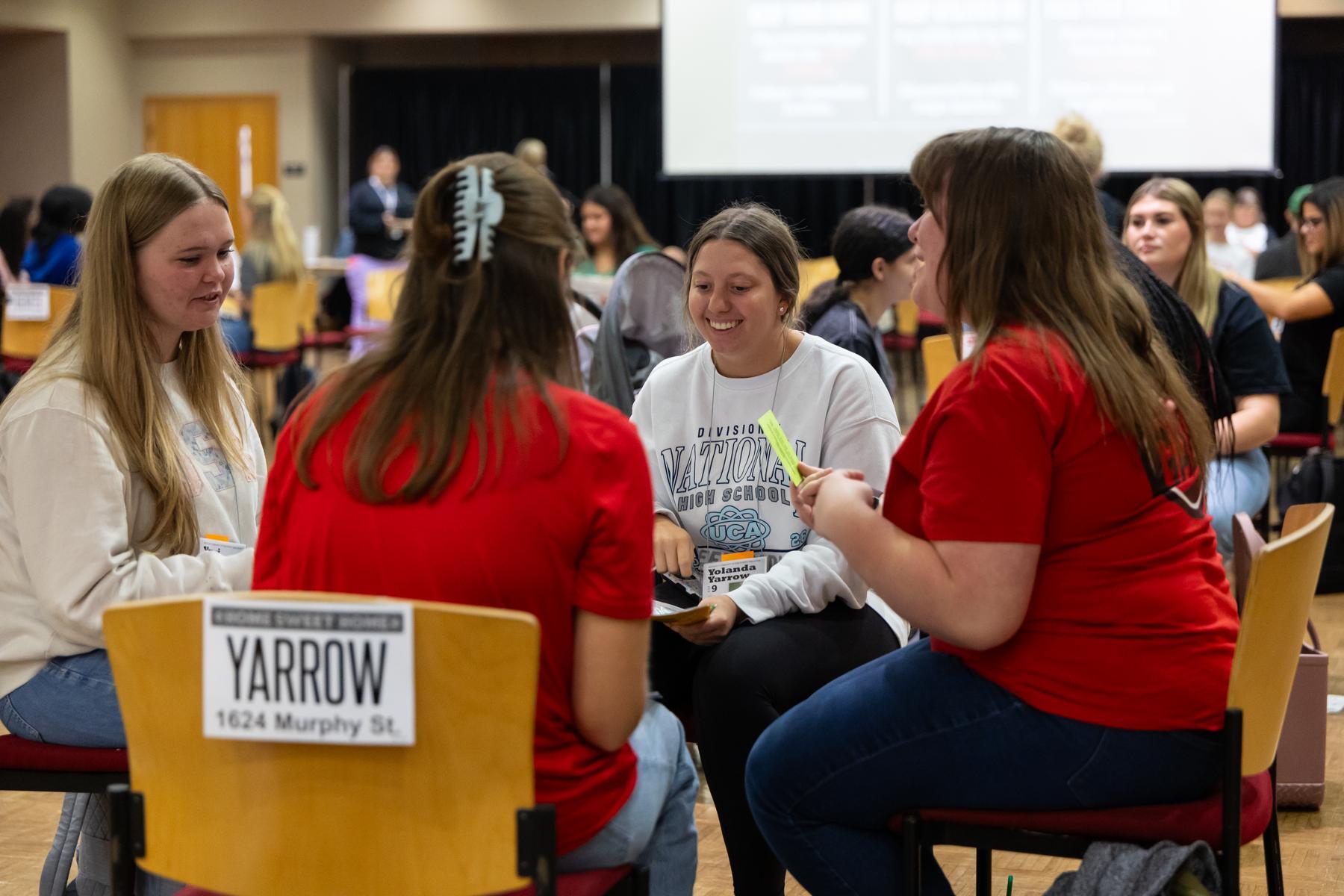
Nearly 150 Austin Peay State University students took on the roles of families experiencing financial hardship during an immersive poverty simulation on Oct. 5, exploring how limited resources can affect access to housing, transportation, healthcare, and more.
Read More
The exhibition will run from Oct. 30 to Jan. 7 at the Customs House, along with a Nov. 7 reception. It features the work of exemplary APSU students alongside faculty, showcasing the range, development, and skill within the Department of Art + Design.
Read More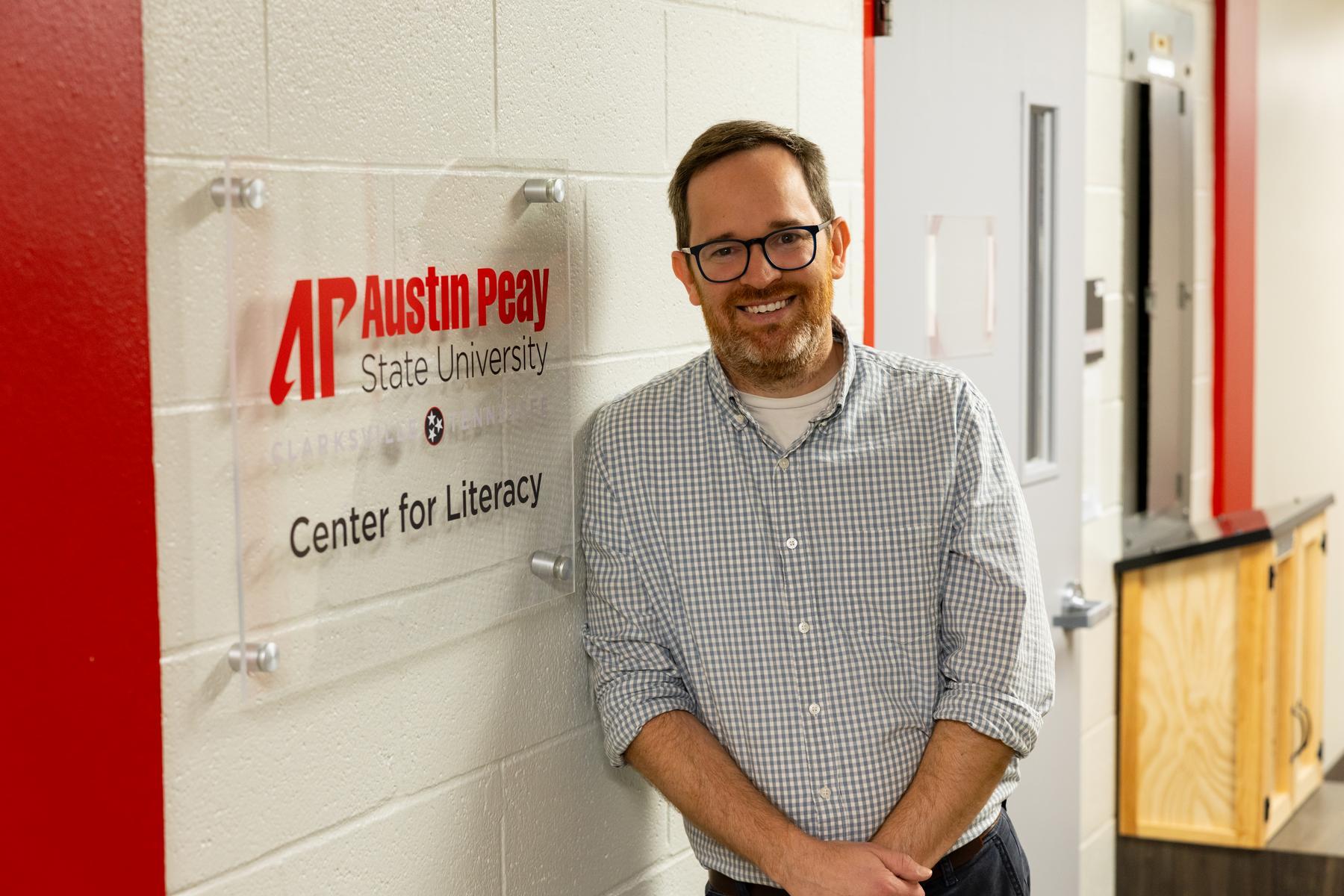
Under the direction of Dr. Zack Barnes, the Center for Literacy will serve as a hub for K-12 educators, teacher candidates, and researchers committed to improving student outcomes through proven instructional strategies.
Read More