


Austin Peay’s Dr. Jennifer Thompson wins national award for radiologic science education
By: Khatir Stewart and Colby Wilson November 10, 2025
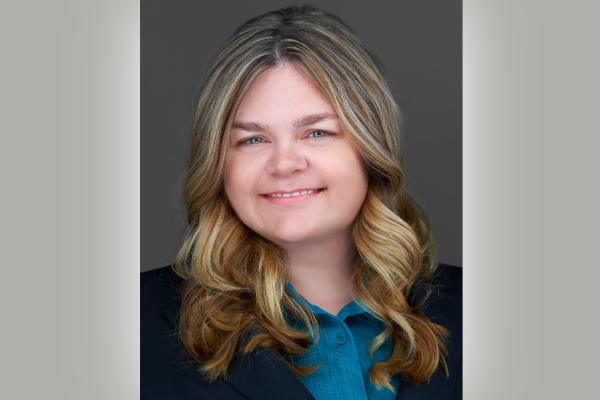
CLARKSVILLE, Tenn. — Dr. Jennifer Thompson, professor and program director for Austin Peay State University’s Radiologic Technology Department, has received the national Minnies Award for Most Effective Radiologic Science Educator.
The Minnies are presented by AuntMinnie.com, a leading online resource for radiology professionals. Each year, the site honors individuals and institutions that demonstrate excellence and innovation in medical imaging.
Dr. Thompson is recognized for her excellence in supporting student growth within and beyond the program. She strives to foster pride in radiologic science, as well as in her students’ futures. Her dedication reflects a deep commitment to the success and development of Austin Peay’s student body.
"I am deeply honored and humbled to be named Aunt Minnie's 2025 Most Effective Radiologic Sciences Educator," said Thompson. "As a registered radiologic technologist certified in radiography, this recognition is not just a personal milestone—it's a reflection of the incredible support system and community that surrounds me."
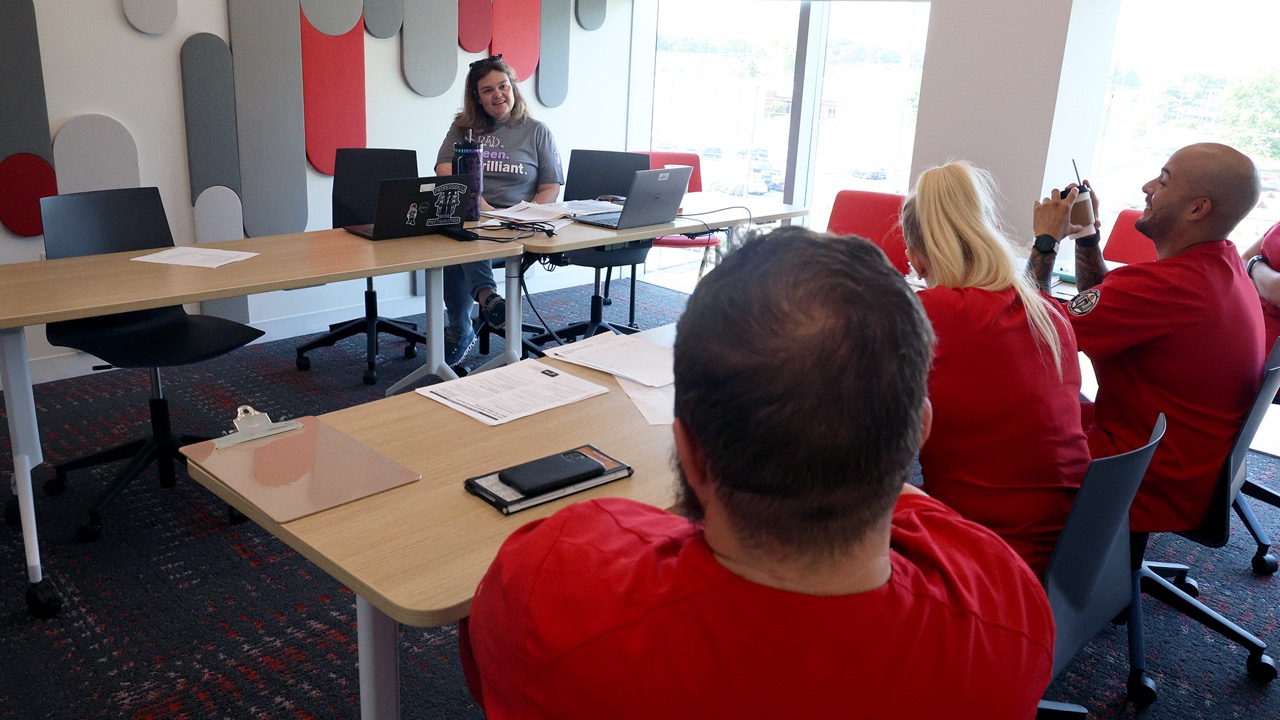
Thompson's national recognition reflects her excellence across multiple areas of the profession. Her advocacy work has earned significant recognition, including the American Registry of Radiologic Technologists Gold Standard Award and the ASRT (American Society of Radiologic Technologists) Advocacy Award.
Her professional leadership extends to the national level, where she was recognized at the ASRT Annual Governance and House of Delegates meeting and served as a speaker at the ASRT Educational Symposium.
Thompson contributes to the field through scholarship, recently receiving a Radiation Therapist Distinguished Author Award in Honor of Harold Silverman for "Exploring the Need for Clinical Preceptor Training in Radiation Therapy," co-authored with Austin Peay colleagues Tim Catalano and Drs. Heather Phillips and Eleanor Jator.
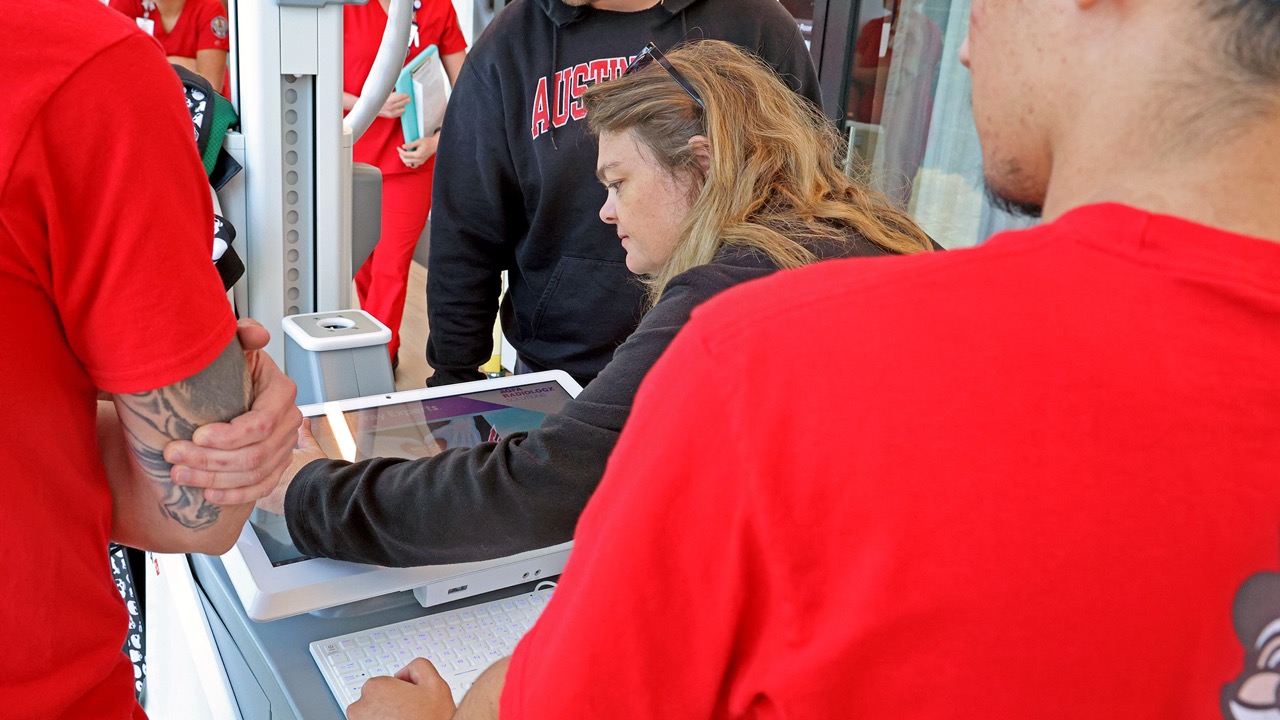
This year marks Dr. Thompson’s 17th year at Austin Peay and her seventh as program director. She has guided students through a carefully designed curriculum that prepares them for success at APSU and in their careers. Her ongoing excellence reflects deep pride in Austin Peay and its students.
“I am especially grateful to my department chair, Dr. Perry Scanlan, and the CoSTEM Dean, Dr. Karen Meisch,” Thompson said. “Their support, leadership, and commitment to excellence have enabled me to dedicate myself fully to the field of radiologic sciences education. I am proud to be part of an institution that values innovation, advocacy, and student success. This award is a celebration of all of us—educators, students, professionals, and advocates—working together to elevate the field of radiologic science. I will carry it forward with pride, purpose, and a continued dedication to excellence.”
About the Austin Peay College of STEM
The College of Science, Technology, Engineering and Mathematics (STEM) offers studies in agriculture, astronomy, aviation sciences, biology, chemistry, computer science, earth and environmental sciences, engineering physics, engineering technology, information technology, mathematics, medical laboratory sciences, radiologic sciences, and physics. Our discipline-based programs are student-centered and prepare students for responsible positions in research, industry, education, medicine, and government.
News Feed
View All News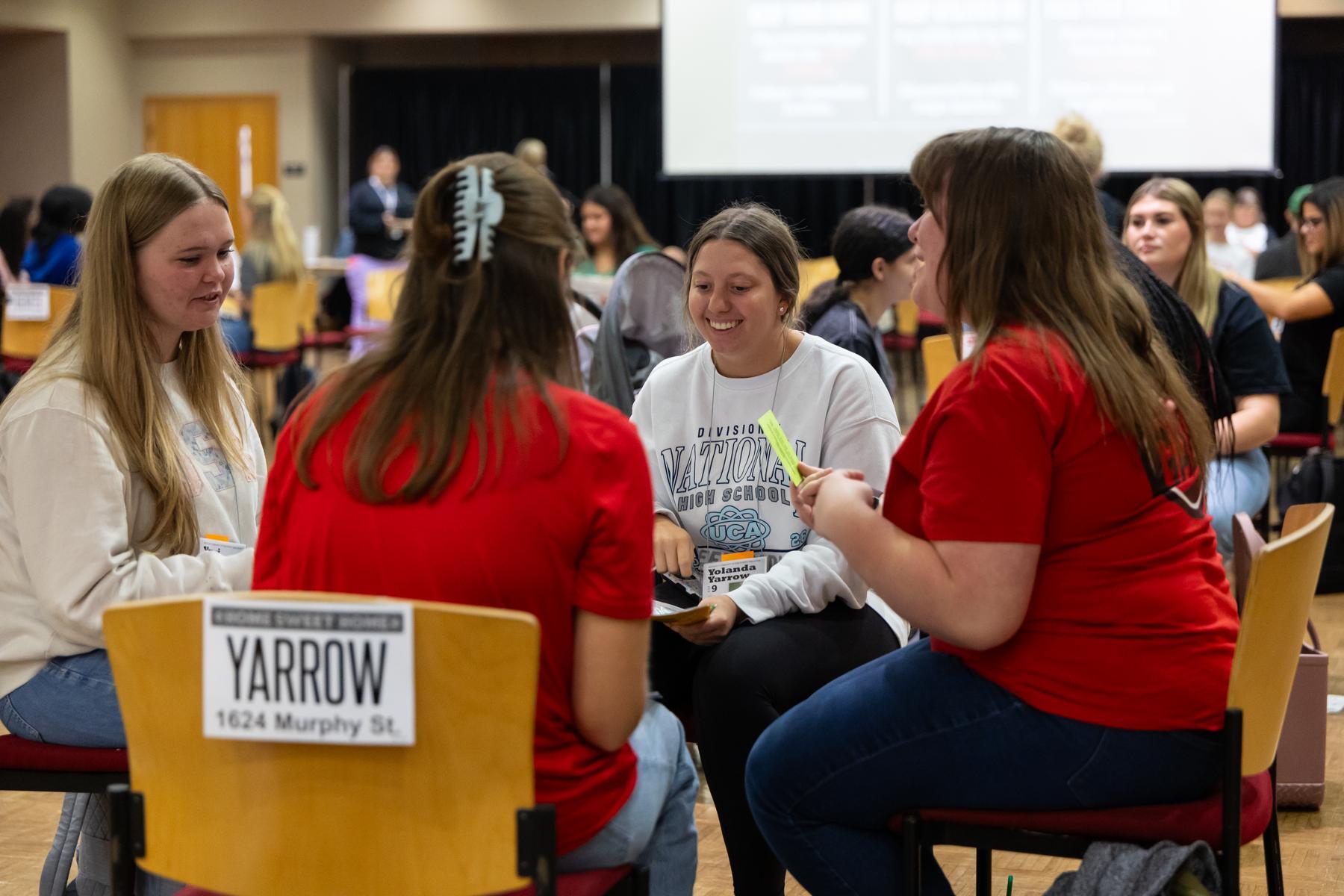
Nearly 150 Austin Peay State University students took on the roles of families experiencing financial hardship during an immersive poverty simulation on Oct. 5, exploring how limited resources can affect access to housing, transportation, healthcare, and more.
Read More
The exhibition will run from Oct. 30 to Jan. 7 at the Customs House, along with a Nov. 7 reception. It features the work of exemplary APSU students alongside faculty, showcasing the range, development, and skill within the Department of Art + Design.
Read More
Under the direction of Dr. Zack Barnes, the Center for Literacy will serve as a hub for K-12 educators, teacher candidates, and researchers committed to improving student outcomes through proven instructional strategies.
Read More