


APSU hosts Beloved Community Writing Retreat for Black faculty

CLARKSVILLE, Tenn. – In 2019, Forbes magazine published an article titled “Why Are There So Few Professors Of Color?,” which found that “the number of Black faculty members grew by only one-tenth of a percent” at the nation’s doctoral-level universities. This finding backed up data released by the National Center for Education Statistics, that “about 5.5 percent of full-time faculty members are Black.”
At Austin Peay State University, where about 20 percent of students are Black, the University’s African American Employee Council (AAEC) decided to take a more active role in ensuring APSU’s faculty more accurately reflect the University’s student body. To achieve this goal, the council proposed offering a special retreat for Black professors to pursue scholarly and creative activities. They called it The Beloved Community Writing Retreat.
“Dr. Martin Luther King, Jr. often spoke of his vision of a beloved community that actively works together toward shared goals,” Dr. Eva Gibson, AAEC chair and assistant professor of psychological science and counseling, said. “The beloved community concept emphasized a spirit of support and synergy.”
The AAEC presented their idea to Barry Jones, dean of the APSU College of Arts and Letters, and Tucker Brown, dean of the APSU College of Behavioral and Health Science. The two agreed to sponsor the retreat, so on May 17-20, four Black APSU faculty members gathered in Nashville to work and encourage each other.
Participants included:
- Dr. Jessica Fripp, associate professor of psychological science and counseling
- Dr. Eva Gibson, assistant professor of psychological science and counseling
- Dr. James M. Thompson, assistant professor of education
- Dr. Paula White, assistant professor of languages and literature
“It prioritized scholarship and research,” White said earlier this summer. “It’s so easy to get preoccupied with teaching, but we also have to do research. We were able to work together and encourage each other to pursue scholarship. The thought was, ‘Let’s hold each other accountable as teachers and scholars.’ It was helpful to have a writing community to work on articles and encourage publications.”
Marcus Hayes, chair of the Department of Theatre and Dance, facilitated the retreat, with each day including a time for goal setting, guest speakers, independent writing and accountability checks. Black tenured APSU professors, APSU Provost Maria Cronley and other university representatives also stopped by as guest speakers.
The evenings were dedicated to fellowship and community building, and the participants left the retreat with:
- five manuscripts in progress
- one grant submission
- two completed manuscripts
- two completed presentations for future conferences
- one manuscript proposal
“To be in a community is a form of care, moving away from learning in silos, to utilizing the operation of community to support common goals,” Dr. Jessica Fripp, AAEC vice chair and associate professor of psychological science and counseling, said. “Participants hope that this retreat may serve as a model for future courses of action for the university and potentially serve as a recruiting tool.”
For information on this or other AAEC programs, visit https://apsu.edu/aaec/programming.php.
News Feed
View All News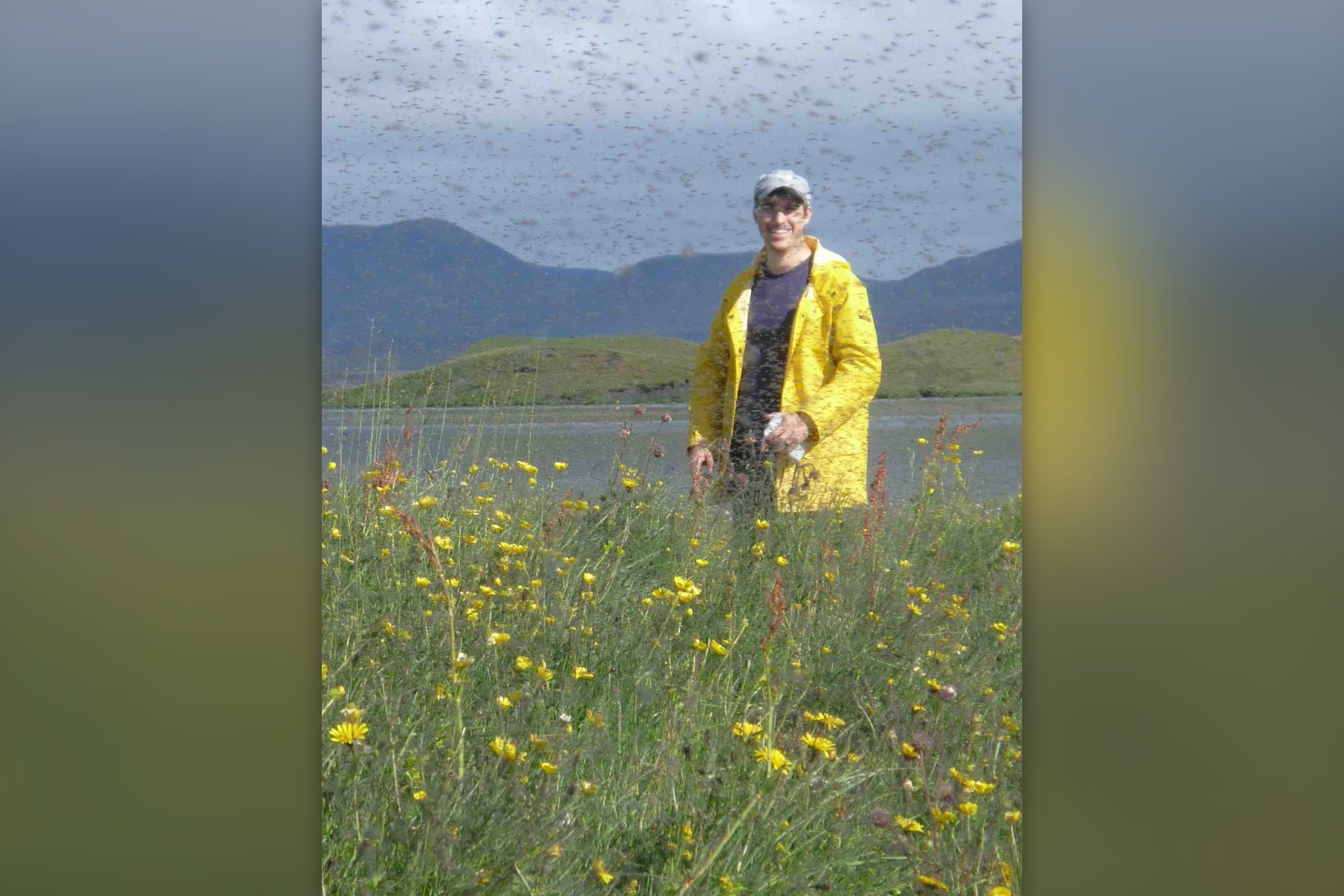
Dr. Jamie Botsch, assistant professor in the Department of Biology, will present on Lake Mývatn (which translates to midge lake) in northern Iceland, where tiny midges have a surprising effect on both the water and the land.
Read More
Austin Peay State University has announced six inductees into the APSU Governors Military Hall of Fame Class of 2026, to be honored during a reception and induction dinner on Friday, Nov. 6, in the Morgan University Center Ballroom.
Read More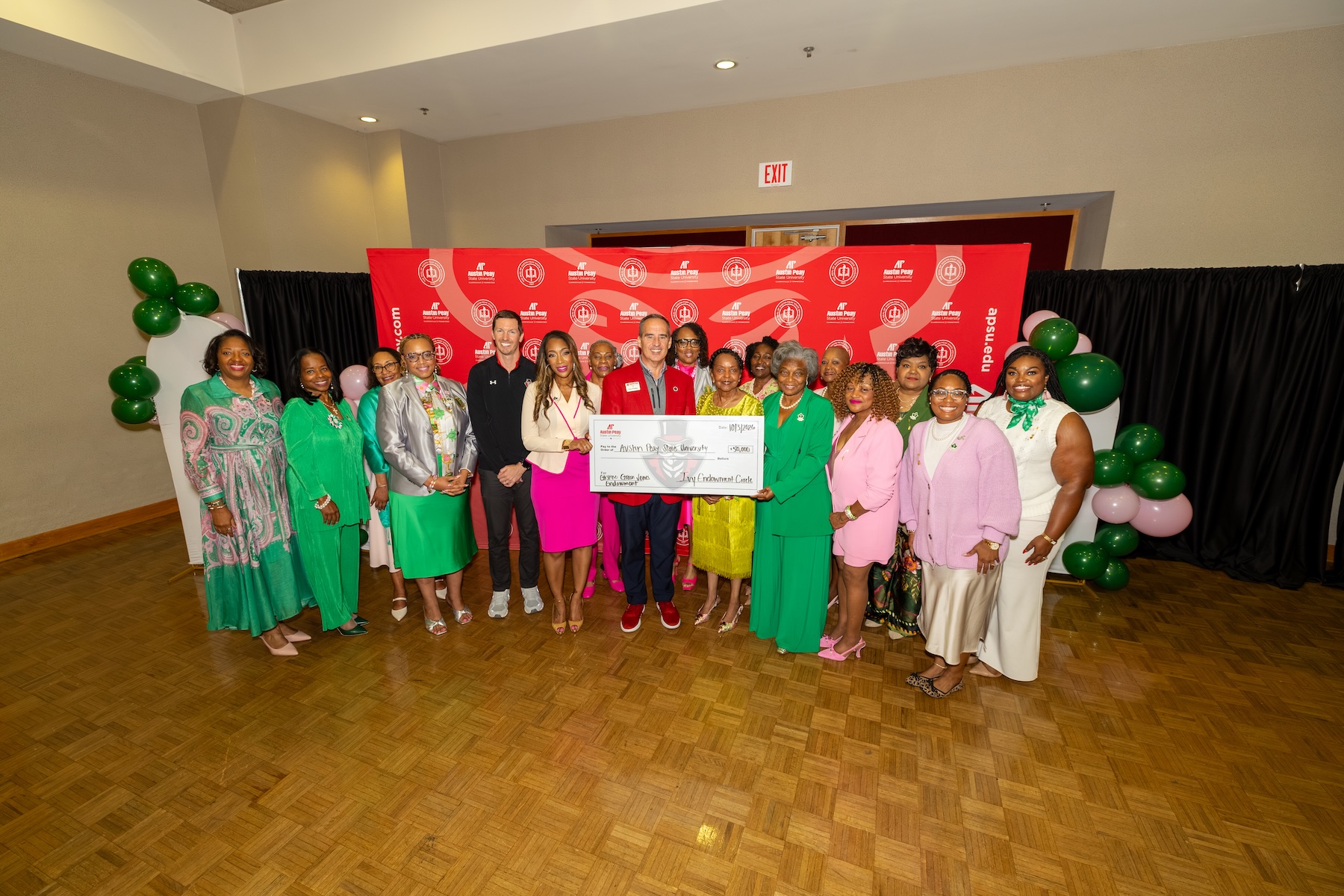
Austin Peay State University has received a generous gift from The Ivy Endowment Circle to establish the Glistine Green Jones Scholarship Endowment. The endowment honors Glistine Green Jones' legacy of mentorship, service, and leadership within Alpha Kappa Alpha Sorority, Incorporated® Kappa Rho Chapter.
Read More