


APSU psychologists to host ‘Built Not Born’ community talk on performance, skill development
By: Seth Riker February 17, 2026
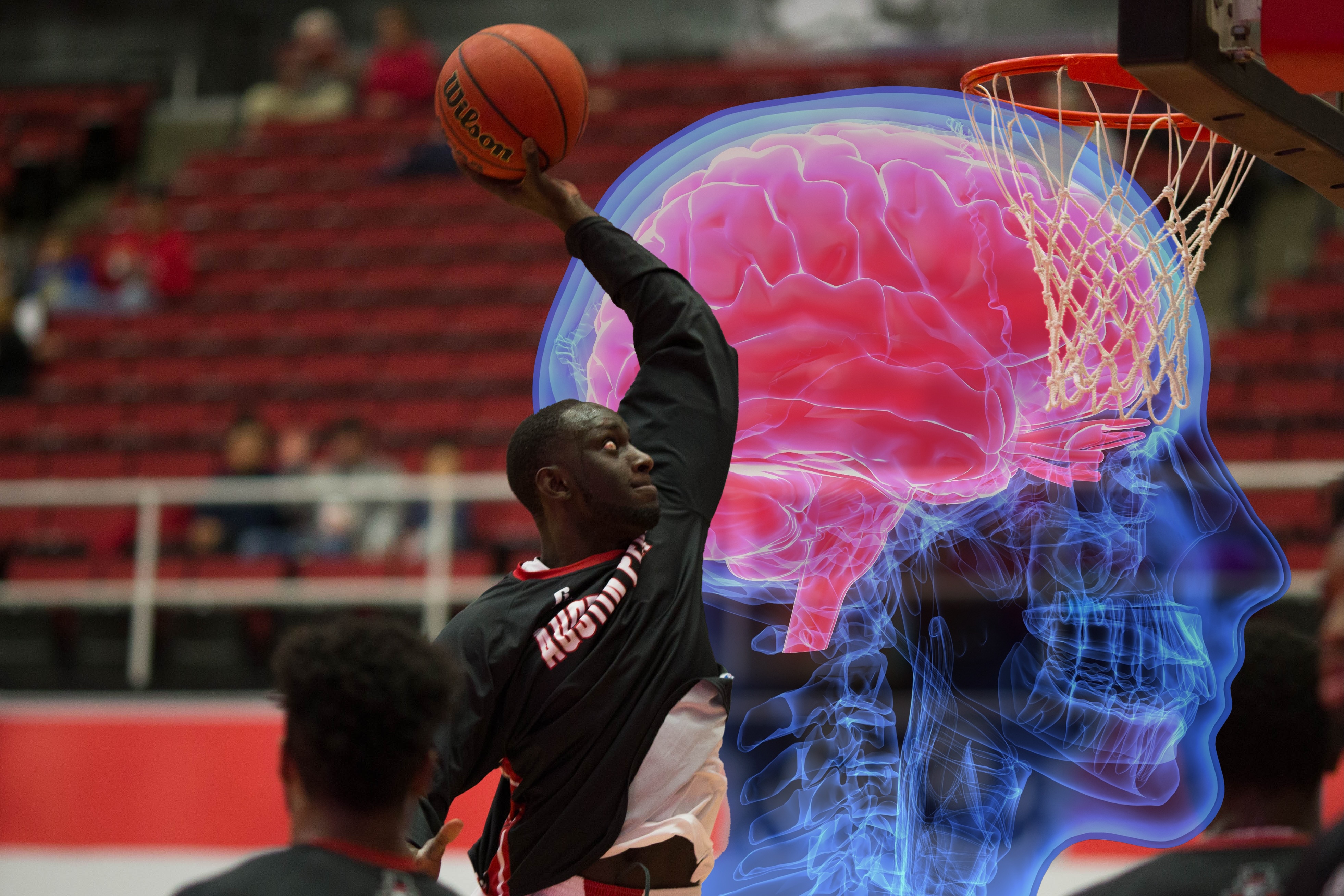
According to APSU’s Dr. Kevin Harris and Dr. Emily Pica, evidence-based strategies from performance psychology can help people build resilience, overcome plateaus, and sustain long-term growth.
CLARKSVILLE, Tenn. - What separates people who steadily improve from those who feel stuck isn’t talent. It’s how they train, recover, and respond to setbacks.
That’s the central idea behind “Built Not Born: The Power of Performance Psychology,” an upcoming talk hosted by the Austin Peay State University College of Behavioral and Health Sciences at 5:30 p.m. Thursday, Feb. 26, at Old Glory Distillery. The event is open to the public, with free food and a cash bar.
During the talk, performance psychology scholars Dr. Kevin Harris and Dr. Emily Pica will explore how everyday people—coaches, athletes, professionals, creatives, and community members—can apply evidence-based strategies to improve performance, build resilience, and sustain long-term growth.
Performance psychology examines how people develop skills over time, respond to pressure, and adapt when things don’t go as planned. Harris and Pica’s work challenges the belief that success is reserved for the “naturally gifted,” emphasizing deliberate effort, feedback, recovery, and perspective as critical drivers of improvement.
Their upcoming talk is intended for a broad audience, covering topics such as overcoming burnout, responding to rejection, breaking through plateaus, and rethinking progress.

Dr. Emily Pica and Dr. Kevin Harris, associate professors in APSU’s Department of Psychological Science and Counseling.
According to Pica, one common obstacle for driven people is the belief that rest signals weakness.
“Oftentimes when people hear the word ‘rest,’ they think of physical rest; mental rest is often neglected but just as important as physical rest,” she said. “Without rest, we can easily become burned out. People struggle with both types of rest because oftentimes it’s seen as a sign of weakness (physical rest) or putting off important deadlines (mental rest). However, rest is an adaptation to whatever training we are doing. Think of rest like maintenance on your car—you don’t wait for the engine to blow up before you change the oil.”
Rejection—whether in work, sport, or creative pursuits—is another universal experience Harris and Pica address head-on.
“Change your perspective on it,” Pica said. “Most people have faced rejection, and it’s commonplace across most domains. Instead of looking at it as a setback, view it as part of the process and a learning opportunity.”
Harris also points to mindset as a key factor in sustained improvement.
“The idea that one is ‘cut out for something,’ or not, was the prevailing idea for centuries,” he said. “There are a lot of angles for consideration, but my overarching advice would be to pay attention. It is meaningful when NBA player Steph Curry speaks about learning the techniques of the league’s leading scorer at the time and later becoming the leader himself. Similarly, the world-renowned screenwriter Jonathan Goyer felt that his initial screenplays were really bad … every successful person has worked hard on getting better, and you will not be an exception.”
For those who feel like they’re putting in the work but not seeing results, Harris encourages reflection rather than resignation.
“Prematurely giving up on a pursuit altogether is one mistake,” he said. “Sometimes we may just need to pause and assess what we are actually doing. As a reminder, a key component of improving performance is directing our efforts toward the appropriate activities. If we are keeping tabs on what we are doing, then we should be able to pinpoint what is working and what is not. This allows us to change our efforts accordingly based on the feedback.”
This event is part of the College of Behavioral and Health Sciences’ Brewing Awareness series, which brings timely, research-informed conversations into community spaces to spark learning, dialogue, and connection.
About the Department of Psychological Science and Counseling
Austin Peay State University’s Department of Psychological Science and Counseling prepares students to serve others through evidence-based practice, research, and advocacy. Part of the College of Behavioral and Health Sciences, the department offers a bachelor’s degree in psychological science, graduate degrees in counseling and industrial-organizational psychology, and one doctoral degree — Tennessee’s first and only accredited PsyD in counseling psychology. Learn more at apsu.edu/psychology.