APSU science education professor works to educate, ease fears during COVID-19 pandemic

CLARKSVILLE, Tenn. – The COVID-19 pandemic is not a relaxing school vacation. That’s what Dr. Philip Short, Austin Peay State University assistant professor of science education, said after a recent online meeting with fourth-grade students.
“These kids are concerned about it, and they have access to more information in this digital world and are aware of what’s going on,” he said. “They’re anxious, and there’s so much misinformation that they’re reading.”
Last week, a few teachers at Shwab Elementary School in Nashville noticed this anxiety spreading among their students, so they asked Short to help address their fears during a video-conferenced lecture. The students prepared questions, and the APSU professor took his time providing science-based answers.
‘It’s like a lock and key’
“It started with the question, ‘How was this virus created? How did it start?’” Short said. “Basically, I gave them a mini biology lesson at the fourth-grade level of what viruses are. We looked at the different shapes of viruses, and I had them breathe in deeply and breathe out, and we looked at the respiratory system.
“I told them this novel coronavirus seems to be causing more problems because of that corona shape and little spikes – it’s like a lock and key and that virus has the right key for the cells in the lower part of the lungs.”

After explaining how the virus works, Short conducted a small mathematics lesson on exponential growth, demonstrating how a relatively small number of coronavirus cases can suddenly expand across the entire world.
“I didn’t want to sugarcoat anything, but I didn’t want to sound apocalyptic either,” he said. “I just wanted to give them true and accurate information. I said, ‘I don’t want you to worry, but I want you to be smart.’”
Building a scientifically literate society
The students watched Short from their home computers and cell phones, but those devices have also overwhelmed these children with misinformation about COVID-19. Many of them cited conspiracy theories and inaccurate reports they’d read on the internet. Short was more than happy to clarify the situation for them.
“They asked if outside air temperature affected the coronavirus and that led to an interesting discussion,” he said. “I said it doesn’t work that way. We start seeing an increase of the flu in October, November and December, but not because viruses and bacteria like the cold. If that was the case, we wouldn’t put meat in the freezer. We see an increase because people congregate more inside during those cold months. It’s us getting closer together during the cold that causes it to spread.”
A student then asked when the virus would end. Short explained that COVID-19 won’t completely go away.
“It’s out there now,” he said. “We get flu vaccines every year, so what we can do is control it better, with vaccines and treatments.”
Video-conferencing technology makes it difficult to see how students react, but the teachers at Shwab said they saw a difference in their students after the presentation. The fear – a least a little of it – was gone. That’s why Short was so eager to speak with the fourth graders that morning.
“I work in science education, and a big part of that is to help people parse out accurate information from inaccurate,” he said. “We want a scientifically literate society that can better understand the information they are receiving in an era of information overload.”
A glimmer of hope
The APSU professor did leave the students with a bit of hope during this challenging time. Social distancing and stay-at-home executive orders are having an unintended effect on the earth.
“We’ve seen reports of improved air quality, and we’re not polluting as much,” Short said. “Not to misinterpret that the coronavirus, in any way, is a good thing, but it shows we can slow down a bit of our consumption and be a little more thoughtful about what we need and want. Maybe we can emerge with a different attitude about protecting ourselves and our planet.”
News Feed
View All News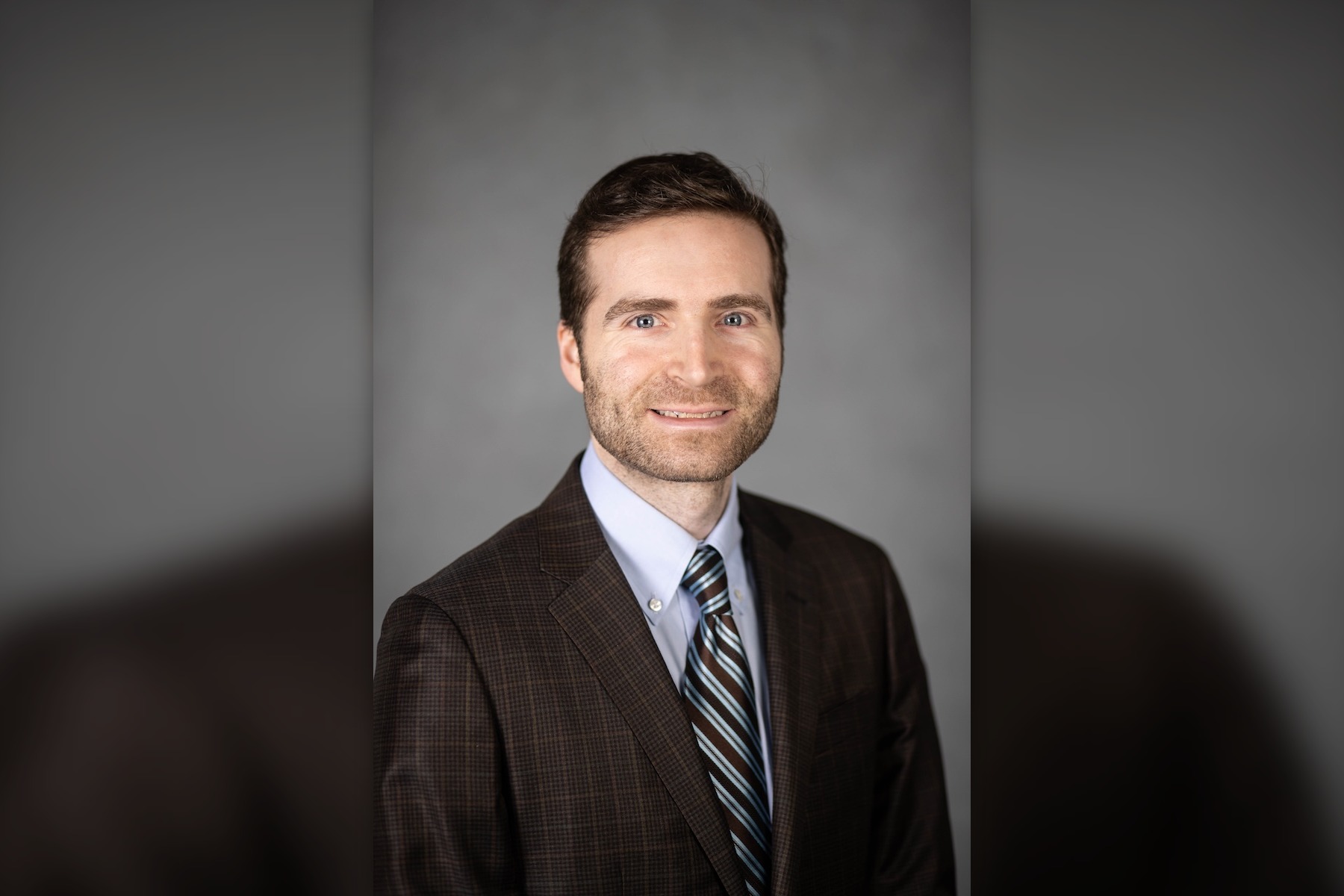
The 268-page book, "Teaching Labor History in the United States, 1850-2020," brings together scholars and educators to address what Attwood identifies as a significant gap in secondary education: the marginalization of labor history in standard social studies curricula for grades 6-12.
Read More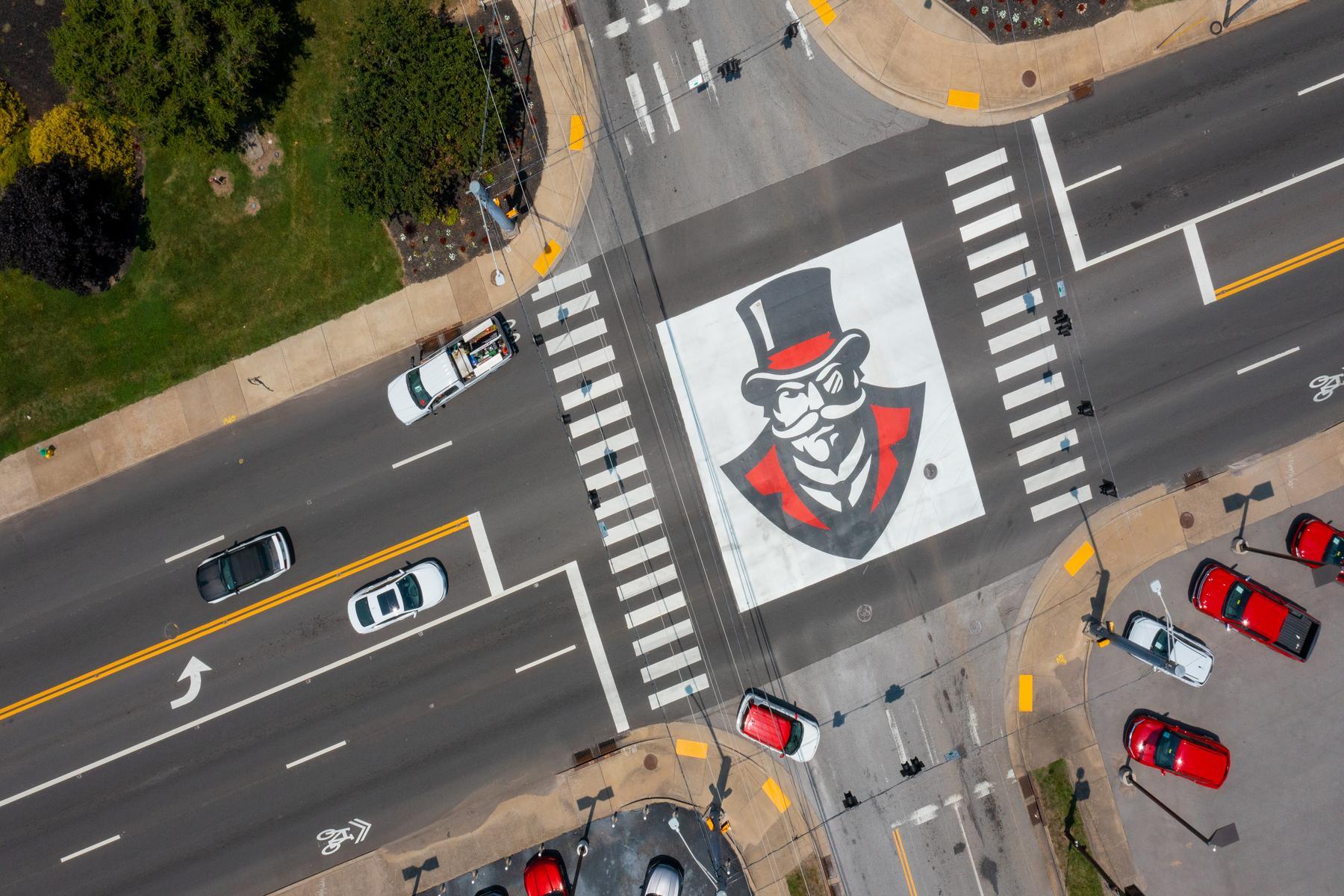
The effort will concentrate on areas with heavy foot traffic between classes, and the department says enforcement and visibility will remain ongoing priorities.
Read More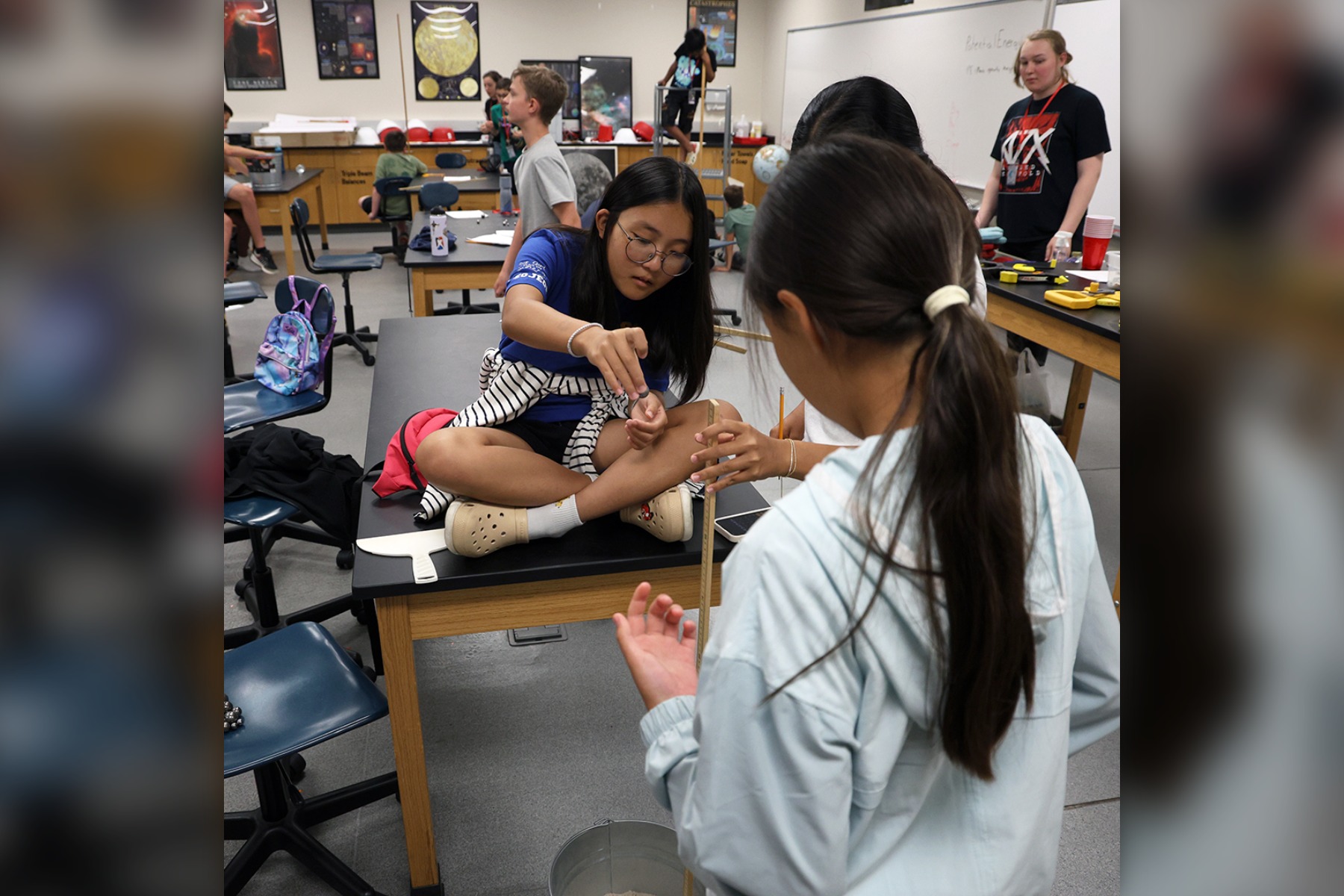
The College of STEM has opened registration for its 2026 summer camps, offering programs in space exploration, data science, robotics, and coding for students in multiple age groups.
Read More