Austin Peay professors adjust, find context while moving classes online during crisis
(Posted April 30, 2020)
When Austin Peay State University moved spring and summer classes online in response to the coronavirus pandemic, professors and students had to adapt.
Professors faced the challenge of adapting their lectures and labs to an online setting while also providing the best possible learning experience to their students.
Examples dot the “virtual” campus.

How do you teach a sewing class online?
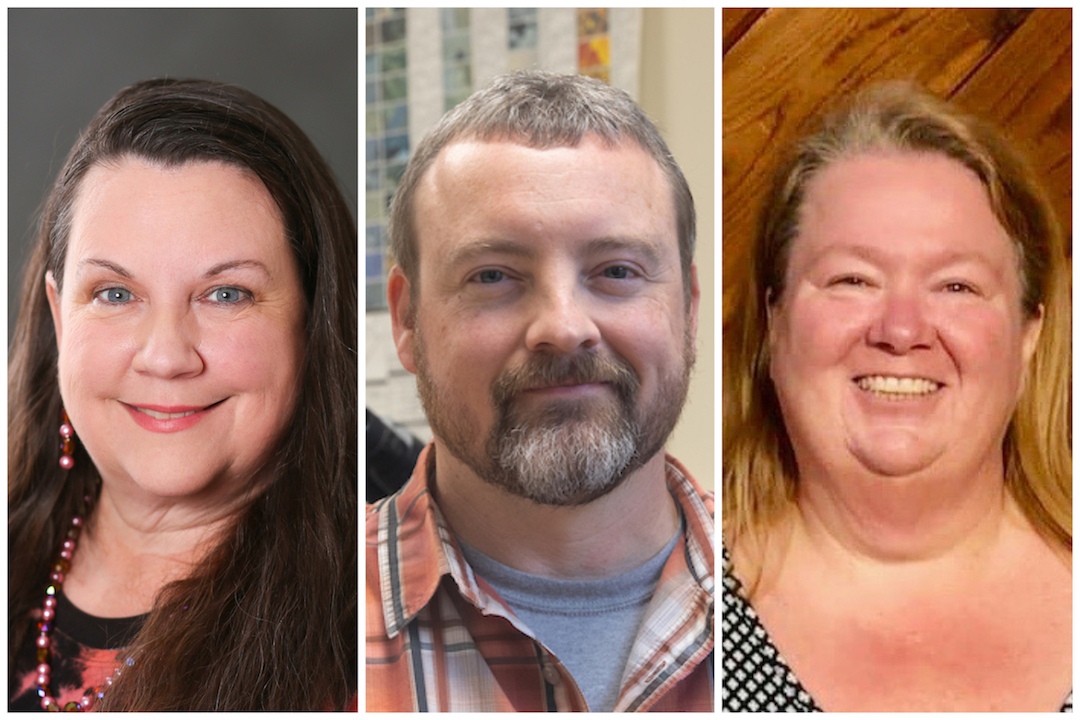
Costume design Professor Leni Dyer had to move her sewing and advanced makeup classes online.
“I sat down, and I really thought about the two classes,” she said. “On ground, if somebody’s machine was messing up, I could go over and explain it to them, I could sew something and show them how I did it. It’s really a hands-on kind of class.”
Dyer asked which of her students didn’t have sewing machines at home. Four didn’t, so she adapted the class to have everybody work on all the parts of the next sewing project that they could (get, tend and cut the patterns, for example). Those who had machines sewed, and those who didn’t worked on another project.
“I’ve offered to FaceTime with them or anything like Zoom to be able to help them if they’re really having trouble,” she said. “What (the pandemic) actually has done is made me much closer with those students. When they’re in class, they ask the questions, but this has been more personal.”
Learning from the crisis in real time
Communication arts Professor Dr. Tracy Nichols did something different with her graduate-level organizational communication class.
The class already was online, but she adapted it to focus on crisis communication. The class has focused on past crises such as the 2010 BP oil spill, 2017’s Hurricane Maria and the 2018 arrests of two black men at a Philadelphia Starbucks.
But the thread that has dominated the class has focused on the coronavirus pandemic.
“I always use real world examples and case studies in this class,” Nichols said. “I thought a focus on crisis communication might be cathartic and relevant.
“I care so much about my students, my colleagues, my university and my community.”

Bringing the real world to a virtual setting
Geosciences Professor Dr. Christopher Gentry also adapted his part of a team-taught natural hazards in the environment class to learn more about a recent disaster fresh in his students’ memories.
Gentry also had to take the class from the classroom to an online environment. While doing so, he invited Wylie Paxton – the lead fire effects monitor for the National Parks Service – to speak via Zoom to the class about the 2016 forest fires near Gatlinburg, Tennessee, that killed 14 people.
“My thought was to try to get someone to come and talk to the students about something that may be more near and dear to their lives here in Tennessee,” Gentry said.
Paxton spoke about not only fire ecology in the Appalachian region of Tennessee, he also shared the insights he learned from the 2016 fire.
“The things they learned from a management perspective, what their role was in helping to fight the fire and do post-fire monitoring,” Gentry added.
One of Gentry’s students, junior geosciences major Rachael Perkins, said she enjoyed learning from a scientist in a real-world setting.
“It was the most I’ve felt prepared to test or apply knowledge since the change-over, and I was thrilled with it,” Perkins said.

‘Inspiring to see students achieve their academic goals’
Computer sciences Professor Dr. Jiang Li had to move three of his five classes online after the pandemic hit.
That includes his graduate-level capstone system development class. He encouraged the students to keep up with their work and to schedule one-on-one Zoom meetings with him.
The meetings can last well into the night.
“I usually have to meet with students after putting the kids to sleep after 8:30 p.m., although I have done a few during the day,” Li said.
“It’s inspiring to see students making progress and their continued efforts to achieve their academic goal at Austin Peay,” he added. “I believe if they made it this far, they have the ability to succeed. I know they have their own family issues, but they are very focused.”
News Feed
View All News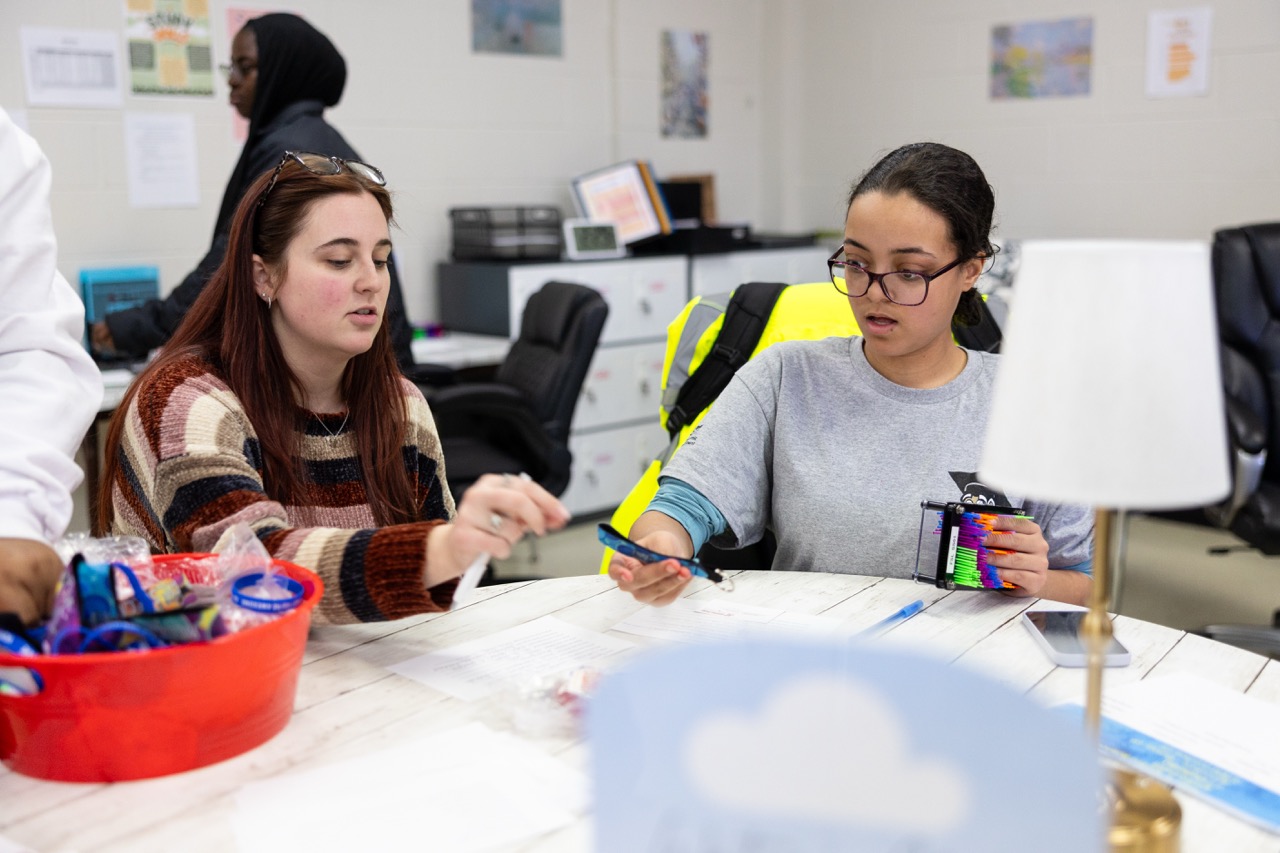
Austin Peay State University's Full Spectrum Learning program celebrates its 10th anniversary with Autism Awareness Week events April 13-18. Free and open to the public, the week features workshops, a student showcase, a forum, and an anniversary celebration honoring a decade of supporting neurodiverse students.
Read More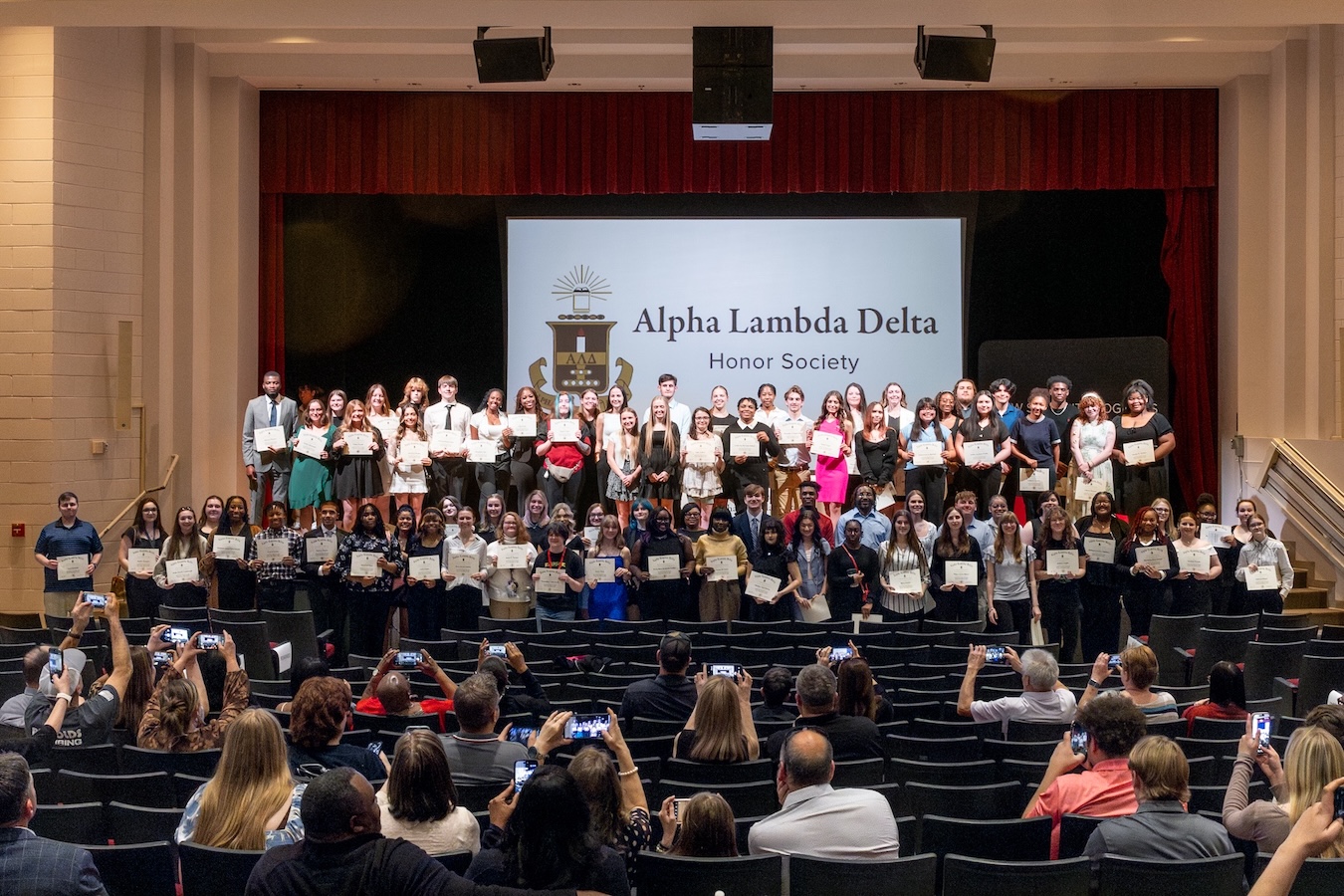
Austin Peay State University's chapter of the Alpha Lambda Delta Honor Society recently inducted 143 first-year students during a ceremony in Clement Auditorium, marking the largest cohort since 2014.
Read More
The Austin Peay State University Board of Trustees will host its quarterly meetings on Friday, April 10, at the O'Malley Family Welcome Center, beginning with committee sessions at 8:15 a.m. followed by a full board meeting.
Read More