


APSU geography professor uses Zoom, special visitor to rekindle classroom touch

(Posted April 28, 2020)
The students and professors in Austin Peay State University’s Department of Geosciences miss being together.
“We’re a pretty tight-knit department,” said Dr. Chris Gentry, a geography professor in the department. “We have a lot of students who are in clubs together, hang out together in lab spaces in our building.”
After APSU moved its spring and summer classes online in response to the coronavirus pandemic, those geosciences students had to adapt to a virtual environment.
“They miss out on the collegiality, the friendship of having students around them,” he continued. “They also miss out on shared learning. That’s a little bit more difficult in the online environment.”
During a class on April 16, Gentry helped bring a bit of that shared learning experience to the virtual setting. And the students reacted with appreciation.
‘Nice to experience being in a ‘classroom’ once again’
Gentry invited Wylie Paxton – the lead fire effects monitor for the National Parks Service – to speak via Zoom to a team-taught natural hazards class. Paxton spoke not only about fire ecology in the Appalachian region of Tennessee, he also shared the insights he learned from the 2016 fire near Gatlinburg, Tennessee, that killed 14 people.
“The class had a great conversation with Wylie about fire ecology in East Tennessee,” Gentry said. “The things (Paxton and his team) learned from a management perspective, what their role was in helping to fight the fire and do post-fire monitoring.
“I had two students email me afterwards and say that was a big help because it gave them an additional individual to talk to and ask questions about fire ecology outside of just reading a chapter in the book,” Gentry added.
Rachael Perkins, a junior geosciences major, was one of the students who joined the Zoom chat.
“It was a real treat to have interaction with classmates and a lecturer,” she said. “It was the most I’ve felt prepared to test or apply knowledge since the change-over, and I was thrilled for it.”
Melia Hema, a junior agriculture major, added: “My classmates and I were able to interact with each other and even had the ability to ask the professor questions. It was nice to experience being in a ‘classroom’ once again.”

‘Something more near and dear to their lives here in Tennessee’
Gentry said he saw an opportunity to connect with the students, primarily by bringing a real-world example – especially something real to them – into the lesson.
He’s a dendrochronologist and biogeographer who studies environmental history (including wildfire) by studying tree rings, and he could have taught the lesson himself. But his research focuses on an area near Yellowstone National Park.
“Most of the students haven’t been to Yellowstone,” Gentry said. “My thought was to try to get someone to come and talk to the students about something that may be more near and dear to their lives here in Tennessee.”
He reached out to the supervisory forester at the Great Smoky Mountains National Park to ask for help, and she put Gentry in contact with Paxton.
Finding balance after a sudden change
The students also need something near and dear to help them through the current crisis, one that’s directly disrupting their lives.
“My husband, a full-time student as well, and I were both laid off because of the pandemic,” Skylar Clemons, a junior geosciences major, said. “It has been very stressful trying to balance school and home life. At times it has been overwhelming adjusting to the sudden change.”
Perkins and Clemons said they appreciate the effort of their geosciences professors to help ease the burden.
“I can’t say enough about how wonderful the community of students in my department has been and how hard our instructors are working to help us succeed,” Perkins said.
Clemons agreed: “I’m very grateful that I’ve gotten to see how strong our community is during these trying times.”
A look at the future
Last December Gentry earned approval to work on converting the department’s GIS and remote-sensing courses to an online format.
“I’ve been looking at online-based software, looking at ways for students to be able to access the resources they need to try to limit barriers that would impact them from being able to learn.”
Gentry will work on the project through next spring.
To learn more
- For more about the Department of Geosciences at APSU, go to https://www.apsu.edu/geosciences/.
News Feed
View All News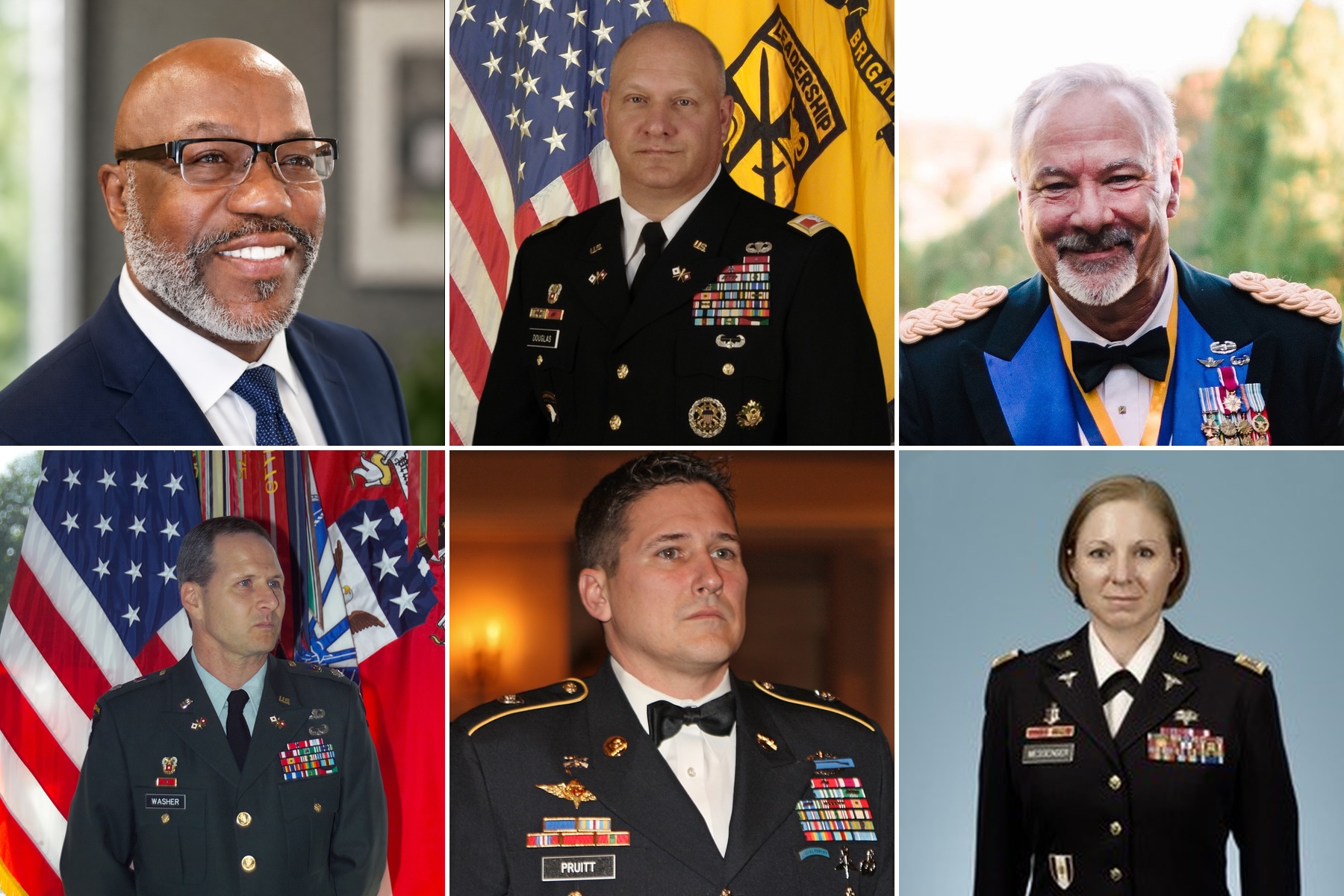
Austin Peay State University has announced six inductees into the APSU Governors Military Hall of Fame Class of 2026, to be honored during a reception and induction dinner on Friday, Nov. 6, in the Morgan University Center Ballroom.
Read More
Austin Peay State University has received a generous gift from The Ivy Endowment Circle to establish the Glistine Green Jones Scholarship Endowment. The endowment honors Glistine Green Jones' legacy of mentorship, service, and leadership within Alpha Kappa Alpha Sorority, Incorporated® Kappa Rho Chapter.
Read More
Austin Peay State University's Zone 3 Press, with support from the Center of Excellence for the Creative Arts, will host Newbery Honor-winning Lipan Apache author Darcie Little Badger for a free public reading and book signing at 7 p.m. on Nov. 5 in Art + Design Room 120.
Read More